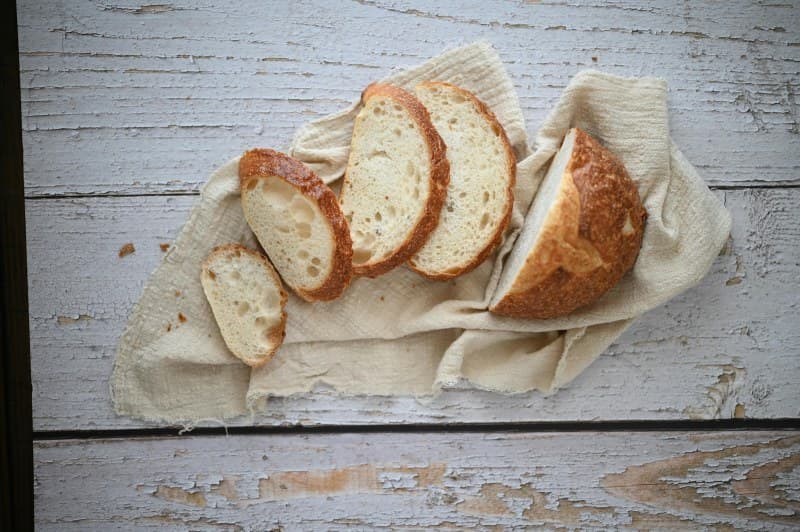
Last year, I tried my first sourdough loaf. I followed a recipe to the letter, but it came out dense and bland. I thought I’d failed until I learned the magic behind fermentation: those tiny wild yeast and bacteria in my starter were doing more than just making dough rise—they were creating flavor, texture, and that iconic tang. Let’s break down how it works, bust some myths, and share hacks to make your loaves sing.
What Is Sourdough Fermentation, Anyway?
Sourdough relies on a starter—a living mix of flour and water teeming with wild yeast and lactic acid bacteria. Unlike commercial yeast (which is a single strain), these microbes work slowly, breaking down flour’s starches into sugars. This process produces two key things: CO2 (which makes the dough rise) and lactic/acetic acids (which give sourdough its tangy kick).
Fermentation happens in three key stages—each with a unique role in your loaf’s final texture and flavor. Here’s how they stack up:
| Stage | Purpose | Time Frame | Key Outcome |
|---|---|---|---|
| Pre-Ferment | Activate starter and build flavor | 12-24 hours | Tangy, active starter ready for dough |
| Bulk Ferment | Develop gluten and flavor | 4-12 hours (room temp) | Dough doubles in size, open crumb potential |
| Proofing | Final rise before baking | 1-2 hours (room temp) or 8-12 hours (fridge) | Dough holds shape, ready for oven |
5 Common Sourdough Myths (Debunked!)
- Myth 1: You need a special starter from a bakery. Nope! You can make your own starter at home with just flour, water, and patience. Wild yeast is everywhere—on your counter, in the air, even on flour itself.
- Myth 2: Starter must be fed every day. If you’re not baking regularly, store your starter in the fridge. Feed it once a week (equal parts flour and water) to keep it alive. For active baking, feed it 12-24 hours before use.
- Myth 3: Longer fermentation always means better flavor. Too long and your dough will over-ferment—resulting in a sour, gummy loaf. Aim for a balance: 8-12 hours of bulk ferment at room temp is ideal for most loaves.
- Myth 4: Sourdough is gluten-free. Sourdough uses wheat or rye flour, which contain gluten. While fermentation breaks down some gluten, it’s not safe for those with celiac disease.
- Myth 5: You can’t make sourdough in a cold kitchen. Cold slows fermentation, but it doesn’t stop it. Just extend the bulk ferment time (e.g., 12-24 hours instead of 8) or place your dough near a warm spot (like a radiator).
“The best things in life are worth waiting for.” — Unknown
This rings true for sourdough. Rushing fermentation skips the flavor development that makes sourdough unique. Patience lets the microbes do their work, turning simple flour and water into something extraordinary.
Flavor Hacks to Elevate Your Sourdough
Want to take your loaves to the next level? Try these easy hacks:
- Add 10% rye flour to your starter—rye has more sugars, which feed microbes and create a deeper, nuttier flavor.
- Use filtered water—chlorine in tap water can kill the wild yeast and bacteria in your starter.
- Let your dough ferment in the fridge overnight—cold fermentation slows the process, enhancing tang and complexity.
- Sprinkle seeds (sesame, poppy, or sunflower) during shaping—they add crunch and a pop of flavor.
- Bake in a Dutch oven—this traps steam, creating a crispy, golden crust.
Quick Q&A: Your Sourdough Questions Answered
Q: My starter is bubbly but not rising—what’s wrong?
A: It might be too cold. Move it to a warmer spot (around 75°F/24°C) and feed it again. If it still doesn’t rise, your starter might be dead—try making a new one.
Remember that first failed loaf I mentioned? After adjusting my bulk ferment time from 2 hours to 8 hours, the next loaf was light, tangy, and had that perfect open crumb. It was a game-changer! Sourdough is all about trial and error—don’t be afraid to experiment.
With a little patience and these tips, you’ll be baking delicious sourdough loaves that impress your friends and family. Happy baking!