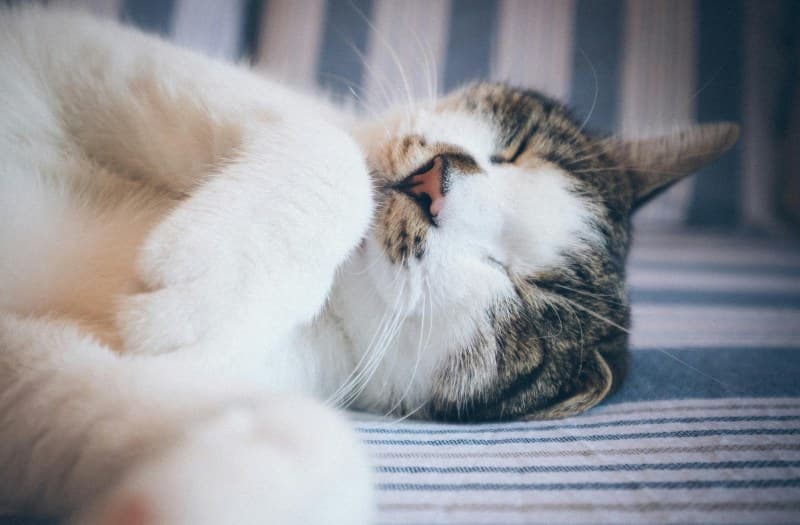
Let’s be honest—how many times have you skipped a midday nap because you thought it’d leave you tossing and turning at night? I used to do that. Last year, I pulled a late shift at work and felt drained the next day. I resisted napping, fearing it would mess up my sleep cycle, but by 8 PM I was so exhausted I crashed—only to wake up at 2 AM wide awake. Turns out, my fear was based on a myth.
Why Napping Doesn’t Have to Ruin Your Night
Research from the National Sleep Foundation shows that napping doesn’t inherently disrupt nighttime sleep. It all boils down to two factors: when you nap and how long you nap. Short naps (20-30 minutes) in the early afternoon can boost alertness without throwing off your circadian rhythm. But long naps (over an hour) or napping late in the day? Those are the culprits behind nighttime restlessness.
2 Key Napping Myths Debunked
Let’s break down the two most persistent myths about napping:
| Myth | Fact |
|---|---|
| All naps ruin nighttime sleep. | Only long (≥60 mins) or late-afternoon naps (after 3 PM) are likely to disrupt sleep. Short, early naps enhance focus without harm. |
| Napping makes you lazy. | Napping is a sign of self-awareness—recognizing when your body needs rest. Studies link short naps to better productivity and mood. |
A Classic Take on Rest
Hippocrates once said, “Sleep is the best medicine.” This rings true for napping too. A well-timed nap can be a quick reset for your body and mind, helping you tackle the rest of the day with more energy.
This quote reminds us that rest—whether nighttime sleep or a short nap—is essential for health, not a luxury.
Real-Life Example: Sarah’s Nap Win
Sarah, a 42-year-old teacher, used to skip naps because she thought they made her groggy and ruined her sleep. Then she tried a 25-minute nap every day at 1 PM. Within a week, she noticed she had more energy for her afternoon classes and fell asleep faster at night. “I used to stay up scrolling until 11 PM because I was tired but wired,” she says. “Now I’m in bed by 10 and sleep through the night.”
FAQ: Your Napping Questions Answered
Q: How long should I nap to avoid messing up my nighttime sleep?
A: Stick to 20-30 minutes. This length is short enough to prevent entering deep sleep (which causes grogginess) and won’t interfere with your circadian rhythm.
Q: Is it okay to nap if I have insomnia?
A: If you struggle with insomnia, skip napping altogether. If you must nap, keep it to 10 minutes and do it before 2 PM.
Quick Tips for Healthy Napping
- 💡 Nap early: Before 3 PM to avoid disrupting nighttime sleep.
- 💡 Keep it short: 20-30 minutes is ideal.
- 💡 Create a nap-friendly space: Dark, quiet, and cool—like a couch with a blanket.
Napping doesn’t have to be a guilty pleasure. When done right, it’s a simple way to boost your energy and well-being. So next time you feel that midday slump, don’t hesitate to take a short nap—your body will thank you.