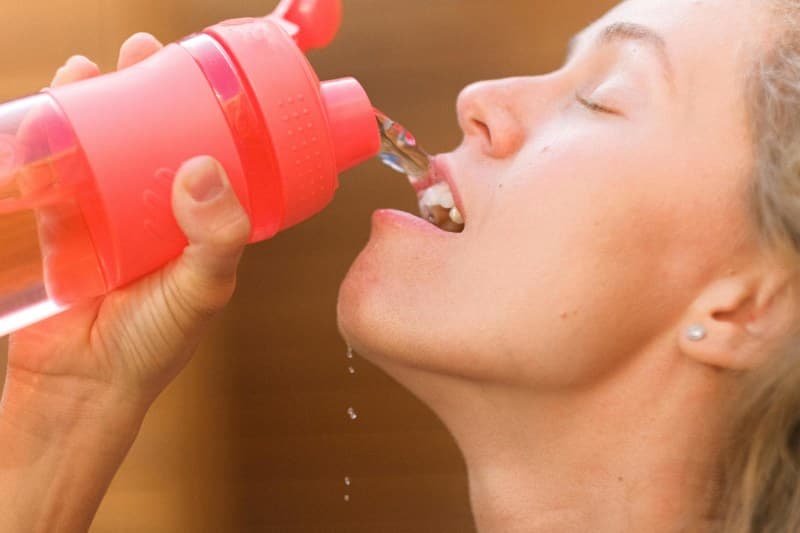
Ever found yourself yawning through a meeting or struggling to focus on a task, even after a full night’s sleep? Chances are, dehydration might be the culprit. Let’s take Sarah, a high school teacher, for example. She used to skip water breaks during her busy mornings, relying on coffee to power through. By mid-afternoon, she’d be so sluggish she could barely keep her eyes open. Then she started keeping a water bottle on her desk and sipping every hour. Within a week, her midday slump vanished—proof that small changes in hydration can make a big difference in energy.
The Two Key Mechanisms Linking Hydration to Energy
Hydration doesn’t just quench thirst—it’s critical for keeping your body running at peak energy. Here are the two main ways it impacts your energy levels:
| Mechanism | How It Works | Impact on Energy |
|---|---|---|
| Blood Volume & Oxygen Transport | Water makes up ~50-60% of your blood. When dehydrated, blood volume drops, reducing the amount of oxygen your heart can pump to your muscles and brain. | Less oxygen means your cells can’t produce as much ATP (the body’s energy currency), leading to fatigue and brain fog. |
| Electrolyte Balance & Nerve Function | Water helps maintain electrolyte levels (like sodium and potassium) that regulate nerve impulses and muscle contractions. | Imbalanced electrolytes disrupt communication between your brain and body, causing weakness, cramping, and low energy. |
Common Myths About Hydration & Energy
Let’s bust some myths that might be holding you back from staying energized:
- Myth 1: Thirst is the first sign of dehydration.
Fact: By the time you feel thirsty, you’re already ~1-2% dehydrated—enough to start feeling fatigued. - Myth 2: Coffee dehydrates you so it’s bad for energy.
Fact: Moderate coffee intake (1-2 cups a day) doesn’t cause significant dehydration. Plus, the caffeine can boost energy temporarily—just pair it with a glass of water to balance things out. - Myth 3: You only need 8 glasses of water a day.
Fact: Your needs vary based on activity level, climate, and body size. A better rule: drink enough so your urine is pale yellow.
Practical Tips to Stay Hydrated for Steady Energy
Staying hydrated doesn’t have to be complicated. Try these easy tips:
- Keep a water bottle with you at all times—opt for a reusable one with markings to track your intake.
- Eat water-rich foods like watermelon, cucumber, or oranges (they’re ~90% water and add extra nutrients).
- Set reminders on your phone to sip water every hour—especially if you’re busy at work or school.
“Water is the driving force of all nature.” — Leonardo da Vinci
This classic quote reminds us that water is essential for every biological process, including energy production. Without enough of it, our bodies can’t function at their best.
FAQ: Your Hydration & Energy Questions Answered
Q: How quickly can rehydrating boost my energy?
A: For mild dehydration, drinking 1-2 glasses of water can lead to noticeable improvements in energy within 15-30 minutes. This is because your blood volume and electrolyte levels start to normalize, allowing oxygen and nutrients to flow more efficiently to your cells.
Whether you’re a student, professional, or busy parent, paying attention to your hydration is one of the simplest ways to keep your energy levels steady. So grab that water bottle and take a sip—your body will thank you!