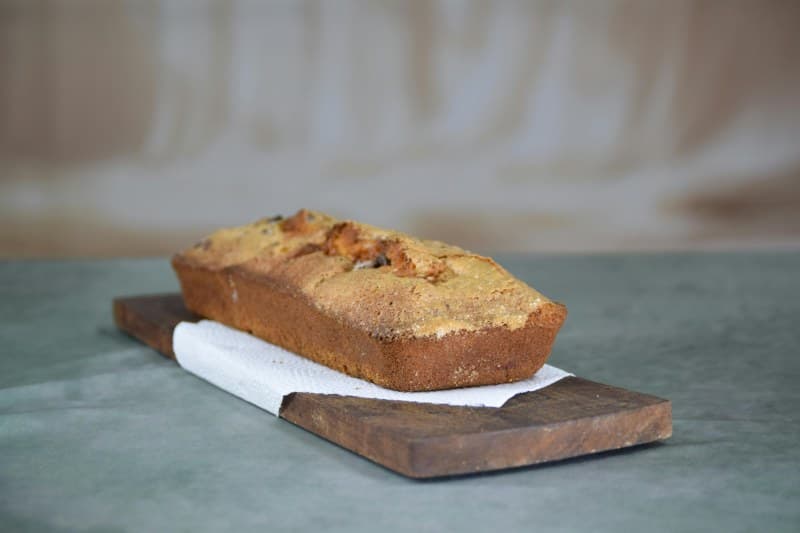
Last month, my cousin tried baking her first sourdough loaf. She measured every ingredient carefully, kneaded until her arms ached, and left it to rise for two hours—only to find it still flat as a pancake. She texted me, frustrated: “Why won’t it rise?” If you’ve ever faced this, you’re not alone. Homemade bread rising issues are common, but most have simple fixes.
5 Key Reasons Your Bread Isn’t Rising (And How to Fix Them)
1. Yeast That’s Dead or Inactive 🍞
Yeast is the magic behind bread rising—it feeds on sugar to produce CO2 gas, which makes dough expand. If your yeast is expired or not activated properly, it won’t do its job. Fix: Check the expiration date first. To test active dry yeast, mix it with warm water (105–110°F) and a pinch of sugar. If it doesn’t bubble and foam within 5 minutes, it’s dead—toss it and use fresh yeast.
2. Too Cold or Too Hot Dough Environment 💡
Yeast thrives in warm, consistent temperatures (75–85°F). A drafty kitchen or cold counter slows yeast growth to a crawl, while temperatures over 120°F kill it entirely. Fix: Let your dough rise in a warm spot—like inside an oven with the light on (no heat!), wrapped in a damp towel near a radiator, or in a microwave with a cup of hot water (closed, no power).
3. Not Enough Time to Rise ⏳
Rushing the rise is a beginner’s mistake. Yeast needs time to multiply and produce enough gas to lift the dough. Skipping or cutting short the rise time leads to dense, flat bread. Fix: Follow the recipe’s recommended rise time. For deeper flavor and better rise, try a slow fridge rise (8–12 hours) instead of a quick counter rise.
4. Over-Kneading or Under-Kneading the Dough 👐
Gluten is the structure that holds the CO2 gas in dough. Under-kneading means gluten isn’t fully developed—so the dough can’t trap gas. Over-kneading breaks down gluten, causing the dough to collapse. Fix: Knead until the dough is smooth, elastic, and springs back when you press it with a finger (like the texture of a baby’s bottom).
5. Too Much Salt or Sugar 🧂
Salt slows yeast growth (which is good in moderation to control rise), but too much stops it entirely. Too much sugar can dehydrate yeast, making it inactive. Fix: Measure ingredients accurately—use a kitchen scale for precision. Most bread recipes call for 1–2 teaspoons of salt per loaf.
Choosing the right yeast can also prevent rising issues. Here’s a quick comparison:
| Yeast Type | Activation Need | Best For | Shelf Life |
|---|---|---|---|
| Active Dry Yeast | Yes (warm water + sugar) | Loaves, pizza dough | 6 months (pantry) |
| Instant Yeast | No (mix directly with flour) | Quick breads, rolls | 1 year (pantry) |
| Fresh Yeast | Yes (crumbled in warm water) | Artisanal breads | 2 weeks (fridge) |
“The only real stumbling block is fear of failure. In cooking, you’ve got to have a what-the-hell attitude.” — Julia Child
This quote sums up bread baking perfectly. Even experienced bakers have flat loaves sometimes. Don’t let one failure stop you—adjust, experiment, and keep trying.
Common Q&A
Q: Can I save a loaf that didn’t rise at all?
A: If the dough didn’t rise at all, it’s likely due to dead yeast—you’ll need to start over. But if it rose a little but not enough, try shaping it again and letting it rise for another 30–60 minutes (if the yeast is still active). If that doesn’t work, turn it into flatbread, croutons, or breadcrumbs—no waste!
Baking bread is a mix of science and patience. By understanding these 5 reasons, you’ll be on your way to fluffy, crusty loaves that make your kitchen smell amazing. Remember: every bad batch is a lesson, and the next one might be your best yet.