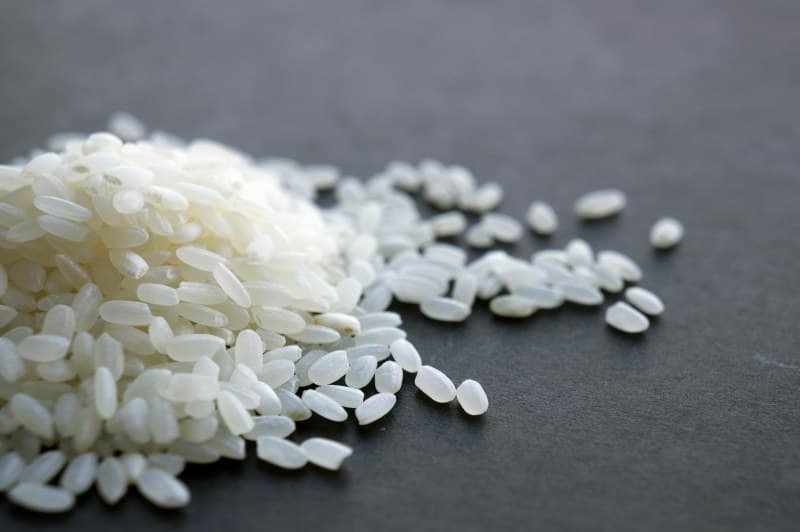
Last year, I tried to make homemade sushi rolls for my friend’s birthday. I followed a recipe using the absorption method—measured water carefully, simmered, and waited. But the rice came out sticky and clumpy, nothing like the light, separate grains I needed. That’s when I learned the two key ways to cook rice that completely change its texture: absorption and boiling. Let’s dive in.
The Two Rice Cooking Methods: What’s the Difference?
Most people know one way to cook rice—add water, simmer, and wait. But absorption and boiling are like two sides of the same coin, each designed for specific dishes.
Absorption Method
This is the go-to for many: add a precise water ratio (1:1.5 for white rice), boil, reduce heat, and let it absorb all water. The result? Soft, tender grains that stick slightly—perfect for biryani or risotto.
Boiling Method
Think pasta: boil a large pot of water, add rice, cook until tender, then drain excess. Grains are separate and fluffy—ideal for stir-fries, sushi, or plain rice with curries.
Let’s break down how these methods stack up:
| Method | Texture | Best For | Prep Time | Pros | Cons |
|---|---|---|---|---|---|
| Absorption | Soft, slightly sticky | Biryani, risotto, pilaf | 20-25 mins | No draining; retains nutrients | Easy to overcook; precise water ratio needed |
| Boiling | Fluffy, separate grains | Sushi, stir-fry, fried rice | 15-20 mins | Hard to overcook; consistent texture | Draining loses some nutrients; uses more water |
"Rice is the foundation of a meal. It should be cooked with care, as it carries the flavor of all other dishes." — Masaharu Morimoto, renowned Japanese chef
Morimoto’s words ring true. For example, sticky absorption rice soaks up spicy curry sauce perfectly, while boiling rice holds its own in stir-fries where each grain needs to shine. After my sushi disaster, I tried boiling method: rinsed rice until water ran clear, boiled for 12 mins, drained, then mixed with vinegar, sugar, salt. The result? Fluffy grains that rolled into perfect sushi—my friend still asks for the recipe!
FAQ: Common Rice Cooking Questions
Q: Can I use boiling method for brown rice?
A: Yes! Brown rice takes longer (25-30 mins). Rinse first, boil until tender, drain, and rest 5 mins before serving.
Q: How do I know absorption rice is done?
A: Water should be fully absorbed, grains tender. If too dry, add a splash of water; if wet, simmer longer.
Pro Tips for Perfect Rice Every Time
- Absorption Method: Use a heavy-bottomed pot to prevent burning. Don’t lift the lid while cooking—steam loss ruins texture.
- Boiling Method: Rinse thoroughly to remove starch (prevents clumping). Use a fine-mesh strainer to drain without losing grains.
- For both: Let rice rest 5-10 mins after cooking—this settles grains and improves texture.
Whether you’re making cozy biryani or crisp stir-fry, choosing the right method is key. Next time in the kitchen, try both and see which works best for your dish. Happy cooking! 🍚