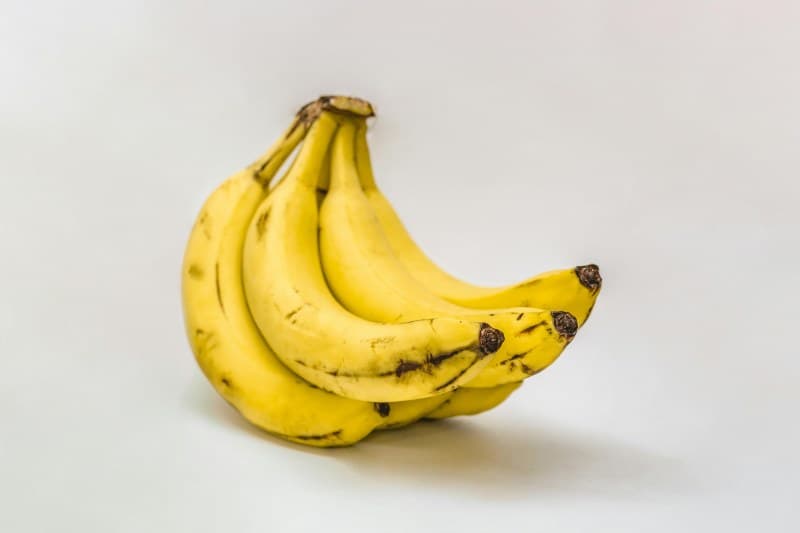
My friend Mia recently tried a viral DIY hack: she buried whole banana peels in the soil of her succulents, peace lilies, and cacti, thinking it’d give them a nutrient boost. A week later, her succulents were mushy, her cacti had brown spots, and her peace lily’s leaves were turning yellow. She was confused—why did the “magic” fertilizer backfire? Turns out, banana peels aren’t one-size-fits-all for plants.
What’s Actually in a Banana Peel for Plants?
Banana peels are rich in nutrients like potassium (K), phosphorus (P), calcium, and magnesium—all great for plant health. Potassium helps with flower and fruit production, phosphorus supports root growth, and calcium prevents blossom end rot in veggies. But here’s the catch: they lack nitrogen, a key nutrient for leafy growth, so they can’t replace a balanced fertilizer.
Which Plants Love Banana Peels (And Which Don’t)?
Not all plants react the same way to banana peels. Here’s a quick breakdown:
| Plant Type | Loves Banana Peels? | Reason |
|---|---|---|
| Peace Lily | Yes 🌿 | Needs potassium for blooms and healthy foliage. |
| Succulents | No 🌵 | Too much moisture from decomposing peels causes rot. |
| Tomato Plants | Yes 🍅 | Boosts fruit production and prevents blossom end rot. |
| Cacti | No 🌵 | Prefers dry soil—peels add excess moisture. |
| Spider Plant | Yes 🌿 | Supports new growth and strong roots. |
| Orchids | No 🌸 | Needs a balanced, low-nitrogen fertilizer—peels are too high in K/P. |
6 Banana Peel Plant Myths Debunked
Myth 1: Burying whole banana peels is the best way to use them
Truth: Whole peels decompose slowly (up to 6 months) and can attract pests like fruit flies. They also might not release nutrients evenly.
Myth 2: Banana peels work for all houseplants
Truth: As the table shows, succulents and cacti hate the extra moisture. Stick to plants that thrive in slightly moist soil.
Myth 3: You can put peels directly on the soil surface
Truth: Surface peels can mold, attract pests, or block water from reaching roots.
Myth 4: Banana peels replace all fertilizers
Truth: They lack nitrogen, so pair them with a nitrogen-rich fertilizer (like compost) for balanced nutrition.
Myth 5: Dried banana peels are useless
Truth: Dried peels can be ground into a powder and sprinkled on soil—they release nutrients faster and don’t attract pests.
Myth 6: Banana peels are safe for pets
Truth: Dogs or cats that eat peels might get digestive issues (like diarrhea) because peels are hard to digest.
A Classic Wisdom Check
“Waste not, want not.” — Thomas Fuller
This old proverb fits perfectly here. Banana peels are a great way to reduce kitchen waste, but only if you use them correctly. Wasting peels by burying them in the wrong plants is just as bad as throwing them away.
FAQ: Your Banana Peel Questions Answered
Q: How do I use banana peels for plants without harming them?
A: Try these methods: 1) Compost peels first (mix with other kitchen scraps to balance nutrients), 2) Blend peels with water to make a liquid fertilizer (strain before using), or 3) Dry peels and grind into a powder to sprinkle on soil. Always test on a small part of the plant first.
Practical Tips to Use Banana Peels Safely
- Compost peels with other materials (like coffee grounds or leaves) to avoid nutrient imbalances.
- For liquid fertilizer: Blend 1-2 peels with 1 liter of water, let sit for 24 hours, then strain and water plants.
- Don’t overdo it—use banana peel fertilizer once every 2-3 weeks.
Banana peels are a great DIY resource, but they’re not magic. By understanding which plants benefit and how to use them correctly, you can turn kitchen waste into plant power without the mishaps Mia faced.