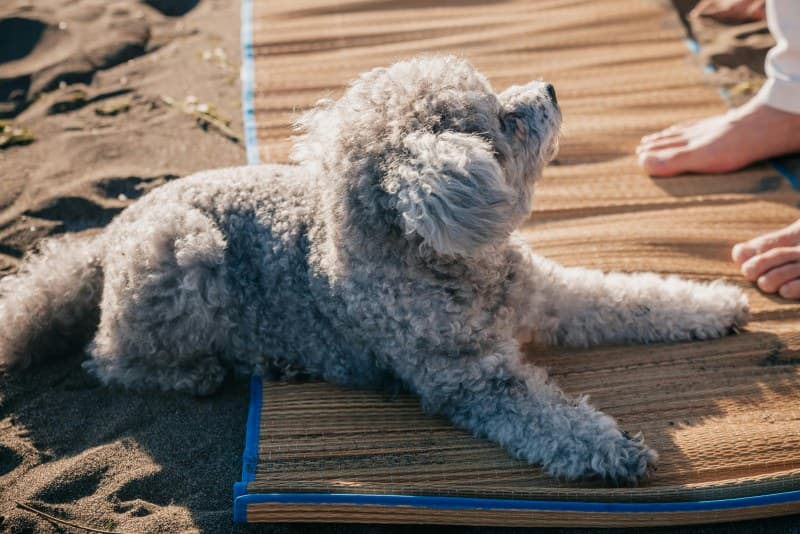
Last week, my golden retriever Max knocked over a mug of coffee on the living room hardwood. I reached for the store-bought cleaner, then froze—would the chemical residue hurt him if he licked the floor later? That’s when I decided to master simple, pet-safe floor cleaners I could whip up at home. Turns out, there are two go-to methods that work for most floors and keep furry friends safe.
The Two Go-To DIY Pet-Friendly Floor Cleaners
Vinegar & Water Blend (The Everyday Cleaner)
This is the workhorse of pet-safe cleaning. It’s gentle, cheap, and cuts through light dirt and grime without harsh chemicals. Here’s how to make it: mix 1 cup of white vinegar with 1 gallon of warm water. For a fresh scent, add 5-10 drops of pet-safe essential oil like lavender or lemon (skip tea tree oil—it’s toxic to pets).
Baking Soda & Castile Soap Mix (The Deep Cleaner)
When you need to tackle tough stains (like muddy paw prints or food spills), this mix is your friend. Combine 1 tablespoon of baking soda, 1 teaspoon of liquid castile soap (unscented or pet-safe scent), and 1 gallon of warm water. The baking soda lifts stains, while castile soap breaks down grease—all without harming your pet.
Let’s compare the two methods side by side:
| Method | Key Ingredients | Cost per Batch ($) | Pros | Cons | Best For |
|---|---|---|---|---|---|
| Vinegar & Water | White vinegar, warm water, optional essential oil | ~$0.50 | Cheap, easy to make, gentle on floors, cuts light grime | Strong vinegar smell (fades quickly), not great for heavy stains | Everyday cleaning on hardwood, tile, laminate |
| Baking Soda & Castile Soap | Baking soda, castile soap, warm water | ~$1.20 | Tackles tough stains, deodorizes, breaks down grease | Slightly more expensive, baking soda may scratch delicate floors | Deep cleaning on tile, linoleum, vinyl |
“An ounce of prevention is worth a pound of cure.” — Benjamin Franklin
This old saying rings true here. Using pet-safe cleaners prevents the risk of your pet ingesting harmful chemicals, which could lead to expensive vet visits. It’s a small effort that saves big in the long run.
FAQ: Common Questions About Pet-Friendly Floor Cleaners
Q: Can I use these cleaners on all floor types?
A: The vinegar blend works on most floors (hardwood, tile, laminate) as long as it’s diluted (1 cup vinegar to 1 gallon water). Avoid using the baking soda mix on hardwood or delicate surfaces—it’s slightly abrasive and could scratch. Always test a small hidden spot first!
Q: Are essential oils safe to add?
A: Stick to pet-safe oils like lavender, lemon, or chamomile. Skip tea tree, peppermint, or eucalyptus—these are toxic to dogs and cats. Use only a few drops to keep the scent mild.
Final Tips for Success
1. Always dry the floor after cleaning to prevent slips (especially for older pets).
2. Store your cleaners in labeled spray bottles for easy access.
3. For extra deodorizing, sprinkle a little baking soda on the floor before mopping (let it sit 5 minutes, then wipe up).
Making your own pet-friendly floor cleaners is simple, affordable, and gives you peace of mind. Next time Max makes a mess, I’ll reach for my vinegar blend—no more worrying about his curious tongue!