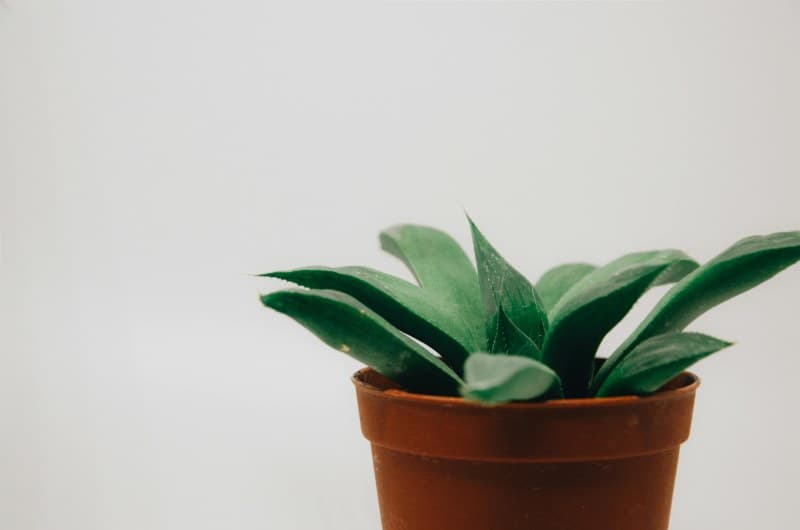
Last year, I tried to propagate my pothos by shoving a cutting into soil and forgetting about it. It wilted within a week. Then I learned there are two main ways to do it right—water and soil propagation. Both work, but each has its own perks and pitfalls. Let’s dive in.
Two Key Propagation Methods: Water vs Soil
Before you grab a cutting, it’s helpful to know which method fits your plant and lifestyle. Here’s a quick comparison:
| Method | Pros | Cons | Best For |
|---|---|---|---|
| Water Propagation | Easy to monitor root growth; low mess; no soil needed initially | Roots may be weaker when transferred to soil; risk of rot if water isn’t changed | Pothos, philodendron, spider plant |
| Soil Propagation | Roots adapt directly to soil; less shock when growing; no transfer needed | Hard to see root progress; risk of overwatering; requires well-draining soil | Succulents, cacti, ZZ plant |
Common Myths Debunked
Let’s clear up some misconceptions:
- Myth 1: All plants root better in water. Nope—succulents and cacti hate sitting in water; they’ll rot fast. Stick to soil for these.
- Myth 2: You need rooting hormone to succeed. While it helps speed things up, many plants (like pothos) root just fine without it. Save the hormone for tricky plants like lavender.
Step-by-Step for Each Method
Water Propagation
- Snip a 4-6 inch cutting from a healthy plant, making sure it has at least 2-3 leaves and a node (the bump where leaves grow).
- Remove leaves from the bottom 2 inches of the cutting.
- Place the cutting in a jar of room-temperature water, making sure the node is submerged (leaves stay above water).
- Change the water every 2-3 days to prevent rot.
- Once roots are 1-2 inches long, transfer to soil.
Soil Propagation
- Prepare a pot with well-draining soil (mix potting soil with perlite for extra drainage).
- Snip a cutting as above, then dip the end in rooting hormone (optional).
- Make a hole in the soil with a pencil, then insert the cutting.
- Water lightly and keep the soil moist (not soggy) until roots form.
“The best time to plant a tree was 20 years ago. The second best time is now.” – Chinese Proverb
This saying rings true for propagation. Even if you’ve failed before, now is the perfect time to try again. Growing new plants from cuttings is a small, rewarding way to connect with nature.
Real-Life Example: Mia’s Monstera
My friend Mia wanted to share her giant monstera with family. She took three cuttings, put them in water, and waited. After 6 weeks, each had a healthy root system. She potted them in cute planters and gave them to her mom, sister, and neighbor. Now each of them has a piece of her beloved plant, and it’s become a shared joy in their family.
FAQ: Your Propagation Questions Answered
Q: How long does it take for cuttings to root?
A: It depends on the plant. Pothos takes 2-4 weeks, while monstera might take 4-6 weeks. Keep the cutting in a warm, bright spot (but not direct sun) to speed up the process.
Q: Can I switch from water to soil once roots form?
A: Yes! Just make sure to acclimate the cutting. Gradually add small amounts of soil to the water over a week, or plant it in moist soil and keep it hydrated for the first few weeks to reduce shock.