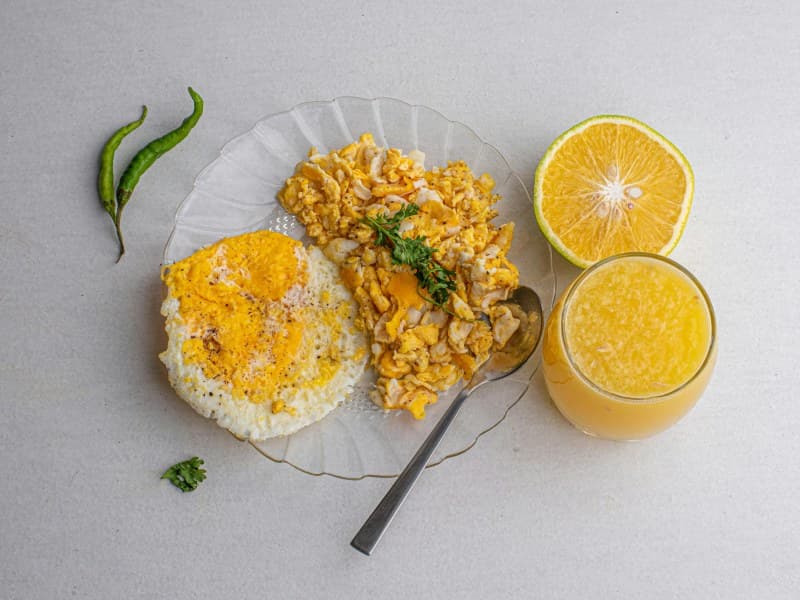
We’ve all been there: you’re rushing to make breakfast, crack a few eggs into a pan, and end up with either dry, rubbery curds or a runny mess. Scrambled eggs seem simple, but getting them just right—whether creamy, fluffy, or packed with extras—takes a bit of know-how. Today, we’re breaking down the only 5 ways you need to master scrambled eggs, complete with texture tips, pros and cons, and easy swaps to fit your mood.
The 5 Go-To Methods for Perfect Scrambled Eggs 🥚
Each method has its own vibe, so pick the one that matches what you’re craving. Let’s dive in:
1. Creamy Low-and-Slow
This is the method for when you want restaurant-worthy, silky eggs. Crack 2-3 eggs into a bowl, whisk with a pinch of salt and a tablespoon of heavy cream. Heat a non-stick pan over low heat, add a pat of butter, and pour in the eggs. Stir gently and constantly with a silicone spatula for 5-7 minutes until soft curds form. Remove from heat just before they’re fully set—they’ll continue cooking from residual heat.
2. Fluffy High-Heat
For light, airy eggs that feel like a cloud. Whisk eggs vigorously for 1 minute (the more air, the fluffier). Heat a pan over medium-high, add oil, and pour in the eggs. Let them sit for 10 seconds, then fold from the edges to the center with a spatula. Cook for 2-3 minutes until clumps form, then remove. No constant stirring here—let the eggs set to get that fluffy texture.
3. Herby Whisked
Add a fresh twist to your eggs. Whisk eggs with a splash of water, salt, and a handful of chopped fresh herbs (chives, parsley, or dill work great). Cook over medium heat, stirring occasionally, until soft. The herbs add a bright, aromatic flavor that pairs well with toast or avocado.
4. Cheese-Stuffed
For the cheese lovers out there. Cook your eggs using either the creamy or fluffy method, then fold in shredded cheese (cheddar, mozzarella, or feta) in the last 30 seconds. The cheese will melt into the eggs, creating a gooey, savory bite. Pro tip: Add a sprinkle of paprika for extra warmth.
5. Veggie-Packed
Turn your eggs into a complete meal. Saute diced bell peppers, spinach, or mushrooms in the pan first until soft. Then pour in your whisked eggs and cook as usual. This method adds fiber and color, making it perfect for a filling breakfast or brunch.
Compare the Methods: Which One Is Right for You?
Not sure which method to pick? Here’s a quick comparison:
| Method | Texture | Prep Time | Difficulty | Pros | Cons |
|---|---|---|---|---|---|
| Creamy Low-and-Slow | Silky, smooth | 5-7 mins | Medium (needs constant stirring) | Restaurant-quality, rich flavor | Takes longer, not ideal for rushed mornings |
| Fluffy High-Heat | Light, airy | 2-3 mins | Easy | Quick, perfect for busy days | Can overcook quickly if not careful |
| Herby Whisked | Soft, fresh | 3-4 mins | Easy | Adds bright flavor, pairs well with sides | Requires fresh herbs (or dried as a substitute) |
| Cheese-Stuffed | Gooey, savory | 3-5 mins | Easy | Indulgent, great for cheese lovers | Adds extra calories |
| Veggie-Packed | Heartier, textured | 5-6 mins | Medium (saute veggies first) | Nutritious, complete meal | Takes a bit more prep time |
A Word from the Pros
“The perfect scrambled eggs are soft, creamy, and gently curdled. They should not be too dry, nor too runny.” — Julia Child
Julia Child’s wisdom hits the mark. The creamy low-and-slow method is her go-to, and it’s easy to see why—those silky curds are hard to resist. Even if you prefer fluffier eggs, her advice to avoid overcooking applies to all methods: take them off the heat just before they’re done.
Real-Life Success Story: From Rubber to Creamy
My roommate Sarah used to dread making scrambled eggs. She’d cook them on high heat for 2 minutes, resulting in dry, rubbery eggs that she’d drown in ketchup. One morning, I showed her the low-and-slow method. She was skeptical at first—5 minutes seemed like forever—but she gave it a try. Stirring constantly, she watched the eggs turn into soft, creamy curds. Now, she makes them every weekend, adding a dash of truffle oil for extra luxury. “I can’t believe I was doing it wrong all this time,” she said. “These eggs taste like they’re from a fancy brunch spot!”
FAQ: Your Scrambled Egg Questions Answered
Q: Should I use milk or water in my scrambled eggs?
A: It depends on what you want! Milk (or cream) adds creaminess, which is great for the low-and-slow method. Water adds air, making eggs fluffier—perfect for the high-heat method. If you’re watching calories, skip both and just use eggs and salt.
Q: How do I prevent my eggs from sticking to the pan?
A: Use a non-stick pan if possible. Preheat the pan with butter or oil, and don’t overcrowd it (cook eggs in batches if needed). For stainless steel pans, make sure the pan is hot enough before adding eggs—you can test this by dropping a drop of water; it should sizzle and evaporate quickly.
Whether you’re in a rush or have time to spare, these 5 methods will help you make perfect scrambled eggs every time. Experiment with different ingredients and find your favorite—you might just surprise yourself with how delicious a simple dish can be!