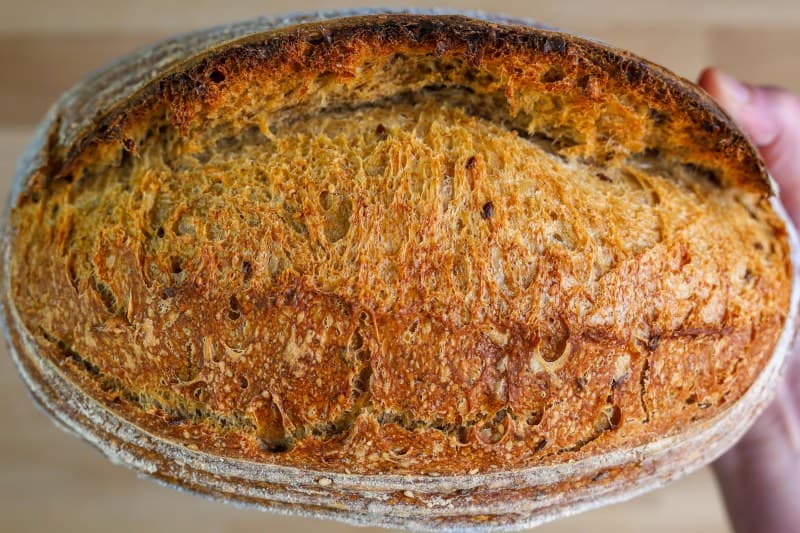
Last month, my friend tried her first sourdough loaf. She measured every ingredient precisely, waited for hours, and even preheated her Dutch oven. But the result? A dense, flat brick that tasted more like raw flour than the crusty, tangy bread she’d dreamed of. She texted me, frustrated: “Why does this take so long? Regular bread rises in an hour!” That’s the magic (and sometimes the headache) of sourdough—it’s all about fermentation, a slow, living process that turns simple flour and water into something extraordinary.
What Is Sourdough Fermentation?
Sourdough fermentation is a natural process that uses wild yeast and lactobacilli bacteria (found in flour and the air) to break down the starches in flour into sugars. These microbes eat the sugars, producing carbon dioxide (which makes the bread rise) and lactic acid (which gives sourdough its tangy flavor). Unlike commercial yeast, which is a single strain, sourdough uses a community of microbes—each starter has its own unique mix, depending on where it’s made.
6 Key Stages of Sourdough Fermentation 🍞
Every sourdough loaf goes through these stages. Mastering them is the key to perfect bread:
- Mixing: Combine active sourdough starter with flour and water. This introduces the microbes to their food source.
- Autolyse: Let the dough rest for 30-60 minutes. This allows the flour to absorb water, which helps develop gluten (the structure that holds the bread together).
- Bulk Fermentation: The main rise! Let the dough sit at room temperature for 4-12 hours. The microbes produce CO2, making the dough double in size. You’ll see bubbles on the surface—this is a good sign.
- Stretch & Fold: Gently stretch the dough and fold it over itself every 30-60 minutes during bulk fermentation. This strengthens the gluten without kneading.
- Proofing: Shape the dough into a loaf and let it rise one last time (1-3 hours). This gives the bread its final structure before baking.
- Baking: Put the dough in a hot oven (usually with steam) to kill the microbes, set the structure, and create that crispy crust we love.
Starter Types: Which One Fits Your Baking Style?
Your starter is the heart of your sourdough. Here’s how three common types compare:
| Starter Type | Pros | Cons | Best For |
|---|---|---|---|
| Wheat | Fast-rising, mild flavor, easy to maintain | Less tangy than rye | Beginner bakers, classic sourdough loaves |
| Rye | Tangy flavor, more resilient (grows quickly) | Darker color, stronger taste | Bakers who love bold, sour flavors |
| Spelt | Light, nutty flavor, easier to digest for some | Slower to rise, needs more frequent feeding | Health-conscious bakers, unique loaves |
Common Sourdough Myths Debunked 💡
- Myth: Sourdough is gluten-free.
Fact: Most sourdough uses wheat or rye flour, which contain gluten. Gluten-free sourdough exists, but it requires special flours (like rice or quinoa) and a gluten-free starter. - Myth: You need a starter from a bakery.
Fact: You can make your own starter at home with just flour and water. It takes 5-7 days, but it’s fun to watch it come alive! - Myth: Sourdough is hard to make.
Fact: It’s all about patience. Once you get to know your starter (how it reacts to temperature, how often it needs feeding), it becomes second nature.
A Word of Wisdom from Julia Child
“The only real stumbling block is fear of failure. In cooking, you've got to have a what-the-hell attitude.”
This quote sums up sourdough perfectly. My friend’s first loaf was a failure, but she tried again. Her second loaf? Crusty, tangy, and perfect. Don’t let a bad batch stop you—every mistake teaches you something about your starter and the fermentation process.
FAQ: Your Sourdough Questions Answered
Q: Can I use a starter that’s been in the fridge for weeks?
A: Yes! Take it out of the fridge, discard most of it (leave 2-3 tablespoons), and feed it with equal parts flour and water. Let it sit at room temperature for 8-12 hours. Repeat this 2-3 times until it’s bubbly and active. This “wakes up” the microbes and makes sure your bread rises properly.
Sourdough fermentation is a journey, not a destination. It’s about slow, intentional baking—something we could all use more of in our fast-paced lives. So grab some flour, water, and a jar, and start your sourdough adventure today. Who knows? Your next loaf might be your best one yet.