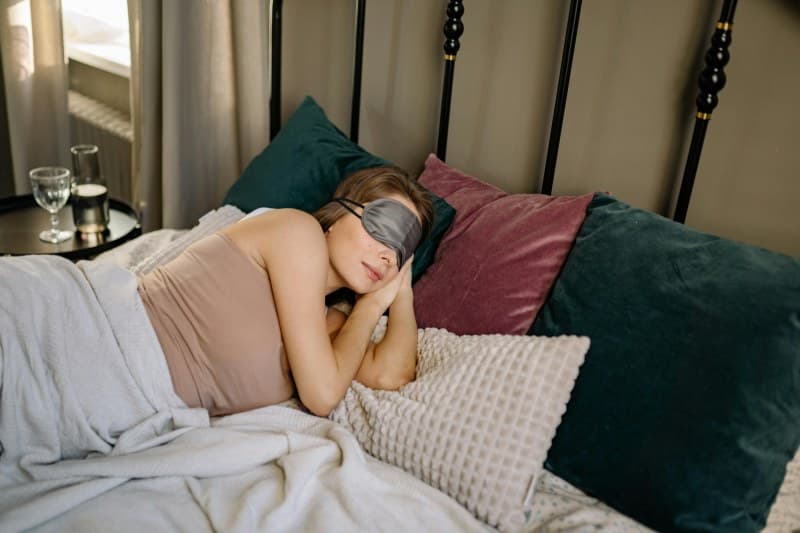
Last week, I spent three nights staring at the ceiling, replaying my to-do list and listening to the neighbor’s dog bark. I thought I was just “stressed,” but turns out, a mix of blue light from my phone and an off-schedule dinner was messing with my sleep. Sound familiar? You’re not alone—most of us deal with sleep disruptors without even realizing it.
5 Key Sleep Disruptors: What They Do & How to Fix Them
We often blame “stress” for poor sleep, but the real culprits are usually small, daily habits or environmental factors. Here’s a breakdown of the most common ones, their impact, and easy fixes:
| Culprit | Effect on Sleep | Quick Fix |
|---|---|---|
| Blue Light Exposure (Phones/TV) | Suppresses melatonin (sleep hormone), delaying drowsiness | Use blue light filters or put devices away 1 hour before bed |
| Irregular Meal Times | Digestion disrupts deep sleep; spicy/sugary foods cause discomfort | Eat dinner 2-3 hours before bed; avoid heavy/spicy meals |
| Environmental Noise | Wakes you from deep sleep (even if you don’t remember it) | Use white noise machines or earplugs; seal window gaps |
| Caffeine After 2 PM | Caffeine has a 6-hour half-life—stays in your system late | Switch to decaf or herbal tea after 2 PM |
| Cluttered Bedroom | Mental clutter leads to anxiety, making it hard to relax | Keep surfaces clear; use storage bins for extra items |
Myth Debunked: Counting Sheep Isn’t the Answer
You’ve probably heard counting sheep helps you fall asleep, but it’s a myth. A 2002 study found that people who visualized calm scenes (like a beach or forest) fell asleep faster than those who counted sheep. Why? Counting sheep is repetitive but not engaging enough to distract your racing mind—whereas a calm scene helps you relax.
“Sleep is the golden chain that ties health and our bodies together.” — Thomas Dekker
This 17th-century quote reminds us how critical sleep is to overall wellness. But if disruptors are breaking that chain, small fixes can help reattach it. For example, my friend Lisa used to drink coffee at 4 PM every day and struggle to fall asleep until 1 AM. After switching to herbal tea post-2 PM, she now dozes off within 20 minutes of getting in bed.
FAQ: Can I Fix My Sleep Overnight?
Q: I’ve been having bad sleep for weeks—can I turn it around in one day?
A: Probably not, but consistent small changes add up. For instance, if you start going to bed at the same time every night (even weekends) and avoid blue light before bed, you’ll notice better sleep quality in 7-14 days. Think of it as training your body’s internal clock—patience is key.
Final Thoughts
You don’t need fancy gadgets or expensive supplements to improve your sleep. Start with one disruptor from the table—maybe cutting caffeine after 2 PM or clearing your bedroom clutter. Over time, these small changes will help you get the rest you deserve. Sweet dreams! 😴