Last week, my friend Sarah—who’s played rec soccer for 5 years—showed up to our game wincing. “My hamstrings are killing me again,” she said. For as long as I’ve known her, she’s started every game with 10 minutes of static stretches: touching her toes, holding leg splits. But what if that’s the problem?
Myth 1: Static stretching before games prevents injuries
Static stretches (holding a position for 30+ seconds) feel good, but research says they don’t prevent injuries pre-game. They loosen muscles temporarily, but can reduce power and reaction time. Sarah’s hamstring soreness? Likely from static stretches weakening her muscles right before she ran.
Fix: Swap static for dynamic stretches—leg swings, high knees, or walking lunges—to warm up muscles and boost blood flow.
Myth 2: “Feeling the burn” means you’re getting better
That fiery sensation in your legs during a sprint? It’s lactic acid building up. Many people think this means they’re pushing their limits, but overdoing it can lead to fatigue and soreness that lasts days. Casual sports are about fun, not punishing your body.
Fix: Take short breaks when you feel the burn. For rec games, aim for 70-80% of your max effort—enough to feel challenged but not exhausted.
Myth 3: Natural talent beats consistent practice
We all know someone who seems to pick up a sport instantly. But here’s the truth: even “naturally talented” players put in work.
“It's not the will to win that matters—everyone has that. It's the will to prepare to win that matters.” — Bobby KnightThis quote hits home because it reminds us that practice (even 15 mins a day) beats raw talent over time. Sarah’s teammate, Mike, was terrible at passing when he joined—now he’s our best playmaker because he practices 20 mins daily.
Myth 4: Fancy gear makes you a better player
You don’t need $200 cleats or a high-tech fitness tracker to enjoy casual sports. I once bought a $150 basketball thinking it’d improve my shot—turns out, my old $20 ball worked just as well. The key is gear that fits, not gear that costs.
Fix: Prioritize comfort over brand. For soccer, get cleats that fit snugly (no blisters!). For running, pick shoes with good arch support.
Myth 5: Hydrate only when you’re thirsty
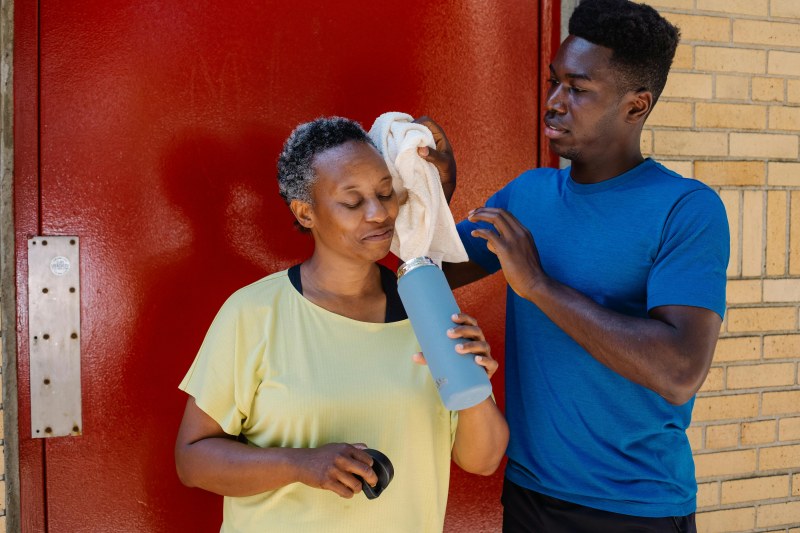
Thirst is a late sign of dehydration. By the time you feel thirsty, you’ve already lost 1-2% of your body water—enough to slow you down and make you tired.
Fix: Sip water 30 mins before the game, take small sips during (every 15 mins), and drink more after. For games longer than 90 mins, add a sports drink to replace electrolytes.
Static vs Dynamic Stretching: Which to Use When?
Confused about when to stretch? This table breaks it down:
| Type | Best Time | Benefits | Examples |
|---|---|---|---|
| Static | Post-game or cool-down | Improves flexibility, reduces soreness | Touching toes, holding hamstring stretch |
| Dynamic | Pre-game or warm-up | Boosts blood flow, enhances performance | Leg swings, high knees, arm circles |
Quick Q&A: Common Casual Sports Questions
Q: Do I need to drink Gatorade during a 1-hour rec game?
A: Probably not. For short, low-intensity games, water is sufficient. Gatorade is helpful for longer (90+ mins) or high-sweat sessions to replace electrolytes.
Q: How often should I practice casual sports to improve?
A: Even 10-15 mins a day (like practicing dribbling or shooting) can make a big difference over time. Consistency beats long, infrequent sessions.
Wrap-Up
Casual sports are about fun, but small changes can make them more enjoyable and less painful. Next time you lace up your cleats, skip the static stretches, sip water before you’re thirsty, and remember—practice beats talent. And if you’re like Sarah? She swapped static for dynamic stretches and is now soreness-free and scoring more goals!