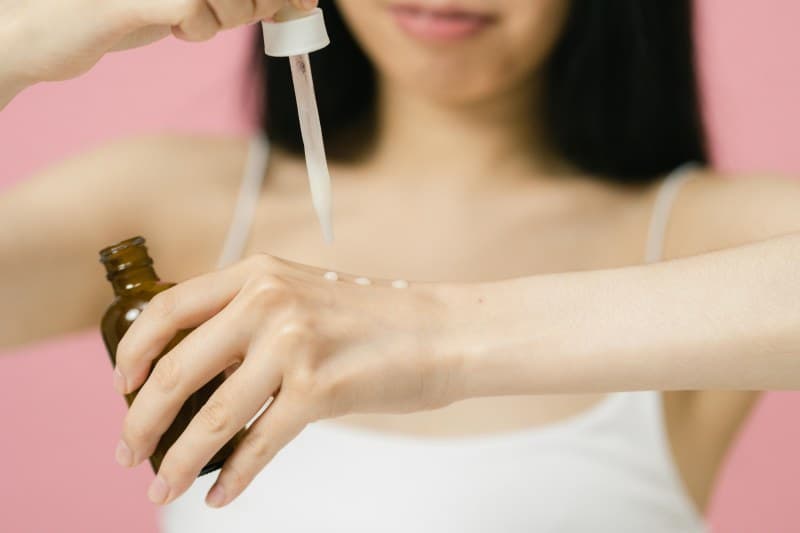
Let’s start with Mia’s story: She picked up a popular hyaluronic acid serum, slathered it on her face every night, then layered moisturizer immediately. By bedtime, her skin felt like it was covered in a sticky film—annoying enough to make her want to skip the serum altogether. Sound familiar?
Why That Sticky Skincare Residue Happens
Sticky residue isn’t just a nuisance; it’s a sign something’s off with how you’re using your products. Common causes include:
- Overapplying: More product doesn’t equal better results—excess sits on top instead of absorbing.
- Wrong order: Applying heavy products before lightweight ones blocks absorption.
- Ingredient type: Some ingredients (like high-molecular-weight HA) are naturally sticky.
- Humidity: High moisture in the air can slow down absorption.
Sticky vs. Non-Sticky Ingredients: A Quick Guide
Not all ingredients are created equal when it comes to residue. Here’s a breakdown:
| Ingredient Type | Sticky Tendency | Absorption Speed | Best For |
|---|---|---|---|
| High-molecular-weight hyaluronic acid | High | Slow | Dry skin (locks in moisture) |
| Low-molecular-weight hyaluronic acid | Low | Fast | All skin types (deep penetration) |
| Pure glycerin | Medium | Moderate | Dry/combination skin |
| Niacinamide (5-10%) | Low | Fast | Oily/acne-prone skin |
| Petroleum jelly | Very high | Very slow | Extremely dry skin (barrier repair) |
7 Easy Fixes to Ditch Sticky Residue
Ready to say goodbye to that sticky feeling? Try these tips:
- Pat, don’t rub: Instead of rubbing products into your skin, pat them gently. This helps ingredients absorb without creating friction.
- Wait between layers: Give each product 30-60 seconds to absorb before applying the next.
“Patience is the companion of wisdom” — Saint Augustine
This applies to skincare too—rushing layers leads to residue. - Use less product: A pea-sized amount of serum or moisturizer is usually enough for your entire face.
- Switch to lightweight formulas: If you have oily skin, opt for gel-based moisturizers instead of cream ones.
- Check the order: Follow the “thinnest to thickest” rule—serums first, then moisturizer, then sunscreen.
- Exfoliate regularly: Dead skin cells can block absorption, so exfoliate 2-3 times a week with a gentle scrub or chemical exfoliant.
- Adjust for humidity: In humid weather, skip heavy creams and use lighter products like toners or serums.
Myth Busting: Common Misconceptions About Sticky Skincare
Let’s set the record straight:
- Myth: Sticky residue means the product isn’t working. Fact: Some beneficial ingredients (like high-molecular-weight HA) are naturally sticky but provide long-lasting hydration. If it lingers for hours, adjust your routine.
- Myth: You need to wash off sticky residue. Fact: Unless it’s causing irritation, let it absorb—washing it off wastes the product.
FAQ: Your Sticky Skincare Questions Answered
Q: I apply sunscreen every morning, but it leaves a sticky film. What can I do?
A: Try a mineral sunscreen with a matte finish, or apply a small amount of setting powder over it to reduce stickiness. Also, make sure you’re not overapplying—use a nickel-sized amount for your face and neck.
By making small adjustments to your routine, you can enjoy the benefits of your skincare products without the sticky aftermath. Remember: skincare is personal, so don’t be afraid to experiment until you find what works for you!