Last summer in Marrakech, I wandered off the bustling Jemaa el-Fna square into a narrow alley and stumbled upon a tiny stall run by an elderly woman. She wove baskets with calloused hands, and though we spoke no common language, she smiled and offered me mint tea. When I bought two baskets, she pressed a small, hand-carved wooden spoon into my palm as a gift. That moment reminded me: markets aren’t just places to shop—they’re windows into a culture’s soul.
Why Local Markets Are Travel Gold
Local markets are where daily life unfolds. You’ll find fresh street food (think: pad thai in Bangkok or tajine in Morocco), handcrafted goods made by artisans, and locals haggling over prices like old friends. They’re budget-friendly, full of surprises, and far more memorable than any souvenir shop.
7 Tips to Master Local Market Travel
- 💡 Arrive early: Beat the tourist crowds and get the freshest produce. In Mexico City’s Mercado de la Merced, arriving at 7 AM means warm tortillas and quiet chats with vendors.
- 💡 Learn 2-3 local phrases: “How much?” and “Thank you” go a long way. Vendors appreciate the effort, even if your pronunciation is off.
- 💡 Bargain politely: Don’t lowball (it’s rude!). Start at 50% of the asking price and meet in the middle. Remember: this is how vendors feed their families.
- 💡 Walk past front stalls: Stalls near market entrances are often tourist-focused. Head deeper—you’ll find authentic items at better prices.
- 💡 Follow the locals: If a street food stall has a long line of locals, it’s probably delicious. Skip the ones with no customers.
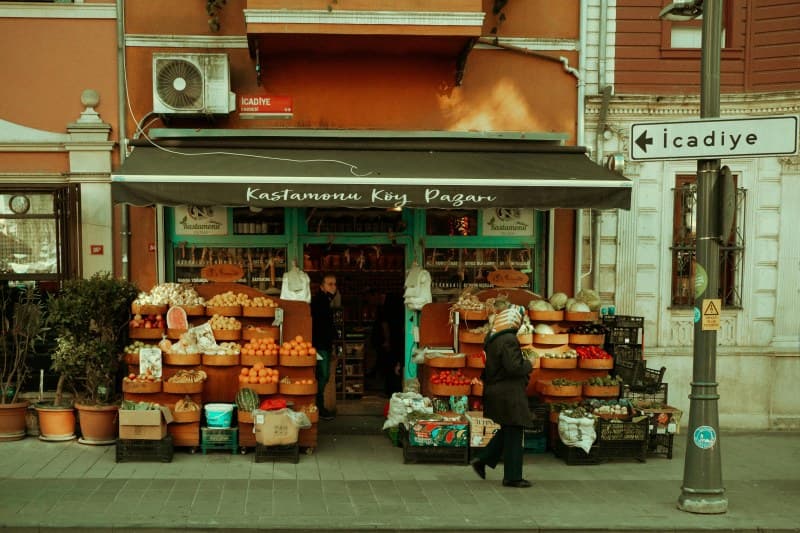
- 💡 Ask for recommendations: Vendors know the best hidden spots in the city. A basket seller in Istanbul once told me about a tiny bakery down the street that made the best baklava.
- 💡 Watch for scams: Avoid “free” samples that turn into pressure to buy, or vendors who suddenly raise prices after you agree to buy.
Tourist vs. Local Stalls: What’s the Difference?
Not all market stalls are created equal. Here’s how to tell the authentic ones from the tourist traps:
| Feature | Tourist Stalls | Local Stalls |
|---|---|---|
| Location | Front of market, near main entrances | Deep inside the market, off busy paths |
| Price Range | High (marked up for tourists) | Reasonable (fair for locals) |
| Authenticity | Mass-produced items (e.g., cheap souvenirs) | Handmade, local crafts or fresh produce |
| Interaction | Minimal (focused on quick sales) | Friendly, often includes small talk or samples |
Classic Wisdom About Markets
“The market is the place where the world meets. It’s where stories are exchanged, not just goods.” — Anthony Bourdain
Bourdain’s words hit home. Markets are more than transactions—they’re where you learn about a culture’s traditions, tastes, and people. That wooden spoon from Marrakech still sits on my kitchen counter, a reminder of the woman who shared her tea and her craft.
FAQ: Common Market Travel Questions
Q: Is it okay to take photos of vendors in local markets?
A: Always ask first. Most vendors are happy to pose if you’re polite, but some may prefer privacy (especially if they’re busy). It’s a simple way to show respect.
Next time you travel, skip the big malls and head to the nearest local market. You’ll leave with more than souvenirs—you’ll have stories to tell, and maybe even a new friend.