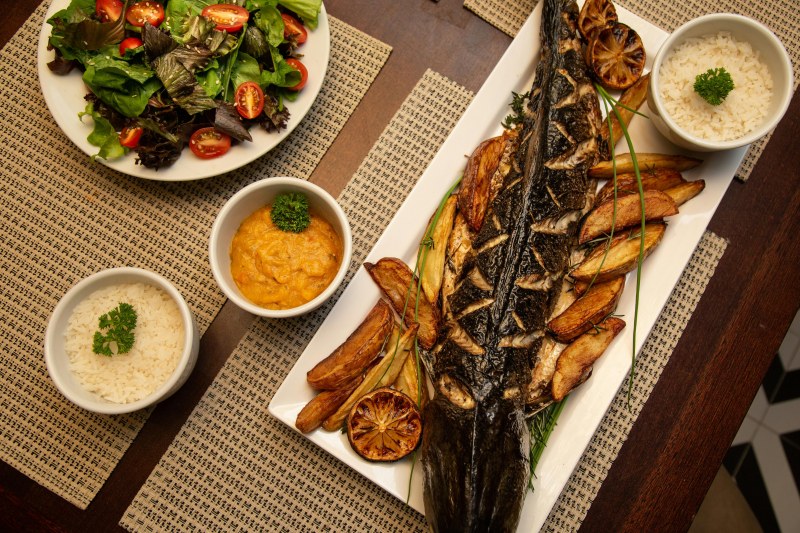
Ever walked past a tourist-filled restaurant with generic ‘local’ dishes and wondered where the real food is? I’ve been there. On a trip to Bangkok, I skipped the hotel’s overpriced pad thai and followed a street vendor’s nod to a tiny stall down an alley. The pad thai there was tangy, spicy, and made with fresh shrimp—plus the vendor taught me how to fold it like a local. That’s the magic of authentic local food: it’s not just a meal, it’s a window into a culture.
Why Authentic Local Food Matters
Authentic local food isn’t about fancy plating or Instagram-worthy dishes. It’s about eating what locals eat, where they eat it. It’s the grandmother’s recipe passed down for generations, the street stall that’s been in the same spot for 20 years, the family-run restaurant where everyone knows your name (even if you’re a stranger). These experiences create memories that last longer than any souvenir.
7 Key Tips to Find & Enjoy Authentic Local Food
Finding real local food doesn’t have to be hard. Here are 7 tips to guide you:
- Follow the locals: If a stall or restaurant is packed with locals (not tourists), it’s a good sign. They know the best spots.
- Ask for recommendations: Talk to hotel staff, taxi drivers, or even other travelers who’ve been there a while. People love sharing their favorite food spots.
- Skip the menu translations: If a place has a menu only in the local language, it’s likely authentic. Use a translation app or point to what others are eating.
- Try street food: Street food is often the most authentic and affordable option. Look for clean stalls with fresh ingredients.
- Visit local markets: Markets are a goldmine for local snacks and ingredients. You can even try samples!
- Embrace regional specialties: Each region has its own unique dishes. For example, in Italy, Naples is known for pizza, while Sicily is famous for arancini.
- Be open-minded: Try dishes you’ve never heard of. You might discover a new favorite!
Tourist Spots vs. Local Gems: A Quick Comparison
Wondering how to tell the difference between a tourist trap and a local gem? Here’s a breakdown:
| Aspect | Tourist-Focused Food Spots | Local Hidden Gems |
|---|---|---|
| Location | Near major landmarks or hotels | Off main streets, in residential areas |
| Menu | Translated into English, simplified dishes | Local language only, regional specialties |
| Price | Higher (marked up for tourists) | Affordable (local pricing) |
| Cultural Connection | Minimal (staff may not engage) | High (chat with vendors, observe local customs) |
Common Myths About Local Food Travel (Debunked)
Let’s set the record straight on some common myths:
- Myth: Street food is always unsafe. Fact: Look for stalls with local crowds—they wouldn’t eat there if it was unsafe. Also, check for fresh ingredients and clean preparation.
- Myth: You need to speak the local language to enjoy local food. Fact: Gestures and smiles go a long way. Many vendors are happy to help even if you don’t speak their language.
Local Food Etiquette: Do’s & Don’ts
Respecting local customs makes your food experience even better. Here are a few quick tips:
- Do: Try to eat like the locals. For example, in India, use your right hand to eat (left hand is considered unclean).
- Don’t: Waste food. Many cultures value food deeply, so only order what you can eat.
- Do: Say thank you. Even a simple “gracias” or “merci” goes a long way.
FAQ: Your Local Food Travel Questions Answered
Q: I have dietary restrictions—can I still find authentic local food?
A: Yes! Most local vendors are happy to adjust dishes if you ask. For example, if you’re vegetarian, just point to the vegetarian options or use a translation app to explain your needs.
Final Thoughts
“Food is our common ground, a universal experience.” — James Beard
This quote sums it up perfectly. Food connects us, no matter where we’re from. The next time you travel, skip the tourist traps and seek out the local gems. You’ll not only get a better meal—you’ll get a better story.