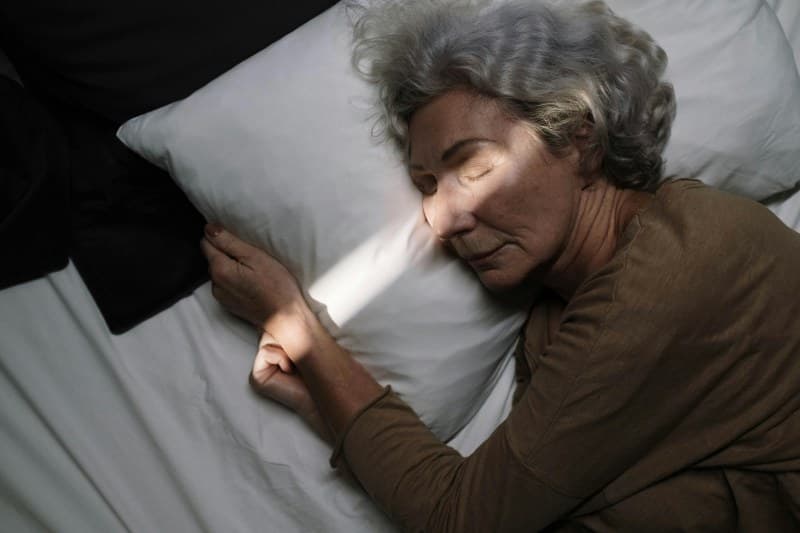
Last month, my friend Sarah told me she was stressed because she only got 7.5 hours of sleep every night. She’d lie awake staring at the clock, convinced she was ruining her health. Turns out, her obsession with the “8-hour rule” was the real problem—one of the most common sleep myths out there. These myths don’t just cause anxiety; they can actually prevent you from getting the rest your body needs.
7 Sleep Myths That Sabotage Your Rest 🌙
Let’s break down the most persistent sleep myths and replace them with science-backed truths.
Myth 1: You must get exactly 8 hours of sleep nightly
The idea that everyone needs 8 hours is a one-size-fits-all myth. Adults typically need 7-9 hours, but some people (like short sleepers) thrive on 6, while others need 10. This varies based on age, genetics, and lifestyle. For example, a college student might need more sleep than a 40-year-old professional.
💡 Fix: Track your sleep for a week. Note how you feel after 7, 8, or 9 hours. Stick to the amount that makes you feel alert during the day.
Myth 2: Napping during the day ruins nighttime sleep
Short naps (20-30 minutes) are actually beneficial—they boost energy and focus. Long naps (over an hour) or napping late in the day can disrupt your circadian rhythm, but a quick power nap won’t hurt.
💡 Fix: Nap before 3 PM and keep it under 30 minutes.
Myth 3: You can catch up on sleep over the weekend
Irregular sleep schedules (like staying up late on Friday and sleeping in on Saturday) confuse your body’s internal clock. This can lead to “social jet lag,” making it harder to wake up on Monday.
💡 Fix: Try to keep your bed and wake times within 30 minutes of each other, even on weekends.
Myth 4: Alcohol helps you fall asleep faster (and better)
Alcohol may make you drowsy, but it suppresses REM sleep—the deep, restorative stage of sleep. You might wake up frequently during the night or feel groggy in the morning.
💡 Fix: Avoid alcohol 3-4 hours before bed.
Myth 5: Counting sheep helps you fall asleep
Counting sheep is a boring task, but it doesn’t actively calm your mind. Studies show that visualizing a peaceful scene (like a beach or forest) is more effective at reducing anxiety and helping you drift off.
💡 Fix: Try imagining a quiet place where you feel relaxed.
Myth 6: Waking up in the middle of the night is a sign of poor sleep
It’s normal to wake up briefly during the night—sleep cycles include light stages where you might stir. If you stay awake for more than 20 minutes, get out of bed and do something calm (like reading a book) until you feel sleepy.
💡 Fix: Don’t lie in bed worrying about not sleeping. Get up and do a low-effort activity.
Myth 7: Complete darkness is the only way to sleep well
While blue light from screens disrupts melatonin (the sleep hormone), complete darkness isn’t necessary for everyone. Some people prefer a dim nightlight (like a red or amber bulb) to navigate the room if they wake up.
💡 Fix: Use blackout curtains to block street light, but keep a small nightlight if needed.
Myth vs. Reality: A Quick Guide
Here’s a side-by-side comparison to help you remember the key takeaways:
| Myth | Reality | Quick Fix |
|---|---|---|
| 8 hours is mandatory | 7-9 hours is normal (varies by person) | Track your sleep to find your ideal amount |
| Naps ruin night sleep | Short naps (20 mins) boost energy | Nap before PM |
| Weekend sleep catches up for weekdays | Irregular schedules cause social jet lag | Stick to consistent bed/wake times |
| Alcohol improves sleep | Suppresses REM sleep | Avoid alcohol 3-4 hours before bed |
| Counting sheep helps sleep | Visualizing calm scenes is better | Imagine a peaceful place |
| Waking up at night is bad | Normal part of sleep cycles | Get up if awake >20 mins |
| Complete darkness is required | Dim light (red/amber) is okay | Use blackout curtains + small nightlight if needed |
A Classic Take on Sleep
“It is during sleep that the body and mind recuperate.” — Aristotle
Aristotle understood the importance of sleep for recovery, but many of us let myths get in the way of that recuperation. Letting go of these misconceptions can help you get the rest your body and mind need.
FAQ: Common Sleep Questions
Q: Can I use my phone before bed if I turn on night mode?
A: Night mode reduces blue light, but it doesn’t eliminate it. The best practice is to put your phone away 30 minutes before bed to let your body produce melatonin naturally. If you must use it, keep the screen brightness low.
By letting go of these sleep myths, you can stop stressing about your sleep and start focusing on what works for your body. Remember: sleep is personal—there’s no one-size-fits-all solution.