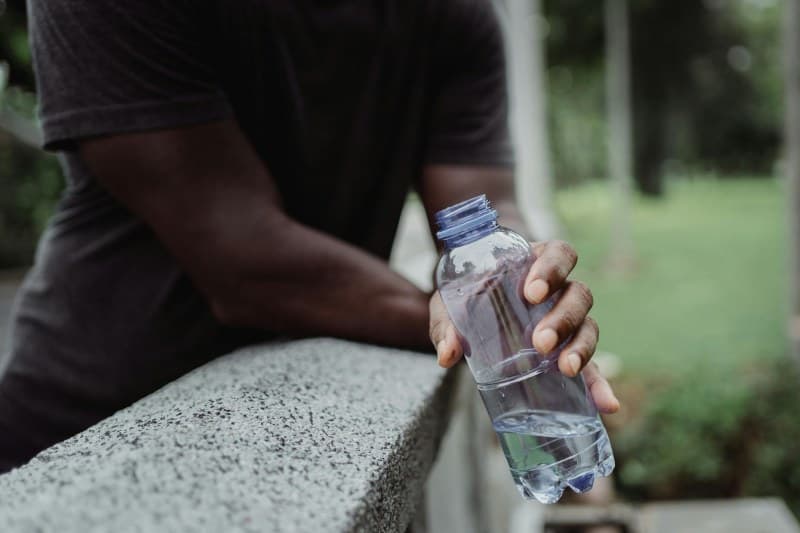
Ever had a morning where you’re dragging through tasks, snapping at coworkers for no reason, and can’t focus on your to-do list? You might blame lack of sleep or a bad breakfast—but what if the culprit is something simpler: not drinking enough water?
Take my friend Mia, a graphic designer who used to hit a wall every afternoon around 3 PM. She’d reach for a sugary snack or second coffee, but nothing helped. Then her doctor suggested tracking her water intake. Turns out she was only drinking 1 liter a day (way below her needs). Once she upped it to 2.5 liters, her afternoon slumps vanished, and she stopped feeling irritable mid-day. It was a game-changer.
The Two Key Ways Hydration Shapes Your Day
1. Energy Levels: The Cellular Fuel You’re Missing
Water is the unsung hero of energy production. Every cell in your body needs water to convert food into ATP—the molecule that powers your muscles and brain. When you’re even mildly dehydrated (1-2% of body weight), this process slows down. Studies show this can reduce energy levels by 10-20%—enough to make that afternoon meeting feel like a marathon.
2. Mood Regulation: Water’s Role in Brain Chemistry
Your brain is 73% water. Dehydration throws off neurotransmitters like serotonin (the “happy hormone”) and dopamine (the “motivation hormone”). A 2019 study in the Journal of Nutrition found that mild dehydration increased feelings of anxiety and fatigue in healthy adults. It also impaired cognitive functions like memory and focus—so that forgotten grocery list might not be your fault.
To see the difference clearly, here’s how dehydration vs proper hydration impacts your daily life:
| Aspect | Dehydrated State | Hydrated State |
|---|---|---|
| Energy Levels | Sluggish, frequent slumps | Steady, sustained energy |
| Mood | Irritable, anxious, or moody | Calm, focused, and positive |
| Cognitive Function | Memory lapses, poor focus | Sharp, clear thinking |
“Water is the driving force of all nature.” — Leonardo da Vinci
This quote rings true for our bodies too. Water drives every key function, from energy production to mood regulation. Without enough, our systems slow down, and we feel the effects in our daily lives.
Debunking Common Hydration Myths
Myth 1: Thirst is a late sign of dehydration
While it’s true mild dehydration can occur before you feel thirsty, thirst is still a reliable indicator. You don’t need to chug water nonstop to avoid this—just drink when you feel thirsty. Overhydration is rare and usually only a concern for athletes or people with certain medical conditions.
Myth 2: Coffee and tea dehydrate you
False! Caffeine has a mild diuretic effect, but the fluid from these drinks still contributes to your daily intake. A 2014 study in PLOS ONE found that coffee drinkers hydrate just as well as non-coffee drinkers. So your morning latte counts—just skip the extra sugar.
FAQ: Your Hydration Questions Answered
Q: How much water do I really need each day? The 8-glass rule feels arbitrary.
A: The 8-glass guideline is a rough estimate, but it’s not one-size-fits-all. Factors like age, activity level, climate, and gender matter. For example, a 30-year-old runner training in 90°F heat needs more than a sedentary 60-year-old. A better approach: listen to your body—drink when thirsty, and check your urine color (pale yellow is ideal; dark yellow means you need more).
Another tip: eat water-rich foods like cucumber (96% water), watermelon (92% water), or oranges (87% water). They’re a tasty way to boost your intake without chugging a bottle.
At the end of the day, staying hydrated isn’t about strict rules—it’s about being mindful of your body’s signals. Small changes, like keeping a water bottle at your desk or adding lemon to your water, can make a big difference in how you feel.