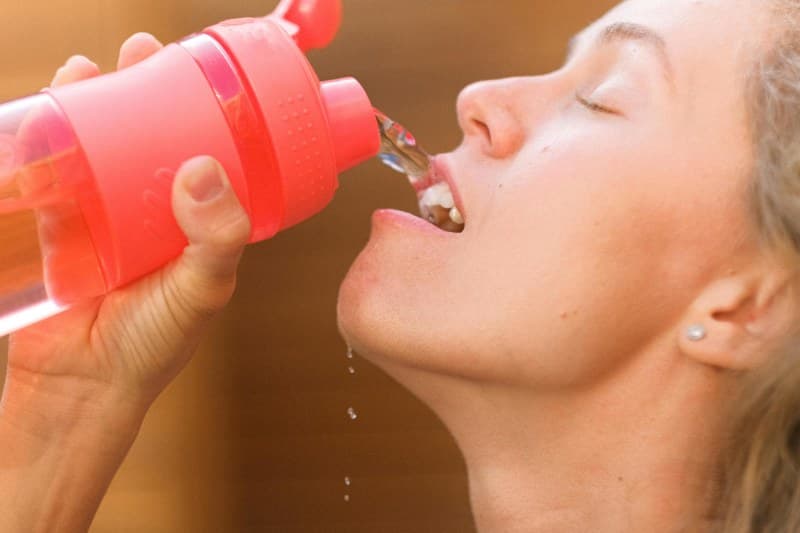
Let’s start with Sarah: she carries a 2L water bottle everywhere, chugging sips even when she’s not thirsty. Why? Because she’s heard the 8-glass rule is non-negotiable. But by midday, she’s running to the bathroom every hour and feels bloated. Is this really necessary?
The 8-Glass Rule: Where Did It Come From?
The myth likely traces back to a 1945 study that suggested adults need about 2.5 liters of water daily. But here’s the catch: that number included all fluids—tea, coffee, soup, and even water-rich foods like watermelon. Most people don’t need to force plain water to hit this mark.
7 Hydration Myths vs. The Truth
Let’s clear up common misconceptions with this quick comparison:
| Myth | Truth |
|---|---|
| You need 8 glasses of plain water daily | Total fluid intake (food + drinks) matters more; individual needs vary by activity, climate, and body type. |
| Coffee and tea dehydrate you | Moderate intake (3-4 cups a day) contributes to hydration—caffeine’s diuretic effect is minimal for most people. |
| Thirst is a late sign of dehydration | Mild thirst is an early signal; don’t wait until you’re parched to drink. |
| Overhydration isn’t a problem | It can lead to hyponatremia (low sodium levels), causing dizziness, nausea, or even seizures in severe cases. |
| You should drink water even if you’re not thirsty | For most healthy adults, thirst is a reliable guide—forcing water can lead to discomfort. |
| All bottled water is healthier than tap | Tap water is regulated and often as safe (or safer) than bottled; check your local water quality report. |
| Sports drinks are necessary for casual exercise | For workouts under 60 minutes, plain water is enough—sports drinks are best for long, intense sessions. |
Why Hydration Matters (And A Classic Take)
“Water is the driving force of all nature.” — Leonardo da Vinci
Da Vinci’s words ring true: water fuels every bodily function, from digestion to temperature regulation. But balance is key—overdoing it can be just as harmful as underdoing it.
A Relatable Story: When Too Much Water Backfired
Mike, a casual hiker, decided to follow the 8-glass rule on a 3-hour trail walk. He drank 2L of water, even though he wasn’t that thirsty. Halfway through, he felt dizzy and nauseous. A park ranger explained he was overhydrated—his body couldn’t process all the water, diluting his sodium levels. After resting and eating a salty snack (a handful of nuts), he felt back to normal.
FAQ: How Do I Know If I’m Drinking Enough?
Q: What’s a simple way to check hydration levels?
A: Look at your urine color. Pale yellow (like lemonade) means you’re well-hydrated. Dark yellow (like apple juice) signals dehydration. Also, listen to your body—if you’re thirsty, grab a drink.
Smart Hydration Tips For Everyday Life
- Add water-rich foods to your diet: cucumbers (96% water), watermelon (92%), and oranges (87%) are great choices.
- Keep a water bottle handy, but don’t force sips—let thirst guide you.
- For long workouts (over 60 minutes), add a pinch of salt to your water to replace lost electrolytes.
- Avoid sugary drinks (soda, sweetened iced tea) that can dehydrate you and add empty calories.
Hydration isn’t a one-size-fits-all rule. Forget the 8-glass myth—listen to your body, eat water-rich foods, and stay balanced. Your body will thank you.