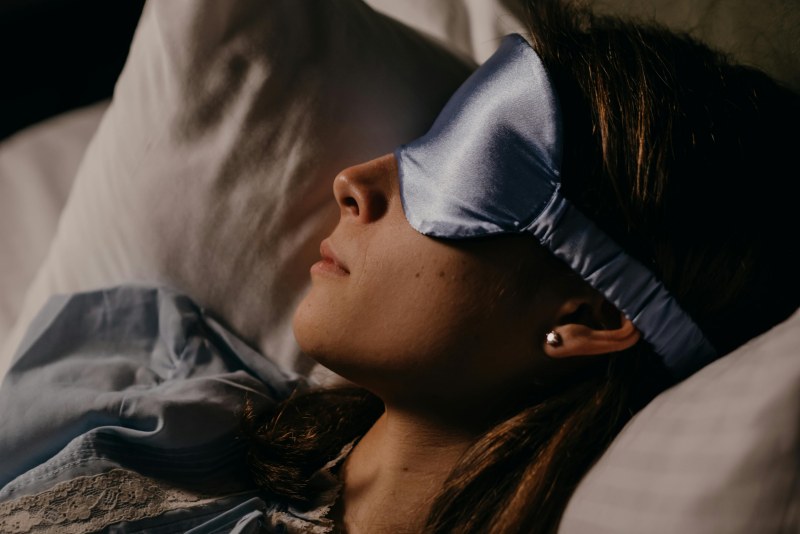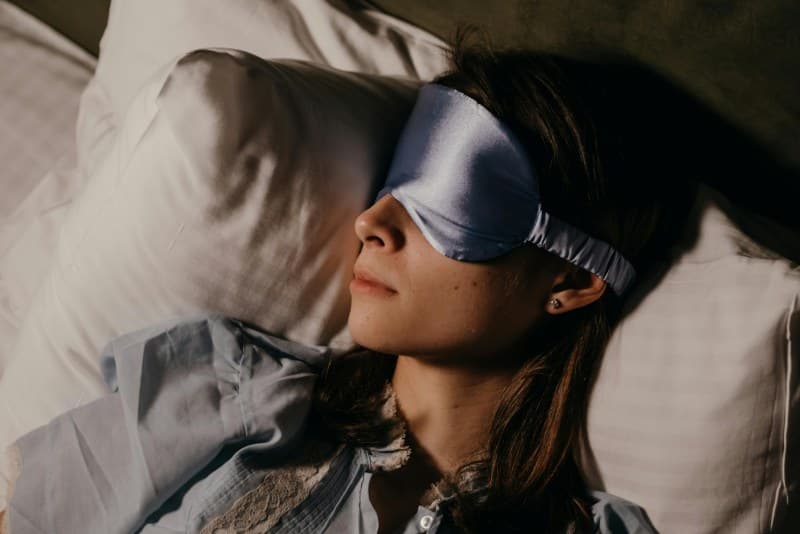
Sarah, a 32-year-old graphic designer, often tosses and turns until 1 AM, even though she’s exhausted. She blames her “stressful job” or “bad genes”—but what she doesn’t realize is her daily choices are the real sleep thieves. Let’s break down 6 common habits that secretly ruin sleep quality, plus easy fixes to help you wake up feeling refreshed.
6 Habits Sabotaging Your Sleep (And Their Fixes)
1. Caffeine After 2 PM ☕
Caffeine has a half-life of 6–8 hours, meaning if you drink a latte at 3 PM, half of it is still in your system at 9 PM. Sarah grabs a coffee at 4 PM every day to beat the afternoon slump——no wonder she can’t fall asleep!
Fix: Switch to decaf after 2 PM, or opt for herbal teas like chamomile or peppermint.
2. Screen Time 1 Hour Before Bed 📱
Blue light from phones and laptops suppresses melatonin, the hormone that signals your body to sleep. Sarah scrolls Instagram for an hour before bed, delaying her body’s sleep cue.
Fix: Use blue light filters on devices, or swap screens for a physical book or journal.
3. Irregular Sleep Schedules (Weekend Binge-Sleeping)
Sarah sleeps until 10 AM on weekends to “catch up” on rest, but this throws off her circadian rhythm. When Monday rolls around, her body is confused—leading to morning grogginess.
Fix: Keep your sleep/wake time consistent (within 30 minutes) every day, even on weekends.
4. Heavy Meals Late at Night 🍝
Eating a big, spicy meal before bed forces your digestive system to work overtime. Sarah often has pasta at 9 PM, which causes discomfort and disrupts her sleep.
Fix: Eat light, non-spicy meals 2–3 hours before bed. Try a small snack like yogurt or a banana if you’re hungry.
5. Skipping Physical Activity (Or Overdoing It Late)
Sarah sits at her desk all day and skips exercise—this reduces her body’s need for rest. On the rare days she works out, she does it at 8 PM, which boosts her energy and makes it hard to wind down.
Fix: Get 30 minutes of moderate exercise (like walking) daily, but finish at least 3 hours before bed.
6. Keeping Your Bedroom Too Warm 🌡️
Your body needs to cool down to sleep. Sarah keeps her bedroom at 75°F (24°C), which is too warm for optimal rest.
Fix: Keep your bedroom between 60–67°F (15–19°C) for better sleep.
Quick Habit vs Fix Comparison
Here’s a snapshot of each habit, its fix, and the science behind it:
| Bad Habit | Science-Backed Fix | Key Insight |
|---|---|---|
| Caffeine after 2 PM | Decaf or herbal tea | Caffeine blocks adenosine, the sleep-inducing chemical. |
| Screen time pre-bed | Blue light filters or physical books | Blue light reduces melatonin production by ~20%. |
| Irregular sleep schedule | Consistent sleep/wake times | Circadian rhythm thrives on routine. |
| Heavy late meals | Light snacks 2–3 hours before bed | Digestion raises body temperature, delaying sleep. |
| No exercise (or late workouts) | Daily moderate exercise (finish 3h pre-bed) | Exercise improves sleep quality but late workouts boost alertness. |
| Warm bedroom | 60–67°F (15–19°C) room temp | Body temperature drops to initiate sleep. |
Wisdom From the Past
“Early to bed and early to rise makes a man healthy, wealthy, and wise.” — Benjamin Franklin
Franklin’s advice isn’t just old-fashioned—it aligns with modern sleep science. A consistent sleep schedule (as Franklin suggested) helps regulate your circadian rhythm, leading to better rest and more energy during the day.
Common Sleep Question
Q: Is it okay to take a nap during the day?
A: Short power naps (20–30 minutes) can boost energy and focus. But longer naps (over 45 minutes) may leave you groggy and disrupt nighttime sleep. If you nap, do it before 3 PM to avoid interfering with your evening rest.
Small changes to your daily habits can make a big difference in your sleep quality. Start with one habit—like cutting caffeine after 2 PM—and see how you feel. Sweet dreams!