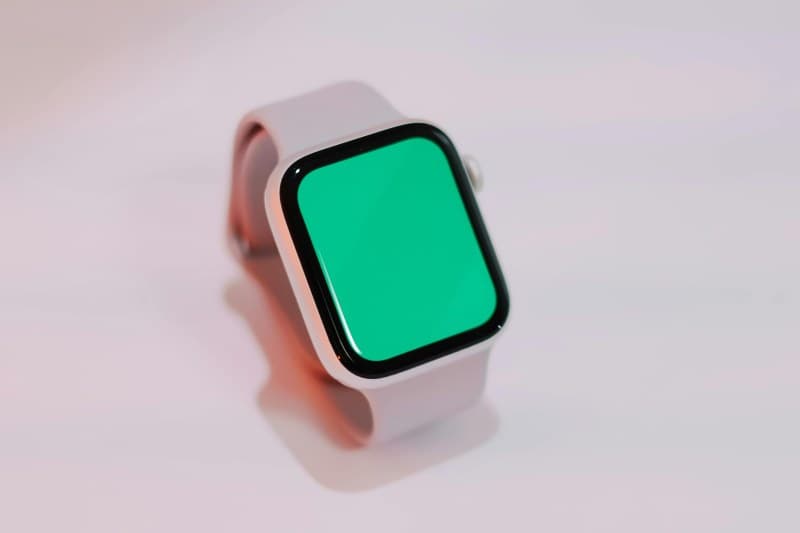
Last week, my friend Sarah showed me her smartwatch and sighed, ‘I only ever use it for step counts.’ I asked her to check the ‘stress monitor’ tab, and she was stunned: it had logged a spike during her morning meeting. That’s the thing about smartwatches—most of us barely scratch the surface of what they can do.
5 Surprising Things Your Smartwatch Tracks (Beyond Steps) ⌚
1. Stress Levels via Heart Rate Variability (HRV)
Your smartwatch doesn’t just count heartbeats—it measures the tiny gaps between them (HRV). Lower HRV often signals stress, while higher HRV means your body is relaxed. Sarah’s meeting spike? Her watch picked up on her elevated stress through changes in HRV.
2. Sleep Stages (Not Just Total Hours)
Forget just knowing how long you slept—many watches track deep, light, and REM sleep. They use movement sensors and heart rate to guess which stage you’re in. For example, deep sleep is when your body repairs itself, and REM is for dreaming. A friend of mine used this data to realize she was getting almost no REM sleep, so she started avoiding screens an hour before bed—her REM time jumped by 15% in two weeks.
3. Blood Oxygen Saturation (SpO2)
SpO2 measures how much oxygen is in your blood. Smartwatches use light sensors to shine through your skin and calculate this. It’s useful for hikers acclimating to high altitudes or people checking for sleep apnea (low oxygen levels during sleep).
4. Posture Alerts
Some watches (like the Samsung Galaxy Watch 6) track your posture. If you slouch for too long, they send a gentle vibration to remind you to sit up. This is a game-changer for desk workers—my cousin used these alerts to fix her slouch and reduce back pain.
5. Hydration Reminders
Sync your watch with a hydration app, and it’ll remind you to drink water throughout the day. One user I know increased their daily water intake by 30% just by following these reminders—no more mid-afternoon dehydration headaches.
How Do Different Smartwatches Compare? 📊
Here’s a quick look at three popular models and their key non-step tracking features:
| Model | Stress Tracking (HRV) | Sleep Stages | SpO2 Monitoring | Posture Alerts | Hydration Reminders |
|---|---|---|---|---|---|
| Apple Watch Series 9 | Yes (Mindfulness app) | Yes (deep, light, REM) | Yes (overnight) | Yes (Stand & Move) | Third-party apps |
| Samsung Galaxy Watch 6 | Yes (Stress Tracker) | Yes (detailed stages) | Yes (real-time) | Yes (Posture Correction) | Built-in |
| Fitbit Charge 6 | Yes (Stress Score) | Yes (sleep stages) | Yes (overnight) | No | Fitbit app |
Myths Debunked: What Your Smartwatch Can (and Can’t) Do
Let’s clear up some common misconceptions:
- Myth: Smartwatches can diagnose medical conditions. Fact: They’re for monitoring, not diagnosis. If your watch shows unusual SpO2 levels, see a doctor—not just rely on the watch.
- Myth: More features mean better accuracy. Fact: Budget watches may have less precise sensors. For example, a $50 watch’s sleep tracking might not be as accurate as a $300 one.
“Technology is a useful servant but a dangerous master.” — Christian Lous Lange
This quote reminds us that smartwatches are tools to help us understand our bodies, not replace professional advice. Use their data to make small, positive changes—like adjusting your bedtime or drinking more water—but always consult a doctor for health concerns.
Real-Life Example: How a Smartwatch Changed a Daily Routine
Mark, a 35-year-old software engineer, noticed his smartwatch’s sleep data showed he was waking up 2-3 times a night. He started using a white noise app and avoiding coffee after 3 PM. Within a month, his deep sleep increased by 20%, and he stopped feeling groggy at work. “I never thought a watch could help me sleep better,” he said.
FAQ: Common Questions About Smartwatch Tracking
Q: Can my smartwatch really track stress levels accurately?
A: It depends on the model. Most use HRV, which is a reliable indicator for healthy adults, but factors like caffeine or exercise can affect readings. Think of it as a general guide, not a medical diagnosis.
Q: Do I need a premium watch to get these features?
A: No! Mid-range models like the Fitbit Charge 6 offer stress tracking, sleep stages, and SpO2. Premium watches add extra features (like ECG), but basic tracking is accessible to most.
Practical Tips to Make the Most of Your Smartwatch
- Customize alerts: Turn on posture reminders if you sit at a desk.
- Sync with apps: Link your watch to Apple Health or Google Fit for a complete health picture.
- Don’t obsess over numbers: Use data to spot trends (like “I sleep worse on nights I drink coffee”) instead of stressing about daily fluctuations.
Smartwatches are more than just step counters—they’re personal health assistants. By exploring their hidden features, you can gain insights into your body that help you live a more balanced life. Remember: the best way to use technology is to let it work for you, not against you.