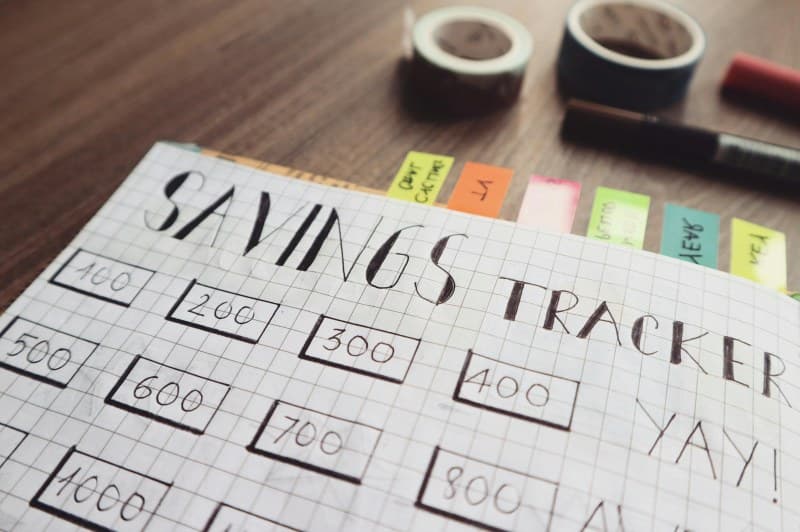
Many people on low incomes think saving is impossible. After paying rent, utilities, and groceries, there’s barely anything left. But the truth is, saving isn’t about how much you earn—it’s about how you prioritize. Even small amounts add up over time, and there are ways to cut unnecessary costs without sacrificing basic needs.
Is It True You Can’t Save Money on a Low Income? The Truth
Saving on a low income isn’t about becoming wealthy overnight. It’s about building a safety net to avoid debt when unexpected expenses pop up—like a broken phone or a car repair. Even $500 in savings can prevent you from taking out a high-interest loan that traps you in a cycle of debt.
5 Myths About Saving on a Low Income (Debunked)
Let’s break down the most common myths that hold people back:
Here’s a quick look at each myth and its reality:
| Myth | Reality |
|---|---|
| You need to save a large percentage of your income to make a difference. | Even 1-2% of your income (e.g., $5 from a $250 paycheck) adds up to $60-$120 a year. |
| Cutting small expenses won’t help. | Skipping one $3 coffee a day saves $1,095 a year—enough for a small emergency fund. |
| You can’t save if you have debt. | Starting with a tiny emergency fund (e.g., $500) prevents you from going deeper into debt when unexpected costs hit. |
| Only people with high incomes can use savings accounts. | Many banks offer free savings accounts with no minimum balance requirements. |
| Saving means giving up all fun. | You can still enjoy small treats—just budget for them (e.g., $10 a month for a movie night). |
"A penny saved is a penny earned." — Benjamin Franklin
Franklin’s 18th-century wisdom still applies today. For someone on a low income, every penny saved is money you keep for your future, not money spent on things you don’t need. This small shift in mindset can make a big difference over time.
A Real-Life Example: Maria’s $500 Savings Journey
Maria works as a part-time barista making $15/hour, 20 hours a week. Her monthly income is around $1,200. She used to think saving was impossible until she tried these simple changes:
- Cut her daily $4 coffee to once a week (saving $12/week = $48/month).
- Switched from branded snacks to generic ones (saving $10/month).
- Set up an automatic transfer of $10 every payday (saving $40/month).
In 6 months, Maria had saved $500. When her car’s battery died, she used this money to replace it—avoiding a $300 payday loan with 200% interest. This small savings buffer kept her from falling into debt.
Common Question: How Much Should I Save If I’m On a Low Income?
Q: I make $1,000 a month. How much should I aim to save each month?
A: Start small—even $10-$20 a month is a great start. The goal is to build a habit first. Once you’re comfortable, you can increase the amount. For example, $15/month adds up to $180 a year—enough for an emergency fund or a small goal like a new winter coat.
Simple Steps to Start Saving Today
Here are easy ways to get started without feeling overwhelmed:
- Track your spending: Use a notebook or free app (like Mint) to see where your money goes. You might find you’re spending $20 a month on unused subscriptions.
- Automate savings: Set up a recurring transfer from your checking to savings account on payday. Even $5 a week adds up to $260 a year.
- Use cash for small purchases: When you use cash, you’re more aware of how much you’re spending. Try using a envelope system for groceries or entertainment.
- Take advantage of free resources: Use libraries instead of buying books, or cook at home instead of eating out. Many communities also offer free or low-cost activities like park events or movie nights.
Saving on a low income isn’t easy, but it’s possible. The key is to start small, stay consistent, and ignore the myths that tell you otherwise. Every little bit counts—so don’t wait until you make more money to start saving.