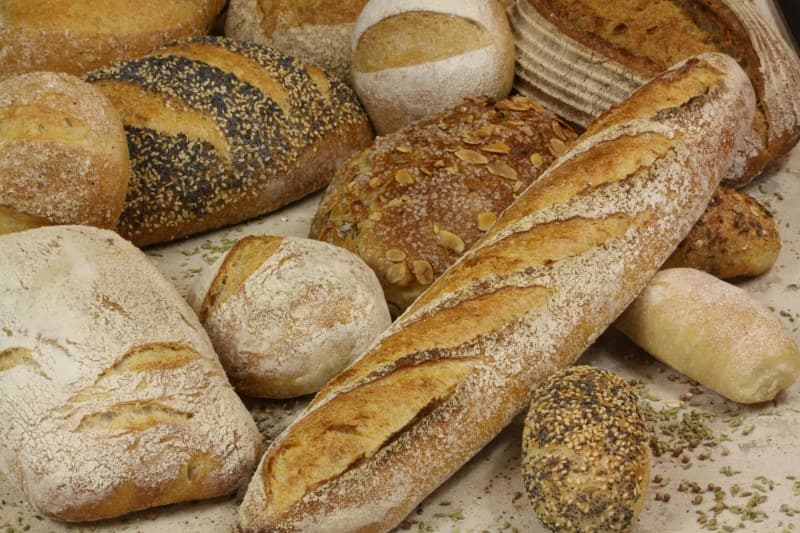
Last week, I brought home a crusty sourdough loaf—golden, crackly, and smelling like fermented wheat heaven. I left it on the counter, and by day three, it was as hard as a brick. My roommate sighed and said, “You should’ve put it in the fridge!” But is that really the right move? Let’s break down the truth about bread storage.
The Big Myth: Refrigerating Bread Keeps It Fresh
Many people swear by refrigerating bread to extend its life, but here’s the science: cold temperatures speed up starch retrogradation—the process where starch molecules in bread recrystallize, turning soft crumb into a stale, crumbly mess. So the fridge actually makes bread go stale faster, not slower.
How Different Storage Methods Stack Up
Let’s compare the most common ways to store bread so you can pick the best option for your loaf:
| Storage Method | Pros | Cons | Best For |
|---|---|---|---|
| Counter (paper bag) | Retains crust crispness, easy access | Stales in 2-3 days | Crusty artisanal loaves (sourdough, baguette) |
| Fridge | Slows mold growth | Speeds staling, loses crust texture | None (avoid unless mold is a critical issue) |
| Freezer (airtight bag) | Keeps fresh for 3-6 months | Requires thawing, minor crust texture loss | All bread types (slice first for easy use) |
| Bread box | Balances humidity, retains softness | Takes up counter space | Soft breads (sandwich loaves, rolls) |
7 Bread Storage Myths Debunked
- Myth 1: Refrigerating bread keeps it fresh → Truth: It accelerates staling.
- Myth 2: Plastic bags are best for crusty bread → Truth: They trap moisture, turning crisp crusts soft.
- Myth 3: Sourdough lasts way longer than regular bread → Truth: It lasts 1-2 days more (acidic environment slows mold).
- Myth4: Freezing sliced bread ruins it → Truth: Freeze in airtight bags; thaw slices in the toaster for fresh-tasting bread.
- Myth5: Bread boxes are outdated → Truth: They’re perfect for soft breads (regulate humidity to prevent staling).
- Myth6: Moldy bread is safe if you cut off the mold → Truth: Mold spores spread deep; discard the whole loaf.
- Myth7: All bread needs the same storage → Truth: Crusty vs soft bread require different methods (see table).
A Classic Take on Bread
“Bread is the staff of life.” — Julia Child
Julia Child understood bread’s role as a daily staple. Storing it properly honors that—ensuring every slice is as delicious as the day you bought it, whether you’re making toast or a sandwich.
Q&A: Common Bread Storage Questions
Q: Can I revive stale bread?
A: Yes! For crusty loaves: Sprinkle with water, wrap in foil, and bake at 350°F (175°C) for 5-10 minutes. For soft loaves: Wrap in a damp paper towel and microwave for 10-15 seconds (don’t overdo it—you don’t want soggy bread).
Practical Tips for Specific Bread Types
Not all bread is created equal—here’s how to store your favorites:
- Crusty sourdough/baguette: Paper bag on the counter (no plastic!).
- Soft sandwich loaf: Bread box or airtight container (keep on counter).
- Sliced whole grain: Freeze in airtight bags; take slices as needed.
- Artisanal rolls: Paper bag; reheat in oven for 2 minutes to restore warmth.
By ditching these myths and using the right storage methods, you’ll waste less bread and enjoy every bite—fresh, crusty, or soft, just as it was meant to be.