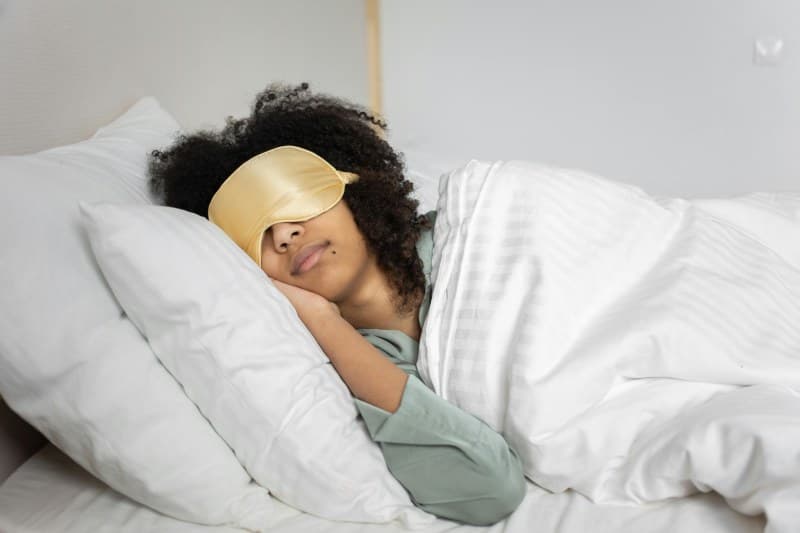
Last month, my friend Lila told me she was stressed because she wasn’t getting exactly 8 hours of sleep every night. She’d lie awake counting minutes, convinced she was ruining her health. But here’s the thing: that “8-hour rule” is one of the most persistent sleep myths out there. And it’s not the only one holding people back from good rest.
5 Sleep Myths That Are Messing With Your Zzzs
Let’s break down the myths that might be sabotaging your sleep, plus simple fixes to turn things around.
Myth 1: You Must Get 8 Hours of Sleep Every Night
Many of us grow up hearing this rule, but it’s not one-size-fits-all. The National Sleep Foundation recommends 7-9 hours for adults, but some people thrive on 6, while others need 10. Lila, for example, found that 7.5 hours left her feeling more rested than forcing 8.
Fix: Track your sleep for a week (using a journal or app) to see how much you naturally sleep when you don’t set an alarm. Aim for that range consistently.
Myth 2: Napping Makes You Lazy
Short naps (20-30 minutes) aren’t a sign of laziness—they’re a quick way to boost alertness and focus. A 2021 study in the Journal of Sleep Research found that napping improved cognitive performance in adults.
Fix: Nap early in the afternoon (before 3 PM) to avoid disrupting your nighttime sleep.
Myth 3: Alcohol Helps You Fall Asleep Faster
While alcohol might make you drowsy, it disrupts deep sleep (the restorative stage) and increases nighttime awakenings. My cousin learned this the hard way: after a glass of wine before bed, she’d wake up at 3 AM and struggle to get back to sleep.
Fix: Avoid alcohol at least 3 hours before bedtime.
Myth 4: Hitting Snooze Is Harmless
When you hit snooze, you’re entering a new sleep cycle that you won’t finish. This leaves you feeling groggy (a state called sleep inertia) for hours.
Fix: Place your alarm across the room so you have to get up to turn it off.
Myth 5: You Can “Catch Up” on Sleep Over the Weekend
Sleeping in on weekends throws off your circadian rhythm (your body’s internal clock). This can lead to Monday morning grogginess and make it harder to fall asleep the next night.
Fix: Keep your sleep and wake times within 30 minutes of each other, even on weekends.
Myth vs. Fact: A Quick Comparison
Here’s a handy table to keep these myths straight:
| Myth | Fact | Quick Fix |
|---|---|---|
| 8 hours is mandatory | 7-9 hours is the recommended range for adults | Track your natural sleep duration |
| Napping is lazy | Short naps boost alertness | Nap before 3 PM |
| Alcohol helps sleep | Alcohol disrupts deep sleep | Avoid alcohol 3+ hours before bed |
| Hitting snooze is okay | Snoozing causes sleep inertia | Place alarm across the room |
| Weekend sleep catches you up | It disrupts circadian rhythm | Stick to consistent sleep times |
Wisdom From the Ages
Sleep is the best meditation. — Dalai Lama
This quote reminds us that sleep isn’t just a break from the day—it’s a vital part of our well-being. When we prioritize rest, we’re investing in our mental and physical health.
FAQ: A Common Sleep Question
Q: Is it okay to use a white noise machine every night?
A: Yes! White noise machines (or apps) mask disruptive sounds like traffic or neighbors, helping you fall asleep faster and stay asleep longer. Just keep the volume low (below 50 decibels) to avoid hearing damage over time.
At the end of the day, good sleep isn’t about following strict rules—it’s about listening to your body. By debunking these myths, you can create a sleep routine that works for you.