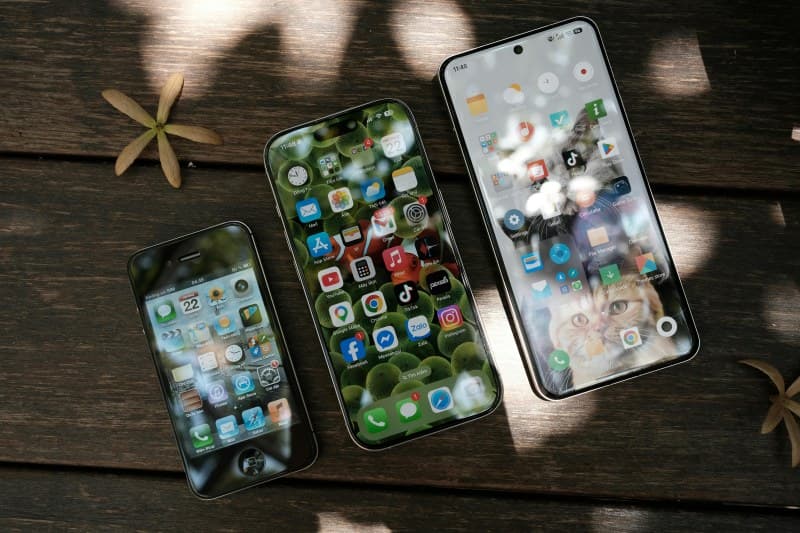
Last month, my friend Lila dropped her new iPhone 15 from her kitchen table onto tile flooring. The cringe-worthy sound made us hold our breath—but when she picked it up, the tempered glass protector was spiderwebbed with cracks, and the actual screen underneath was flawless. That moment made me realize how many people still dismiss screen protectors as unnecessary. Let’s break down the truth and debunk some persistent myths.
Is It True Screen Protectors Are Useless? The Truth
The short answer: No. Modern phones have tough glass (like Corning Gorilla Glass), but they’re not invulnerable. Screen protectors add an extra layer of defense against scratches, cracks, and smudges. They’re especially handy if you carry your phone in a pocket with keys or coins, or if you’re prone to fumbling with your device.
6 Common Screen Protector Myths Debunked
- Myth 1: Gorilla Glass makes protectors obsolete
Gorilla Glass is scratch-resistant, but not scratch-proof. It can get scratched by quartz (found in sand) or metal keys. A protector acts as a sacrificial layer—so if it gets damaged, you replace it instead of the phone screen.
- Myth 2: All protectors are the same
Far from it. Tempered glass is thick and offers shatter protection; plastic PET is thin and good for scratches but not drops; liquid protectors are invisible but only add minor scratch resistance.
- Myth3: Liquid protectors work as well as physical ones
Liquid protectors are coatings that fill micro-scratches, but they don’t prevent major scratches or shattering. They’re a temporary fix, not a replacement for physical protectors.
- Myth4: Protectors ruin touch sensitivity
High-quality tempered glass protectors are ultra-thin (0.3mm or less) and maintain full touch sensitivity. Cheaper ones might have issues, but reputable brands won’t.
- Myth5: Removing a protector damages the phone
If you peel it off slowly and gently, it won’t harm the screen. Some adhesives leave residue, but that can be wiped off with a microfiber cloth and isopropyl alcohol.
- Myth6: Expensive protectors are a waste
Cheaper protectors might bubble, peel, or not fit properly. Expensive ones (with anti-glare or blue light filters) often have better adhesive, fit, and durability—worth it for long-term protection.
Types of Screen Protectors: A Quick Comparison
Not sure which type to pick? Here’s a breakdown:
| Type | Scratch Resistance | Shatter Protection | Touch Sensitivity | Cost Range |
|---|---|---|---|---|
| Tempered Glass | High | Yes | Excellent | $5–$20 |
| Plastic (PET) | Medium | No | Good | $2–$10 |
| Liquid | Low | No | Perfect (invisible) | $10–$15 |
A Classic Wisdom to Remember
“An ounce of prevention is worth a pound of cure.” — Benjamin Franklin<>
This old saying applies perfectly here. A $10 screen protector can save you from a $200+ screen repair. It’s a small investment for peace of mind.
FAQ: Your Screen Protector Questions Answered
Q: Do I need a screen protector if my phone has Gorilla Glass?
A: Yes. Gorilla Glass is tough, but it’s not indestructible. A protector adds an extra layer against scratches and drops—like when you drop your phone on concrete, the protector might crack instead of the screen.
Q: How often should I replace my screen protector?
A: Replace it if it’s cracked, scratched, or peeling. For tempered glass, this could be every 6–12 months; plastic protectors might need replacing more often.
Final Tips for Choosing a Screen Protector
- Opt for tempered glass if you want shatter protection.
- Check compatibility with your phone model (especially curved screens).
- Avoid cheap protectors—they might not fit well or offer good defense.
- Apply carefully to avoid bubbles (use the included guide or ask a pro).