Meet Sarah: a busy mom who thought she needed a gym membership to get strong. She tried squeezing in workouts between school drop-offs and work deadlines, but the gym’s schedule never fit. Then she discovered bodyweight training—no equipment, no commute, just 10 minutes a day. Two months later, she could carry her 4-year-old up three flights of stairs without huffing, and her favorite jeans fit like they did before kids. Sound too good to be true? Let’s break down how bodyweight training works, debunk common myths, and give you tips to start.
What Is Bodyweight Training, Anyway?
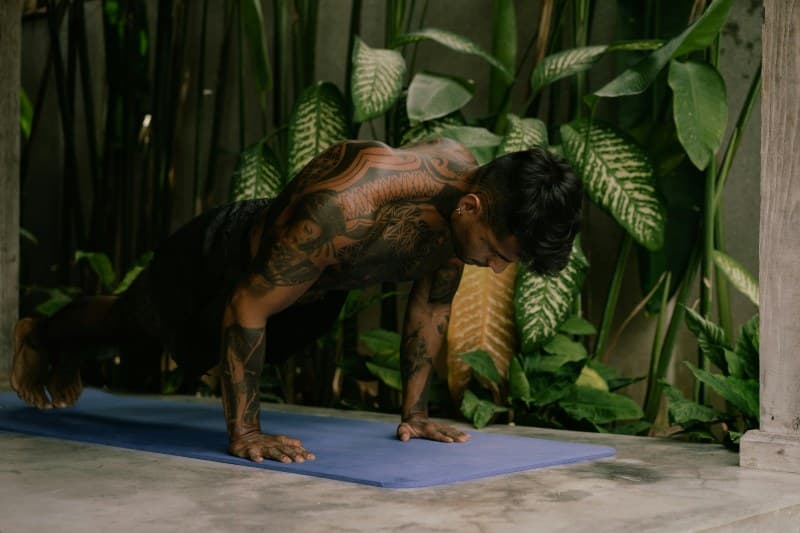
Bodyweight training is exactly what it sounds like: using your own body as resistance to build strength, endurance, and flexibility. Think push-ups, squats, planks, lunges—exercises you can do anywhere, anytime. It’s not just for beginners; pro athletes use it to stay in shape, too.
7 Common Myths About Bodyweight Training (Debunked)
Let’s set the record straight with this quick comparison:
| Myth | Fact | Why It Matters |
|---|---|---|
| Only for beginners | Advanced variations (one-arm push-ups, pistol squats) challenge pros. | You can keep progressing without weights. |
| Can’t build muscle | Progressive overload (harder variations) builds lean muscle. | No gym equipment needed to get stronger. |
| No need to warm up | Dynamic stretches (arm circles, leg swings) prevent injury. | Full-body moves require warm-ups to stay safe. |
| Must do high reps | Lower reps with harder variations (diamond push-ups) are better for strength. | Quality over quantity wins. |
| Only for upper body | Squats, lunges, glute bridges target lower body. | Full-body workouts are possible. |
| Not effective for weight loss | Compound moves (burpees, mountain climbers) boost metabolism. | Great for weight management. |
| Requires no form focus | Poor form (rounded back in push-ups) leads to injury. | Proper form ensures results and safety. |
Key Benefits of Bodyweight Training
- ✨ Accessible: Do it at home, park, or hotel—no equipment needed.
- 💪 Functional Strength: Builds strength you use in daily life (carrying groceries, lifting kids).
- 🧘 Flexibility: Many exercises improve mobility (e.g., downward dog, lunges).
- ⏱️ Time-Saving: 10-15 minute workouts can be just as effective as longer gym sessions.
Quick Start Tips for Beginners
Ready to try it? Here’s how to start:
- Start small: Do 5 squats, 3 push-ups (knee if needed), and 10-second plank daily.
- Focus on form: Watch a quick video to make sure you’re doing exercises correctly.
- Mix it up: Add a new exercise each week (e.g., tricep dips using a chair).
- Be consistent: Even 5 minutes a day is better than nothing.
“It does not matter how slowly you go as long as you do not stop.” — Confucius
This quote is perfect for bodyweight training. You don’t need to be perfect on day one. Sarah started with 10 minutes a day, and over time, those small efforts turned into big results. Consistency beats intensity every time.
FAQ: Your Burning Questions Answered
Q: Can I build muscle with only bodyweight training?
A: Yes! The key is progressive overload. For example, start with knee push-ups, then move to standard push-ups, then diamond push-ups, then one-arm push-ups. Each step increases the difficulty, which helps build muscle.
Q: How often should I do bodyweight training?
A: Aim for 3-4 days a week, with rest days in between. Your muscles need time to recover and grow, so don’t overdo it.
Bodyweight training is a game-changer for anyone who wants to get fit without the hassle of a gym. Whether you’re a busy parent, a student, or just someone who hates commuting, it’s an accessible way to build strength and confidence. So grab a mat (or use your living room floor) and give it a try—you might be surprised at what your body can do.