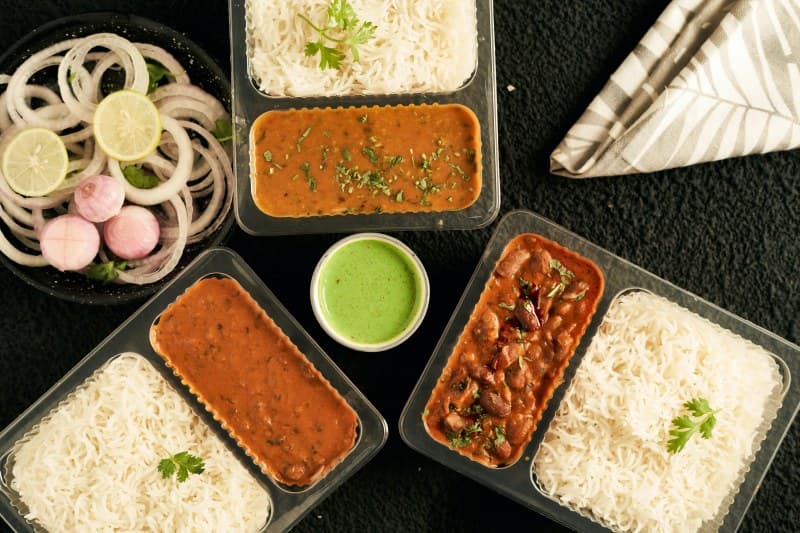
Last Sunday, I had a huge family lunch: roasted chicken, creamy mashed potatoes, and a slice of warm apple pie. By the time we cleared the plates, I was fighting to keep my eyes open. I wanted to play board games with my niece, but all I could think about was napping on the couch. Sound familiar? That post-meal drowsiness (often called a food coma) is super common, but it doesn’t have to ruin your afternoon.
Why Does Post-Meal Drowsiness Happen?
When you eat, your body redirects blood flow from your brain and muscles to your digestive system to break down food. This shift can leave you feeling sluggish. But there’s more: certain foods (like refined carbs) trigger insulin, which helps tryptophan—an amino acid found in turkey, eggs, and nuts—enter the brain. Tryptophan turns into serotonin, then melatonin, the hormones that regulate sleep. Overeating makes this worse because your body has to work overtime to digest all that food.
“Moderation is the key to lasting enjoyment of any good thing.” — Epicurus
Epicurus’s wisdom hits home here. Overindulging in heavy meals leads to that deep slump, but eating in moderation can help you avoid it. Even small adjustments, like skipping the second helping of pie, can make a big difference.
3 Science-Backed Ways to Beat Post-Meal Drowsiness
Let’s compare the three most effective methods to stay alert after eating:
| Method | How It Works | Time to Effect | Pros | Cons |
|---|---|---|---|---|
| Take a short walk | Boosts blood flow to both gut and brain; reduces insulin spikes | 5-10 minutes | Free, easy, improves digestion | May not be feasible if stuck at a desk |
| Choose protein-rich snacks | Balances carbs; slows sugar absorption | 10-15 minutes | Keeps you full longer; stabilizes energy | Requires planning ahead |
| Stay hydrated | Prevents dehydration (worsens drowsiness); aids digestion | Immediate | Quick, accessible | Too much water can cause discomfort |
For example, last week I tried the short walk trick after a pasta lunch. I walked around the block for 10 minutes, and by the time I got back to my desk, I was wide awake—no more yawning through my afternoon meetings. Another trick: keeping a small bag of almonds at my desk. If I feel drowsy after lunch, a handful of almonds (protein + healthy fats) helps me stay focused.
Q&A: Common Questions About Post-Meal Drowsiness
Q: Is post-meal drowsiness always a sign of overeating?
A: Not necessarily. Even a balanced meal can cause mild drowsiness because of blood flow shifts. But overeating (especially heavy carbs or fats) makes it more intense. If it happens every time you eat—even small meals—it might be worth talking to a healthcare provider to rule out issues like low blood sugar or thyroid problems.
Final Tips to Prevent Food Comas
To avoid that post-meal slump altogether, try these small changes:
- Eat smaller, more frequent meals instead of one big lunch.
- Opt for whole grains (like quinoa or brown rice) over refined carbs (white bread, pasta).
- Avoid sugary drinks with meals—they spike insulin and make drowsiness worse.