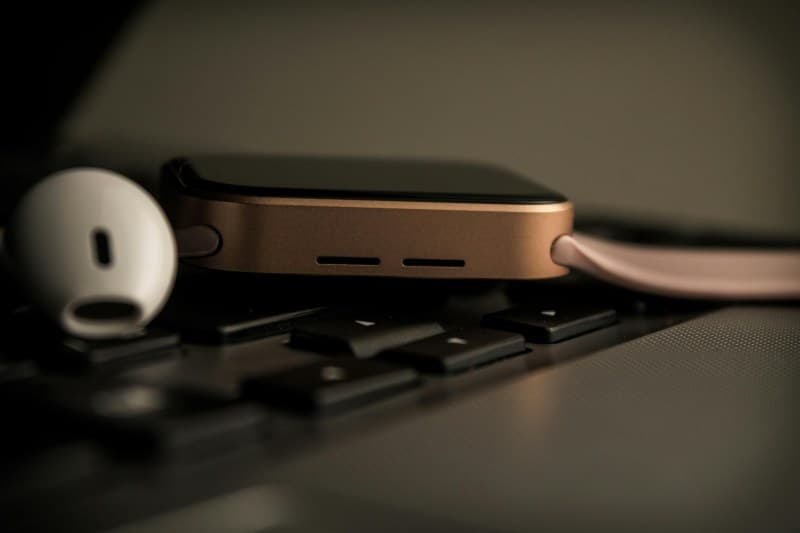
When Lila got her first smartwatch, she thought it was just for counting steps and logging workouts. But one Tuesday morning, it buzzed with an unexpected alert: her resting heart rate was 120 bpm—way above her usual 70. She visited a doctor, who caught an early sign of arrhythmia. That’s when she realized her watch was more than a fancy accessory—it was a lifeline.
Are Smartwatches Just Fitness Trackers? The Real Story
Smartwatches have come a long way from their early days as step counters. Today, they’re pocket-sized personal assistants, health monitors, and communication tools rolled into one. For busy professionals, they send calendar reminders and let you answer texts without pulling out your phone. For seniors, they offer fall detection and emergency SOS buttons. And yes, they still track fitness—but that’s just the tip of the iceberg.
5 Smartwatch Myths (And Their Surprising Truths)
Let’s bust the most persistent myths about smartwatches:
| Myth | Reality |
|---|---|
| Smartwatches are only for gym rats. | They help with daily productivity (like grocery list reminders) and family connectivity (kids’ watches track location). |
| Battery life is always terrible. | Basic models (Apple Watch SE) last 18-24 hours; fitness-focused ones (Garmin Instinct) can last weeks. |
| Health data isn’t accurate enough. | For heart rate and sleep, they’re 80-90% accurate—good for everyday monitoring (not medical diagnosis). |
| You need a premium watch for useful features. | Budget models (Fitbit Versa 4) offer core features: step tracking, heart rate, and smartphone alerts. |
| Smartwatches are just for young people. | Seniors use them for fall detection—many models auto-call emergency services if a fall is detected. |
Beyond Fitness: How Smartwatches Enhance Daily Life
Smartwatches bridge the gap between your phone and your day-to-day. Imagine you’re cooking: your watch buzzes with a text from your kid, and you reply with a quick voice note without wiping your hands. Or you’re running late to a meeting: your watch reminds you to leave 10 minutes early because traffic is bad. These small moments add up to less stress and more focus.
“Technology is best when it brings people together.” — Matt Mullenweg
This quote perfectly sums up smartwatches. They keep you connected to loved ones without the distraction of a full phone. For example, a grandparent can call their grandchild with a tap on their wrist, or a parent can check their kid’s location while at work—all without fumbling for a phone.
Real-Life Safety: Robert’s Story
Last year, 72-year-old Robert fell in his kitchen while making tea. His smartwatch detected the fall and immediately called his daughter and local emergency services. By the time paramedics arrived, his daughter was already there to help. Without the watch, Robert might have been stuck on the floor for hours. This is the kind of impact smartwatches have beyond fitness.
FAQ: Your Smartwatch Questions Answered
Q: Can a smartwatch replace my phone?
A: No, but it’s a great companion. You can make calls, send texts, and use apps like Spotify, but you’ll still need your phone for heavy tasks (like editing documents or browsing the web).
Q: Are smartwatches waterproof?
A: Most modern models are water-resistant (up to 50 meters), so you can wear them while swimming or showering. Always check the manufacturer’s specs to be sure.
Smartwatches are evolving fast, and their uses keep expanding. Whether you’re a busy professional, a parent, or a senior, there’s a smartwatch that fits your needs. Don’t let myths hold you back from exploring what they can do—you might be surprised at how much they enhance your daily life.