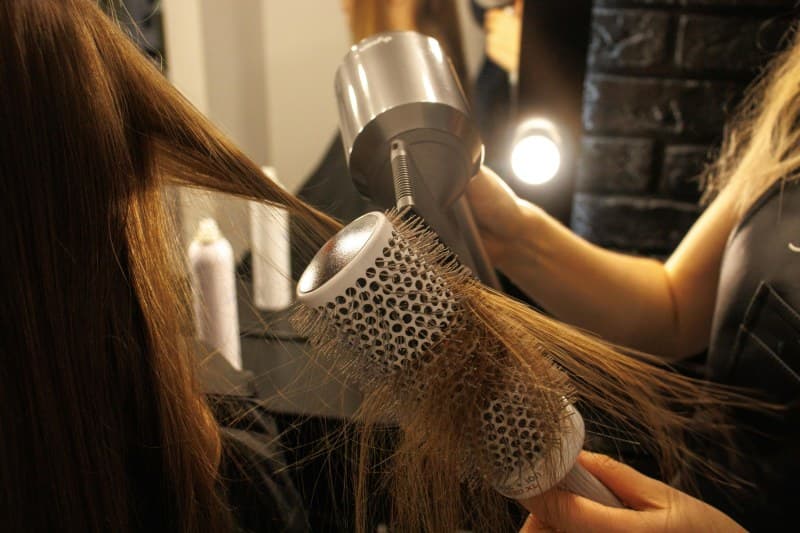
Mia’s curly hair had been feeling brittle for months. She tried every hydrating mask on the shelf—from drugstore to high-end—but nothing stuck. Then a stylist told her: she wasn’t using the right type. Mia needed a protein mask to repair her damaged strands, not just add moisture. That’s the thing about hair masks: picking the right one makes all the difference. Let’s break down the four most common types, so you don’t make the same mistake.
Why Hair Masks Are More Than Just a Luxury
Hair masks are like a deep conditioning treatment on steroids. They penetrate the hair shaft to fix damage, add moisture, or clarify buildup. As Lalah Delia once said:
Self-care is how you take your power back.For many, a 10-minute hair mask session is a small act of self-care that leaves hair feeling softer and looking healthier.
The 4 Key Hair Mask Types (And Which One Is For You)
Not all masks are created equal. Here’s a quick comparison to help you choose:
| Mask Type | Best For | Budget Range | Key Benefit | Application Tip |
|---|---|---|---|---|
| Hydrating | Dry, frizzy, or color-treated hair | $5–$30 | Adds moisture to parched strands | Leave on for 15-20 mins; use a shower cap for extra absorption |
| Protein | Damaged, brittle, or heat-styled hair | $10–$40 | Repairs split ends and strengthens hair | Don’t overuse—1x/week max to avoid stiffness |
| Clarifying | Oily or product-heavy hair | $8–$25 | Removes buildup from styling products | Use before shampooing; leave on for 5 mins |
| Oil-Based | Thick, coarse, or curly hair | $12–$50 | Nourishes and adds shine | Apply overnight for deep conditioning (use a pillowcase protector) |
Pro Tips for Applying Hair Masks
Even the best mask won’t work if you apply it wrong. Here are a few tricks:
- Start with damp (not soaking wet) hair—this helps the mask spread evenly.
- Focus on the ends: They’re the oldest and most damaged part of your hair.
- Rinse with cool water: It seals the cuticle and locks in moisture.
Quick Q&A: Your Hair Mask Questions Answered
Q: Can I make my own hair mask at home?
A: Absolutely! For example, a banana and honey mask is great for hydration (mashed banana + 1 tbsp honey + 1 tbsp coconut oil). Just make sure to rinse thoroughly to avoid residue.
Final Thoughts
Mia started using a protein mask once a week, and within a month, her curls were bouncy again. The key was understanding her hair’s needs. Whether you’re dealing with dryness, damage, or buildup, there’s a mask out there for you. Take 10 minutes this week to give your hair some love—you’ll thank yourself later.