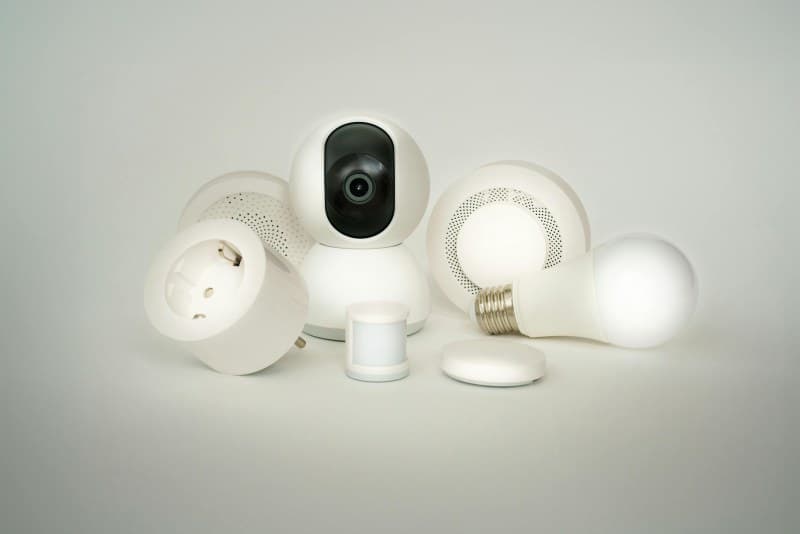
Last week, my neighbor unplugged her Alexa and stashed it in a closet. She’d heard a rumor that Amazon was secretly recording every word she said and selling the data to advertisers. Sound familiar? Smart home assistants are everywhere, but they’re wrapped in myths that make people nervous or underuse their full potential.
4 Myths About Smart Home Assistants You Need to Stop Believing
Myth 1: They’re always listening and recording
Many people think their assistant is eavesdropping 24/7. The truth? Smart assistants only start recording when they hear their wake word (like “Alexa” or “Hey Google”). Before that, they’re just listening for the wake word—no audio is stored or sent to the cloud.
Myth 2: They’re only for tech-savvy people
My grandma, who struggles with her smartphone, uses Google Home daily to play old hymns, set cooking timers, and check the weather. You don’t need to code or troubleshoot to use these tools—simple commands are all it takes.
Myth 3: They’re a huge privacy risk (with no fixes)
While privacy is a valid concern, most assistants let you control your data. You can delete voice recordings, turn off history tracking, and even use guest mode to prevent strangers from accessing your personal info.
Myth 4: They don’t get better over time
Smart assistants learn from your usage. For example, if you ask Alexa to “play my workout playlist” every morning, it’ll start suggesting similar music. They also receive regular updates to improve accuracy and add new features.
How Major Assistants Stack Up on Key Features
Let’s compare three popular assistants on features that matter most for privacy and usability:
| Feature | Alexa | Google Home | Siri |
|---|---|---|---|
| Wake word customization | Yes (5 options) | Yes (3 options) | Yes (2 options) |
| Voice history deletion | Easy (one-tap delete) | Easy (auto-delete options) | Moderate (manual deletion) |
| Guest mode | Yes | Yes | No |
| Multi-user recognition | Yes | Yes | Yes |
Wisdom About Technology and Trust
“Technology is a useful servant but a dangerous master.” — Christian Lous Lange
This quote reminds us that smart assistants are tools, not bosses. By learning how to adjust their settings and use them mindfully, we can enjoy their benefits without letting them take over.
Real-Life Story: A Mom’s Lifesaver
Sarah, a mom of two, uses Alexa to juggle her busy schedule. She sets reminders for school drop-offs, plays lullabies for her toddler, and even orders groceries with a single command. At first, she worried about privacy, but she now deletes her voice history weekly and uses guest mode when friends visit. “It’s changed how I manage my day,” she says. “I don’t know how I lived without it.”
FAQ: Can I Make My Assistant More Private?
Q: Is there a way to reduce the data my smart assistant collects?
A: Yes! Try these three steps: 1) Turn off voice history in the app settings. 2) Use a unique wake word that’s not easily triggered (like “Ziggy” for Alexa). 3) Unplug the device during private conversations (like family meetings).
Practical Tips to Get the Most Out of Your Assistant
- Customize your wake word to avoid accidental triggers (e.g., “Computer” instead of “Alexa” if your name is Alex).
- Teach it to recognize your family’s voices for personalized results (like playing your kid’s favorite show).
- Use routines (e.g., “Good morning” to get weather, news, and a coffee timer).
- Regularly review and delete your voice history to keep your data safe.
Smart home assistants are here to stay, but there’s no need to fear them. By separating fact from fiction, you can use these tools to make your life easier—without sacrificing your privacy. Remember: You’re in control.