You sit down to finish a work report, open your laptop, and before you know it, you’re switching between 10 tabs: email, a social media feed, a news article, and the report you’re supposed to be writing. An hour later, you’ve barely made progress. Sound familiar? Two often-overlooked digital habits are probably to blame.
The Two Overlooked Habits That Drain Focus
1. Constant Tab Switching 📑
Most of us think we’re multitasking when we switch tabs, but research shows our brains can’t actually do two complex tasks at once. Every time you switch from your report to an email, your brain has to "reorient"—a process that takes 23 minutes on average to get back to full focus, according to a study by the University of California, Irvine.
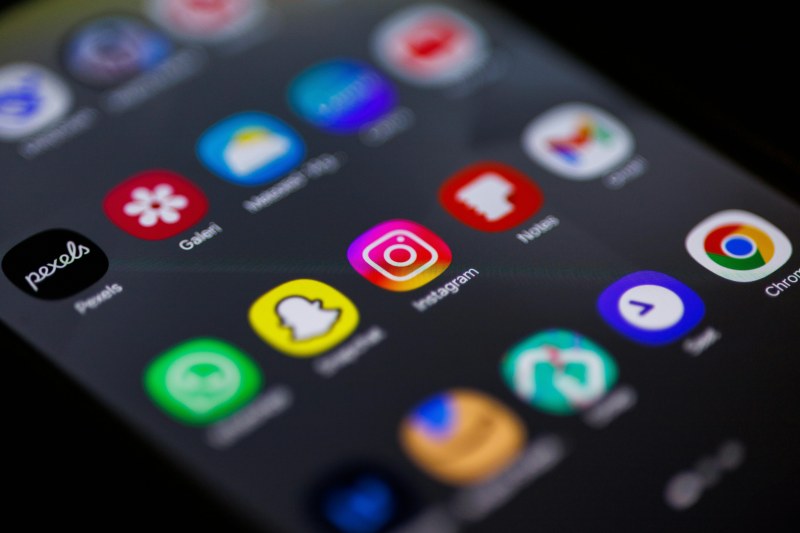
2. Passive Social Media Scrolling 📱
Scrolling through social media "just to take a break" might seem harmless, but passive scrolling triggers your brain’s reward system with random dopamine hits. This makes it hard to return to tasks that don’t give instant gratification, like writing or problem-solving. A 2023 study found that people who scroll passively for 30 minutes a day are 20% less productive than those who use social media intentionally.
Let’s break down each habit, its impact, and quick fixes:
| Habit | Key Impact | Quick Fix |
|---|---|---|
| Constant Tab Switching | 23-minute focus reorientation time; reduced task completion rate | Use tab management tools (like OneTab) or set a timer for 25 mins of single-task work (Pomodoro Technique) |
| Passive Social Media Scrolling | Dopamine dependency; difficulty with delayed gratification tasks | Turn off non-essential notifications; schedule 10-minute intentional social media breaks instead of random scrolling |
"Focus is the art of saying no." — Steve Jobs
Jobs’ words ring true here. Every time you switch tabs or scroll passively, you’re saying yes to distractions instead of focusing on the task at hand. Learning to say no to these small, automatic habits is the first step to regaining control of your productivity.
Take Sarah, a college student who struggled with finishing her essays on time. She noticed she’d switch between her essay tab, Instagram, and YouTube every 5 minutes. After implementing the Pomodoro Technique (25 mins of focused work, 5 min break) and using OneTab to close extra tabs, she cut her essay writing time by 30% and got better grades. "I used to think I needed to be connected to everything at once," she said. "Now I realize focusing on one thing at a time makes me way more efficient."
Common Question: Is It Okay to Check Notifications Every 15 Minutes?
Q: I feel like I need to check my emails and messages often to stay on top of things. Is this hurting my productivity?
A: Yes, even short notification checks disrupt your focus. A study by Microsoft found that it takes an average of 15 minutes to regain focus after a notification. Instead of checking every 15 minutes, set specific times (like 10 AM, 1 PM, and 4 PM) to review emails and messages. This way, you’re in control of when you switch tasks, not your phone.
Debunking Common Myths About Digital Focus
Myth 1: Multitasking Makes You More Productive
Fact: Multitasking (like writing a report while answering messages) actually reduces productivity by up to 40%, according to the American Psychological Association. Your brain is switching between tasks, not doing them at the same time.
Myth 2: Taking More Breaks Means Less Work Done
Fact: Short, intentional breaks (like 5 minutes every 25 mins) boost productivity by preventing burnout. The Pomodoro Technique, which uses this pattern, is a proven way to stay focused longer.
Small changes to your digital habits can make a big difference. By addressing constant tab switching and passive scrolling, you’ll regain control of your focus and get more done in less time. Remember: focus isn’t about working harder—it’s about working smarter.