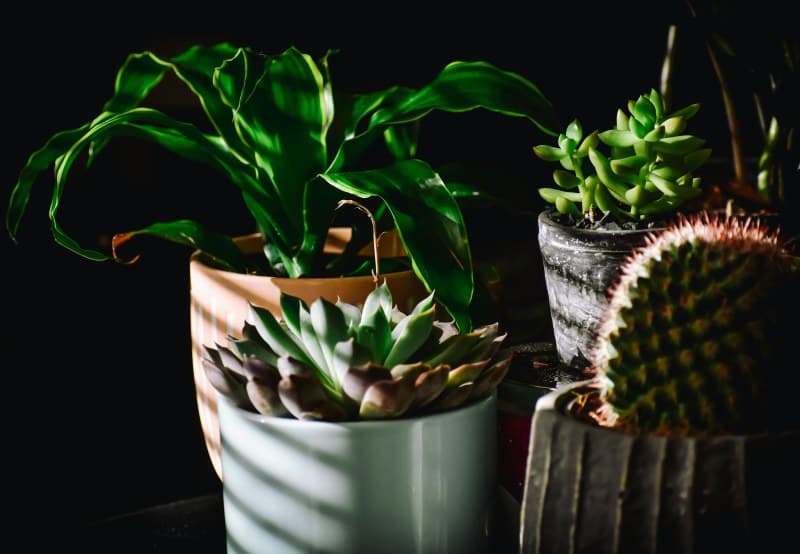
Last month, my neighbor Sarah decided to go green—literally. She started saving every coffee ground from her morning brew and sprinkling them on all her houseplants, thinking it was a magic, zero-cost fertilizer. A week later, her snake plant’s leaves turned yellow, and her ZZ plant looked droopy. She was confused: why did the ‘natural hack’ backfire? Turns out, coffee grounds aren’t one-size-fits-all for plants.
The Truth About Coffee Grounds for Plants
Coffee grounds are slightly acidic (pH 6.2–6.8) and rich in nitrogen, which sounds great—until you realize not all plants love acid. Acid-loving plants thrive on this, but neutral or alkaline-preferring plants can suffer from root burn or nutrient imbalances if you dump grounds directly on their soil. Let’s break down which plants benefit:
| Plant Type | Coffee Ground Suitability | Best Use Case |
|---|---|---|
| Acid-Loving (Azaleas, Ferns, Hydrangeas) | ✅ Yes | Mix into soil or use as top dressing to lower pH |
| Neutral-Preference (Pothos, Spider Plant, Peace Lily) | ⚠️ Only if composted first | Add to compost pile to balance acidity before using |
| Alkaline-Loving (Succulents, Cacti, Snake Plant) | ❌ No | Avoid entirely—can harm root health |
5 Common Houseplant Myths Debunked
Myth 1: Coffee grounds are great for all plants
As Sarah learned, this is false. Only acid-loving plants benefit from direct coffee grounds. For others, composting grounds first neutralizes their acidity, making them safe.
Myth 2: Water plants on a strict schedule
Watering every Sunday might work for some, but not all. Check soil moisture: stick your finger 1–2 inches deep. If it’s dry, water; if not, wait. Overwatering is the #1 killer of houseplants!
Myth 3: More sunlight = healthier plants
Sunlight is important, but too much can scorch leaves. Plants like pothos or ZZ plants prefer indirect light, while succulents need bright, direct sun. Research your plant’s specific needs.
Myth4: Yellow leaves always mean overwatering
Yellow leaves can signal underwatering, nutrient deficiency, or even too much sunlight. For example, if the lower leaves turn yellow and feel dry, it’s probably underwatering. If they’re mushy, it’s overwatering.
Myth5: Mist every plant daily for humidity
Misting helps plants like ferns or calatheas, but it’s useless for succulents or cacti (they hate wet leaves!). Instead, use a pebble tray with water for humidity-loving plants.
“To plant a garden is to believe in tomorrow.” — Audrey Hepburn
This quote reminds us that caring for plants is a journey of learning. Even if you make mistakes (like Sarah did), adjusting your care based on what your plants tell you will help them thrive.
Quick Q&A
Q: Can I use leftover tea bags for my plants instead of coffee grounds?
A: Yes! Tea bags are also slightly acidic, but follow the same rules: compost first for neutral/alkaline plants. Remove the paper bag before using to avoid mold.
Practical Tips to Avoid These Myths
- Test your soil pH with a cheap kit to know which plants can handle acidic amendments.
- Observe your plants daily: yellow leaves, droopiness, or brown tips are signs something’s off.
- Research each plant’s care needs (light, water, soil) before bringing it home.
Caring for houseplants doesn’t have to be complicated. By debunking these myths, you’ll be one step closer to having a thriving indoor garden.