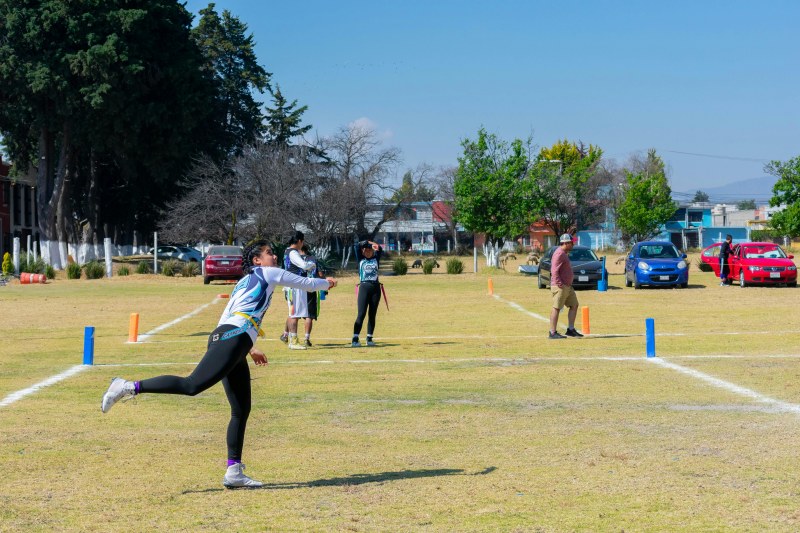
Imagine Lila, 14, lacing up her soccer cleats for the first team practice. When the ball rolls her way, her hands shake—she’s scared to mess up, to let her new teammates down. Sound familiar? For beginners, confidence isn’t just a nice-to-have; it’s the bridge between feeling like an outsider and belonging on the team.
5 Ways to Build Confidence Fast in Team Sports ⚡
1. Master One Small Skill First
You don’t need to be a star overnight. Pick a tiny, specific skill (like dribbling around a cone or serving a volleyball with consistent form) and practice it daily. For Lila, this meant 10 minutes each evening passing the soccer ball to a wall. After a week, she noticed her passes were straighter, and when the ball came her way in practice, she didn’t freeze—she reacted.
2. Volunteer for Low-Pressure Team Roles
Team sports aren’t just about playing the game. Offer to fetch balls during drills, keep score in scrimmages, or lead a quick warm-up. These small tasks let you contribute without the stress of performing. When Lila started bringing extra water bottles to practice, her teammates began greeting her by name—suddenly, she felt like part of the group.
3. Ask a Teammate for Specific Feedback
Find a friendly, experienced teammate and ask a targeted question: “How can I improve my jump shot’s follow-through?” or “What’s the best way to position myself for a pass?” Most players love sharing tips, and their feedback will help you grow. Lila asked her captain about her running form; the captain showed her a small adjustment that made her faster on the field.
4. Celebrate Tiny Wins (Yes, All of Them)
Did you make one good pass in a scrimmage? Did you catch a fly ball you thought you’d miss? Take a second to acknowledge it—even if it’s just a mental high-five. These small wins add up, building a foundation of confidence. Lila started keeping a notebook of her wins; after a month, she had a page full of moments that made her feel proud.
5. Visualize Success Before Practice
Spend 2 minutes before each practice closing your eyes and imagining yourself succeeding. Picture making a perfect pass, scoring a goal, or catching a key play. Visualization trains your brain to feel comfortable in those moments. Lila did this every morning; by her first game, she felt ready to step onto the field.
Method Comparison Table
Here’s how each method stacks up in terms of effort, team impact, and more:
| Method | Effort Level | Team Impact | Pros | Cons |
|---|---|---|---|---|
| Master One Small Skill | Medium | Neutral (builds personal confidence) | Tangible progress, easy to track | Takes consistent daily practice |
| Volunteer for Roles | Low | Positive (builds team connection) | Low pressure, fosters belonging | Doesn’t directly improve game skills |
| Ask for Feedback | Low | Positive (strengthens teammate bonds) | Targeted improvement, builds trust | Requires courage to ask |
| Celebrate Tiny Wins | Low | Neutral (boosts personal morale) | Easy to do, keeps motivation high | May feel silly at first |
| Visualize Success | Low | Neutral (mental preparation) | Quick, no equipment needed | Results take time to show |
Wisdom to Remember
“Confidence comes from discipline and consistency.” — Dwayne Johnson
This quote hits home for beginners. Confidence isn’t something you’re born with—it’s built by showing up, practicing small skills, and being consistent. Every time you put in the work, you’re one step closer to feeling confident on the field.
FAQ: Common Question for Beginners
Q: What if my team doesn’t seem supportive? How do I build confidence then?
A: Focus on your own progress first. Even if your team isn’t as encouraging as you’d like, the small wins you celebrate and skills you master will still boost your confidence. You can also look for a mentor outside the team—like a coach or a friend who plays the sport—to give you feedback and support.
Building confidence in team sports takes time, but these 5 ways will help you get there faster. Remember: every great athlete started as a beginner, and every mistake is a chance to learn. So lace up your cleats, grab your ball, and take that first step—you’ve got this!