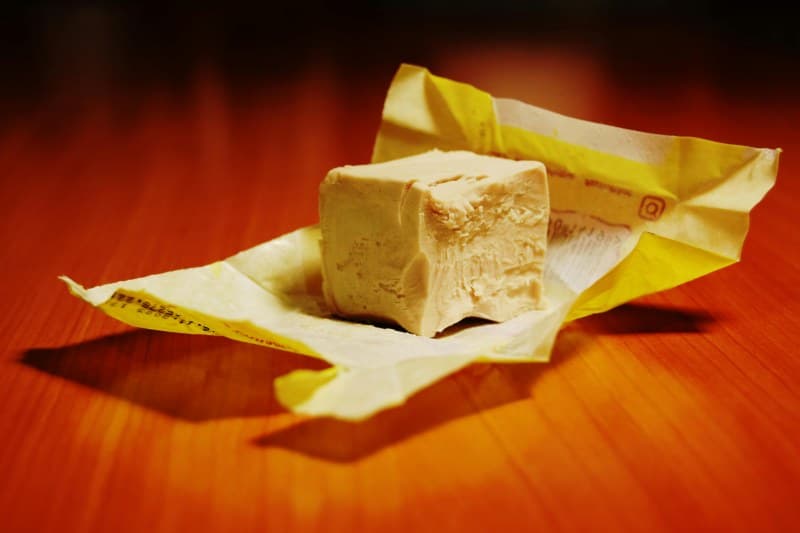
Last weekend, my friend Sarah tried to bake her first sourdough loaf. She mixed yeast with boiling water, added flour, and waited… but nothing happened. The dough sat like a flat, sad pancake. Turns out, she skipped a crucial step: proper yeast activation. If you’ve ever had a bread fail, you know the frustration. Let’s break down how yeast activation works, the key factors that make it or break it, and the myths that trip up even experienced bakers.
What Is Yeast Activation, Anyway?
Yeast is a tiny living fungus that feeds on sugar and produces carbon dioxide (CO₂) gas. This gas gets trapped in dough, making it rise—giving bread its light, fluffy texture. Activation is the process of waking yeast up: you provide it with warm water and a bit of sugar to kickstart its growth. Without this step, yeast stays dormant, and your bread won’t rise.
4 Key Factors for Perfect Yeast Activation 🍞
These four factors are non-negotiable for getting yeast to do its job. Let’s compare them side by side:
| Factor | Role | Ideal Range | Common Mistake |
|---|---|---|---|
| Temperature | Activates yeast enzymes to break down sugar | 105–115°F (40–46°C) | Using boiling water (kills yeast) or cold water (slows growth) |
| Sugar | Provides food for yeast to multiply | 1 tsp per 1 packet (7g) of yeast | Adding too much sugar (slows yeast growth) |
| Time | Allows yeast to multiply and produce foam | 5–10 minutes | Not waiting long enough (yeast hasn’t activated yet) |
| Water Quality | Yeast needs clean, non-toxic water to thrive | Filtered or tap water (non-chlorinated) | Using chlorinated or hard water (kills or inhibits yeast) |
Common Myths About Yeast Activation Debunked
Let’s bust some of the most persistent myths:
- Myth 1: Hot water is better for activation. No! Water above 120°F (49°C) kills yeast. Stick to lukewarm.
- Myth 2: Instant yeast doesn’t need activation. Some instant yeast can be mixed directly with flour, but activating it first ensures it’s alive (critical if it’s expired).
- Myth 3: More yeast = faster rise. Excess yeast leads to a dense, off-flavored loaf. Follow the recipe’s measurements.
A Classic Quote to Remember
“The secret of good bread is to make it with love, patience, and the right yeast.” — James Beard
James Beard, the godfather of American cooking, knew that yeast activation isn’t just science—it’s about giving the process time and care. Rushing it (like Sarah did) leads to failure.
Real-World Example: Sarah’s Redo
After her first fail, Sarah tried again. She used a thermometer to get her water to 110°F, added 1 tsp of sugar, and stirred in the yeast. She waited 10 minutes until the mixture foamed (a sign yeast was active). Then she mixed it with flour and let the dough rise for 2 hours. The result? A crusty, fluffy sourdough loaf that smelled like heaven. She even brought a slice to my house—delicious!
FAQ: Your Yeast Questions Answered
Q: Can I use expired yeast?
A: Maybe! Test it: Mix 1 tsp yeast with 1/4 cup lukewarm water and 1 tsp sugar. If it foams in 10 minutes, it’s still good. If not, toss it.
Q: What if my yeast doesn’t foam?
A: Check the water temperature (too hot or cold?), expiration date, or water quality. Try again with fresh yeast and filtered water.
Final Tips for Success
To get perfect yeast activation every time:
- Always check the yeast’s expiration date before using.
- Use a thermometer to get water temperature right (no guessing!).
- Wait for the foam—this is your green light to proceed.
- Don’t overdo sugar or yeast—follow the recipe.
With these tips, you’ll never have a flat bread again. Happy baking!