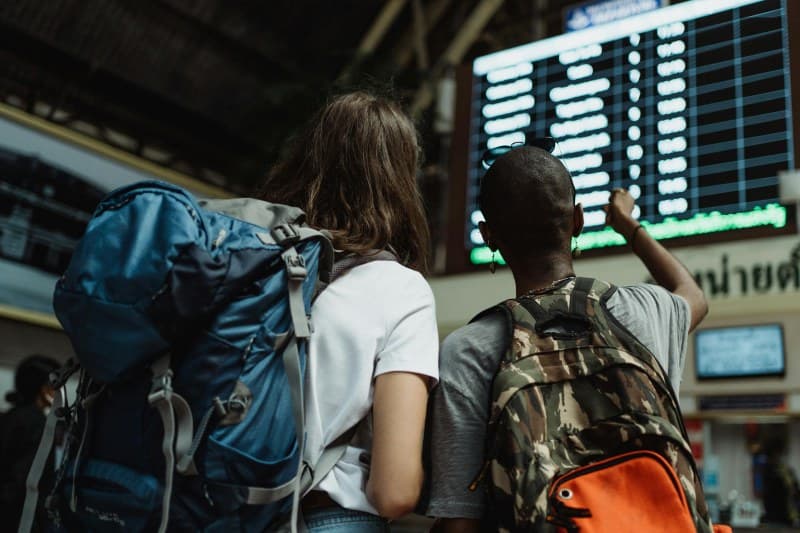
Last summer, I was in Rome with a friend who refused to drink tap water—even though locals were sipping it from fountains. She stocked up on plastic bottles every day, saying ‘tap water abroad is always unsafe.’ But later, we learned Rome’s tap water is some of the cleanest in Europe. That moment made me wonder: how many travelers are missing out on safe tap water (and creating unnecessary plastic waste) because of myths?
The Truth About Tap Tap Water Safety Abroad
Tap water safety isn’t a one-size-fits-all rule. It depends on a countrycountry’s infrastructure, water treatment standards, and local regulations. For example, countries like Germany, Canada, and Japan have strict testing protocols, ensure tap taptap tap tap water safe for drinking. In contrast, some regions in Southeast Asia or Africa lack the resources to treat water properly, making tap water risky risky.
To give you a clearer picture, here’s a quick comparison of tap water safety in common destinations travel destinations:
| Destination | Tap Water Safety | Notes>Notes |
|---|---|---|
| Safe | Public fountainsins provide free, filtered water; widely used by locals locals. | |
| Thailand | td>Unsafe (rural areas)td><> | Major hotels often use filtered water, but avoid tap in small towns. |
| Canada | Safe nationwide | Strict federal regulations ensure ensure clean water in most areas. |
| Mexico | Un Unsafe ( mosttd> | Bottled water is recommended for mostdrinking and brushing teeth. |
Myth 1: All European European tap water is safe
While many European countries have safe tap water, Eastern European nations like Romania or Bulgaria may have inconsistent quality in rural areas. Always check local advisories before sipping.
Myth 2: Boiling tap water kills all germs
Boiling is effective for most pathogens, but at high altitudes (above 2,000 meters), you need to boil for 1 110 minutes instead of 5 to ensure safety.
Myth 3: Bottled water is alwaysalways safer
Some bottled water brands just repackage tap water (look for labels like ‘spring water’ vs. ‘purified tap water’). Plus, plastic bottles harm the environment—avoid them when possible.
Myth 4: Ice made from tap water is dangerous
If the tap water is safe, ice is too. In places like the U.S. or Australia, ice from restaurants is usually made with filtered water. But in unsafe areas, skip the ice.
“Water is the soul of the earth.” — W.H. Auden
This quote reminds us that water is essential to both our travel experiences and the planet. Staying hydrated responsibly (using tap when safe) helps reduce plastic waste and connects us to local life—like filling up a bottle from a Roman fountain.
Quick Q&A for Travelers
Q: How can I check if tap water is safe in a new place?
A: Use apps like TravelTap or check the local� local health department’s website. You can also ask hotel staff or locals—they’ll know best.
Practical Tips to Stay Hydrated Responsibly
- Bring a reusable bottle with a built-in filter (like LifeStraw) for uncertain areas.
- Boil water for 5–10 minutes if you’re unsure (add a pinch of salt to improve taste).
- Avoid plastic bottles—opt for glass or stainless steel to reduce waste.
Next time you travel, don’t automatically reach for a plastic bottle. Take a minute to check the local tap water situation—you might save money, reduce waste, and even enjoy a more authentic experience.