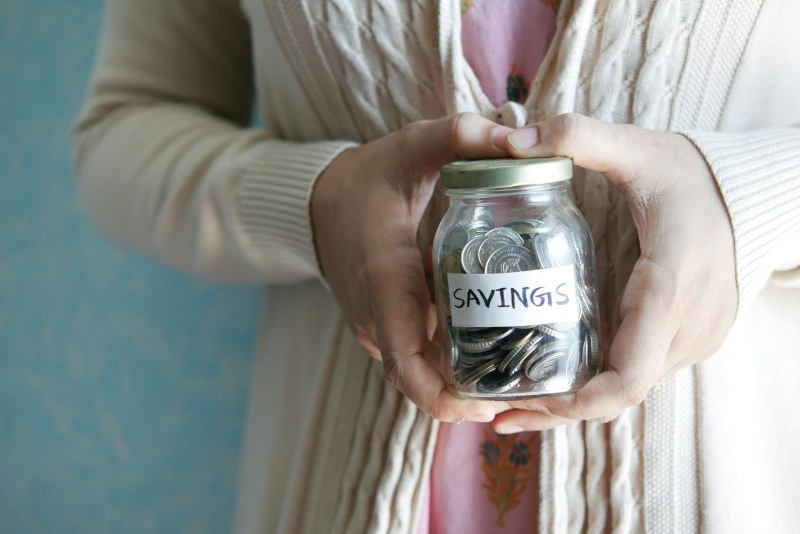
Have you ever felt like you’re doing everything right—putting aside a little money each month, skipping the occasional treat—but your savings account still feels stuck? Let’s say Sarah, a 28-year-old graphic designer, saves $50 every month. After a year, she expects $600, but her account only has $500. She’s confused: where did the missing $100 go? If this sounds familiar, you’re not alone. Many people hit this wall without knowing why.
Why Your Savings Might Be Stuck
Before we fix it, let’s look at common culprits: micro-expenses (those $3 coffees or $5 snack runs that add up), unplanned dips (using savings for a last-minute car repair), or lack of automation (forgetting to transfer money some months). These small issues pile up, making it feel like your savings are going nowhere.
7 Small Shifts to Unstick Your Savings
You don’t need a raise to get your savings moving. Try these tiny changes:
- Automate transfers: Set up a monthly auto-transfer from your checking to savings. No more forgetting—your money grows without effort.
- Track micro-expenses: Use a free app to log every small purchase. Sarah found she spent $45/month on coffee; cutting back to $15 freed up $30 extra for savings.
- Split savings into goals: Instead of one big pot, create separate accounts for emergencies, vacation, or a down payment. This stops you from dipping into vacation savings for unexpected costs.
- Negotiate bills: Call your internet or phone provider to ask for a better rate. Even $20/month saved adds up to $240 a year.
- Use cash for discretionary spending: Put a set amount of cash in an envelope for eating out or shopping. When it’s gone, stop spending.
- Round up purchases: Use a bank app that rounds up every purchase to the nearest dollar and saves the change. A $4.75 coffee becomes $5, with $0.25 going to savings.
- Review and adjust monthly: Spend 10 minutes each month looking at your budget. Did you overspend on groceries? Cut back next month.
Old Habits vs New Shifts: A Quick Comparison
See how small changes make a big difference:
| Old Habit | New Shift | Impact |
|---|---|---|
| Manual savings transfers | Automated transfers | No missed months; consistent growth |
| Ignoring $3 coffee buys | Track micro-expenses | Save $30–40/month extra |
| One big savings pot | Goal-specific pots | Clearer progress; less temptation to dip in |
A Classic Wisdom Check
“Little drops of water make the mighty ocean.” — Traditional Proverb
This saying sums up why small shifts work. You don’t need to save hundreds of dollars at once. Even $10 extra a month adds up to $120 a year, and with compound interest, it grows even more over time.
Real-Life Example: Sarah’s Turnaround
Sarah decided to try two shifts: automating her savings and tracking micro-expenses. She set up a $50 auto-transfer plus an extra $30 from her coffee cutback. After six months, her savings grew by $480—$180 more than her previous pace. She also split her savings into an emergency fund and a vacation pot, so when her car needed a $100 repair, she used the emergency fund instead of dipping into vacation savings. Now, she’s on track to take a weekend trip next year.
FAQ: Can These Shifts Work for Tight Budgets?
Q: I’m living paycheck to paycheck—can these shifts still help?
A: Yes! Start with the smallest shifts: round up purchases (even $0.50 adds up) or automate $5/month. Over time, these tiny changes build momentum. For example, rounding up every purchase might save you $10–15/month without noticing. As you see progress, you’ll find more ways to cut back.
Stuck savings don’t have to stay that way. Try one shift this month—you’ll be surprised at how quickly your account starts to grow.