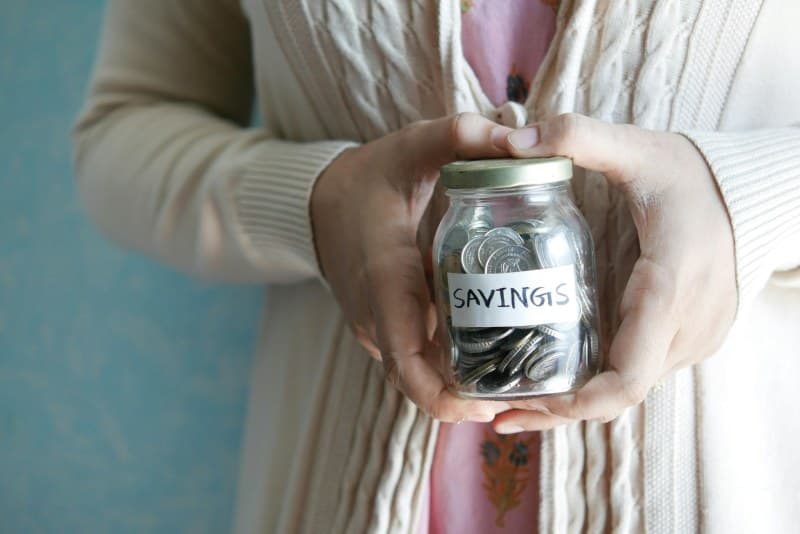
Let’s start with Sarah’s story: Every morning, she grabbed a $4 latte on her way to work. One day, she decided to skip it 3 times a week and put that $12 into a savings account. After a year, she had $624. A decade later, with 5% annual interest, that sum grew to over $1,000. That’s the quiet power of small savings—something many people dismiss as too insignificant to bother with.
The Truth Behind Small Savings
Small savings work because of compound interest: earning interest on both your initial savings and the interest it generates. For example, if you save $100 every month at a 4% annual interest rate, in 20 years you’ll have around $36,000—$14,000 more than the $24,000 you put in. It’s not about how much you start with; it’s about consistency over time.
5 Micro-Saving Myths Debunked
Let’s break down the most common myths and their real-world realities:
| Myth | Truth | Real-World Example |
|---|---|---|
| Small savings are too insignificant to matter | Even $5/day adds up to $1,825/year | Skipping 1 soda ($1) daily = $365/year; invested at 3% for 5 years = ~$1,950 |
| You need a lot of money to start saving | You can start with as little as $1 | Apps like Acorns round up purchases to the nearest dollar and invest the difference |
| Micro-saving means depriving yourself | It’s about choosing small, non-essential cuts | Opting for a homemade lunch ($5) instead of takeout ($15) saves $10/day = $3,650/year |
| Compound interest only works for big sums | It’s most powerful over time, regardless of initial amount | $50/month at 6% for 30 years = ~$50,000 |
| Micro-saving won’t help reach big goals | It’s a steady way to build toward goals | Saving $20/week for a $1,000 vacation takes ~1 year |
Wisdom from the Ages
“Do not save what is left after spending, but spend what is left after saving.” — Warren Buffett
This quote hits home for micro-savers. It’s not about waiting until you have “extra” money to save—it’s about making saving a priority, even if it’s just a few dollars a day. Buffett’s advice reminds us that small, consistent actions lead to big results.
Common Q&A
Q: I live paycheck to paycheck—how can I start micro-saving?
A: Look for hidden small expenses. Cancel an unused $10/month streaming service, switch to generic brands (save $5/week on groceries), or use cashback apps (earn $2-3/day on purchases). Even these tiny amounts add up over time. For example, canceling one subscription and switching to generics saves $10 + $20 = $30/month—$360/year.
Practical Micro-Saving Tips
- 💡 Use round-up apps: Apps like Acorns or Chime automatically round up your purchases to the nearest dollar and invest the difference.
- 💡 Set automatic transfers: Schedule a $5-$10 weekly transfer from your checking to savings account—you’ll barely notice it’s gone.
- 💡 Track small expenses: Use a notebook or app to log daily snacks, coffee, or other small buys. You’ll be surprised how much you can cut.
- 💡 Put windfalls into savings: If you get a $20 gift card or a $50 bonus, add it to your savings instead of spending it.
Micro-saving isn’t about getting rich quick—it’s about building a habit that helps you feel more secure and reach your goals, one small step at a time.