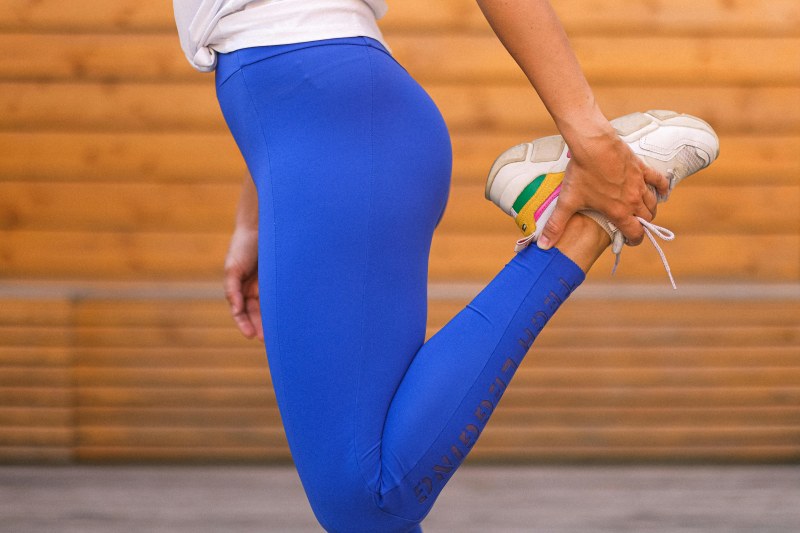
You’re halfway through a set of lunges—legs burning, heart thumping—and suddenly, your quads start quivering like a leaf in the wind. It’s a moment that makes most people pause: Is this normal? Am I pushing too hard? Let’s break down the science behind those shaky muscles and how to handle them.
Why Do Muscles Shake During Workouts?
Shaking muscles mid-workout are usually a sign your body is working hard—not a red flag. Here’s the lowdown: When you exercise, your brain sends signals to motor units (groups of muscle fibers) to contract. As you push toward fatigue, some fibers tire out, so your brain recruits more units to keep going. This switch between tired and fresh fibers causes uncoordinated contractions, which feel like shaking. Other factors include electrolyte imbalances (sweating depletes sodium and potassium) or poor form straining muscles unnecessarily.
7 Ways to Steady Shaking Muscles 💡
Next time your muscles start to quiver, try these simple fixes:
- Pause and Breathe: Holding your breath can tense muscles more. Take 3-5 deep, slow breaths to oxygenate your muscles and calm the tremors.
- Adjust Your Form: Slouching or misaligning your body (like letting knees cave in during squats) adds extra strain. Check your posture—keep core tight and movements controlled.
- Hydrate with Electrolytes: If you’re sweating a lot, drink a sports drink or eat a banana to replenish sodium and potassium.
- Reduce the Load: If the weight is too heavy to maintain form, drop a few pounds. It’s better to do reps with control than to push through shaky, risky movements.
- Slow Down Reps: Fast, jerky reps can amplify tremors. Focus on slow, deliberate movements (e.g., 2 seconds up, 3 seconds down) to stabilize muscles.
- Warm Up Properly: Cold muscles are more prone to shaking. Spend 5-10 minutes doing dynamic stretches (like leg swings or arm circles) before starting your workout.
- Rest Between Sets: Give your muscles 60-90 seconds to recover. Short rests help reduce fatigue and prevent excessive shaking in the next set.
When to Worry About Shaking Muscles
Most of the time, shaky muscles are harmless. But there are cases when you should see a doctor: If the shaking lasts for hours or days after your workout, is accompanied by sharp pain, numbness, or muscle weakness, or happens during low-effort activities (like walking) without a recent workout. These could be signs of a muscle strain, electrolyte deficiency, or other underlying issues.
Normal vs. Concern-Worthy Shaking
Wondering if your shake is normal or a red flag? Here’s a quick comparison:
| Aspect | Normal Workout Shaking | Concern-Worthy Shaking |
|---|---|---|
| Duration | Stops within 5-10 minutes of resting | Lasts for hours or days post-workout |
| Accompanying Symptoms | No pain, numbness, or weakness—just temporary tremors | Sharp pain, tingling, muscle weakness, or swelling |
| Trigger | Occurs during high-intensity sets or near muscle failure | Happens during low-effort movements or at rest without a recent workout |
| Aftermath | Muscles feel fatigued but recover within a day or two | Limits your ability to perform daily tasks or workout again |
At the end of the day, shaky muscles are a sign you’re challenging yourself. Just remember to listen to your body—know when to push and when to pause. Happy lifting! 🏋️