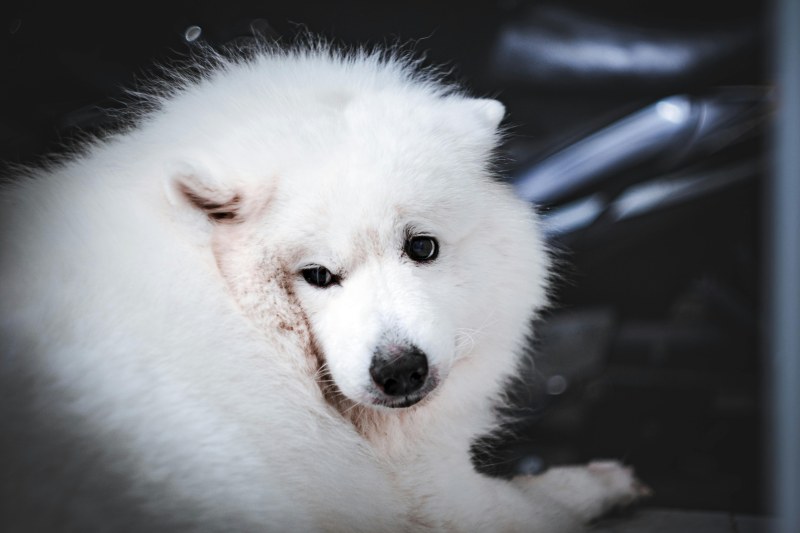
Last year, I brought home a pothos (I thought it was safe!) only to find my golden retriever, Max, munching on a leaf. Panicked, I called the vet—turns out pothos is toxic to dogs. That’s when I started hunting for pet-friendly plants that are hard to kill. After months of trial and error, here are 4 that work for both my messy self and Max’s curious mouth.
4 Pet-Friendly Plants That Thrive (Even for Beginners)🌿
These plants are ASPCA-approved non-toxic for dogs and cats, and they don’t require a green thumb. Here’s how they stack up:
| Plant Name | Light Needs | Water Frequency | ASPCA Pet Safety Rating | Best Space |
|---|---|---|---|---|
| Spider Plant | Bright indirect light | Every 1-2 weeks (let soil dry) | Non-toxic (dogs & cats) | Hanging planter, high shelf |
| Boston Fern | Medium indirect light | Keep soil moist (not soggy) | Non-toxic (dogs & cats) | Bathroom (humid), window sill |
| Parlor Palm | Low to medium indirect light | Every 2-3 weeks (let soil dry) | Non-toxic (dogs & cats) | Desk, corner shelf |
| African Violet | Bright indirect light | Water from bottom (avoid leaves) | Non-toxic (dogs & cats) | Tabletop, window sill |
Myths About Pet-Safe Plants, Debunked💡
- Myth 1: All succulents are pet-safe. Nope—aloe vera and和 jade plants are toxic to pets. Stick to spider plants or haworthia (another safe succulent) instead.
- Myth 2: Pet-safe plants need lots of sunlight. Parlor palms thrive in low-light corners, so even if your home is dim, you can have greenery.
- Myth3: You can’t have plants if your pet chews everything. Spider plant leaves are non-toxic—so even if your cat takes a nibble, it won’t hurt them (though it might mess up the plant’s look).
Space-Saving Hacks for Small Homes🐾
Short on space? Try these tricks:
- Hanging planters: Suspend spider plants from the ceiling—out of reach of jumping cats or curious dogs.
- Wall-mounted shelves: Install narrow shelves high up on walls for parlor palms or African violets.
- Suction cup pots: Stick small pots to windowsills (if your pets don’t jump there) for Boston ferns.
FAQ: Your Pet-Safe Plant Questions Answered
Q: What should I do if my pet eats a pet-safe plant?
A: Most pet-safe plants won’t cause harm, but some pets might have mild stomach upset if they eat a lot. Monitor your pet for signs like vomiting or diarrhea—if symptoms persist, contact your vet. To prevent over-nibbling, try placing plants out of reach or using a pet-safe bitter spray on leaves.
Final Thoughts
“He who plants a tree plants a hope.” — Lucy Larcom
This quote isn’t just about trees—it’s about the joy of nurturing something that grows. For pet owners, choosing pet-safe plants is a way to plant hope for a home where both our furry friends and greenery can thrive. No more worrying about toxic leaves or emergency vet visits—just the calm of watching your spider plant trail and your cat nap nearby. Give these plants a try—you (and your pet) won’t regret it.