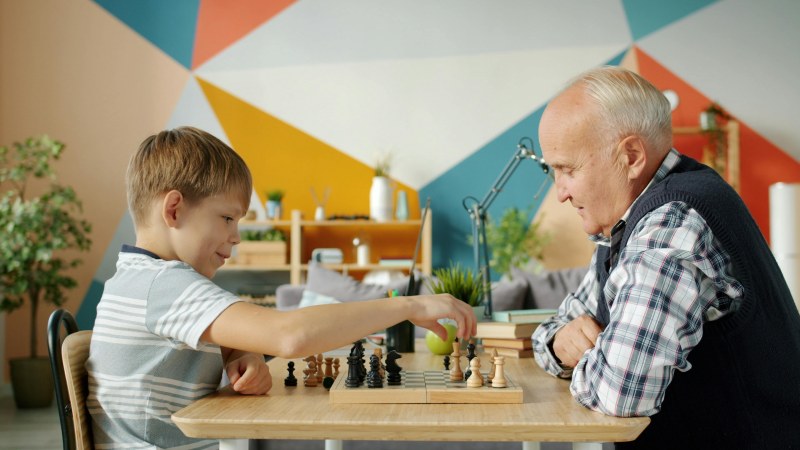
Lisa noticed a shift in her 8-year-old son Jake last month. Once, he’d burst through the door after school, chattering about his math test, the class hamster, and a funny joke his friend told. Now, he mumbled “fine” when she asked how his day was and retreated to his room to play Legos. She worried she was missing something—but didn’t know how to get him to open up again.
Why Kids Clam Up: The Hidden Triggers
Kids don’t shut down to be difficult. More often, they’re dealing with feelings they can’t name or situations they don’t know how to navigate. Common triggers include:
- Sensory overload: A long day of noise, rules, and social interactions can leave them drained.
- Fear of judgment: They might worry you’ll get mad or disappointed if they share a mistake.
- Language gaps: Young kids often lack the words to describe complex feelings like frustration or embarrassment.
To help, it’s key to match your response to their trigger. Here’s a quick guide:
| Common Trigger | Gentle Initial Response |
|---|---|
| Overwhelmed after school | “Want to build Legos with me? No talking required.” |
| Scared of being in trouble | “I won’t get mad—whatever it is, we can fix it together.” |
| Can’t find the right words | “Want to draw how you feel instead?” |
7 Gentle Ways to Help Them Open Up Again
These small, intentional acts can create a safe space for your kid to share:
- Be a quiet presence: Sit with them while they color, play video games, or do homework—no questions. Just being there builds trust.
- Use “I” statements: Instead of “What’s wrong?” try “I noticed you seemed quiet at dinner—want to talk about it?” This avoids making them feel defensive.
- Share your own small struggles: “I had a tough day too—my coffee spilled all over my notes. It made me really frustrated.” This normalizes feelings and invites them to share.
- Ask open-ended questions: Skip yes/no questions like “Did you have fun at recess?” Try “What was the most interesting thing that happened at recess today?”
- Respect their space: If they say “I don’t want to talk,” reply “That’s okay— I’m here whenever you’re ready.” Pressuring them will only make them shut down more.
- Use play to lighten the mood: A game of charades or “would you rather” can help them relax and open up without feeling like they’re being interrogated.
- Celebrate small shares: When they do talk, say something like “Thanks for telling me about that— I love hearing your perspective.” This reinforces that sharing is a good thing.
“We have two ears and one mouth so that we can listen twice as much as we speak.” — Epictetus
This ancient wisdom rings true for parent-child communication. Often, the best thing you can do is listen without interrupting or offering solutions. When kids feel heard, they’re more likely to open up.
Quick Q&A: Common Concern
Q: What if my kid still won’t talk even after trying these tips?
A: Be patient—trust takes time. Keep showing up consistently (like sitting with them during their favorite activity) without pressure. If the silence lasts more than a few weeks, consider checking in with their teacher to see if anything’s happening at school. A child psychologist can also help if you’re worried about underlying issues.
Lisa tried the quiet presence trick with Jake. She sat with him while he built Legos, not saying a word. After 10 minutes, he looked up and said, “We had a fire drill today, and I was scared.” Lisa hugged him and said, “That sounds scary— I’m glad you told me.” From that day on, Jake started sharing small things again, one Lego block at a time.