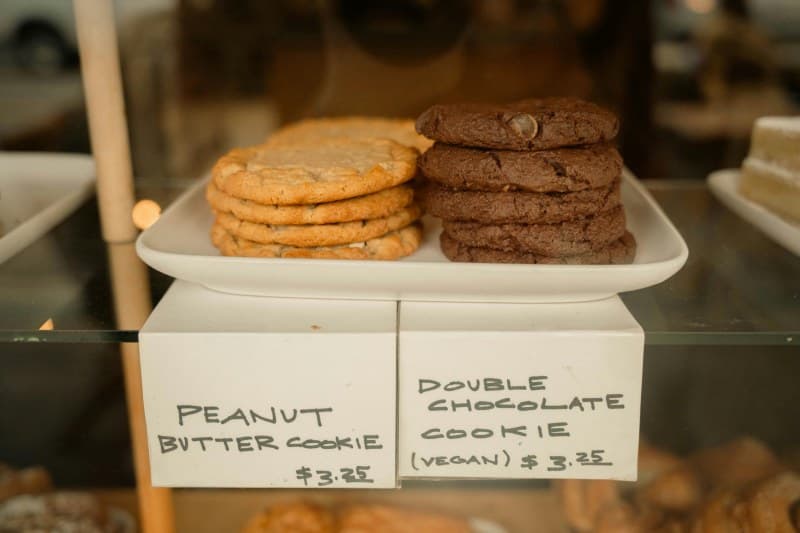
Last weekend, I tried to make chocolate chip cookies for my niece’s 8th birthday. I followed the recipe to the letter, but the result? Flat, burnt-edged disks that tasted more like cardboard than the gooey treats I’d envisioned. I blamed the butter, the oven, even the weather—until I realized I’d fallen for a few common myths about cookie baking. Let’s break down those myths and turn your next batch into something worth celebrating.
5 Myths That Ruin Your Cookie Batches 🍪
Myth 1: Cold Butter Makes Fluffier Cookies
Many bakers think cold butter will trap air when creamed with sugar, leading to light cookies. But the truth? Cold butter doesn’t mix evenly with sugar—you’ll end up with lumps that melt unevenly in the oven, causing dense, uneven cookies. Fix: Let butter sit at room temperature until it’s soft enough to press with your finger (about 68–72°F/20–22°C). This ensures smooth creaming and even spread.
Myth 2: More Sugar = Sweeter, Better Cookies
Adding extra sugar might seem like a good idea, but it’s a recipe for disaster. Sugar is hygroscopic (it absorbs moisture) and melts at high temperatures. Too much sugar makes cookies spread excessively, burn quickly, and taste cloyingly sweet. Fix: Stick to the recipe’s sugar amount. If you want a deeper flavor, add a pinch of sea salt instead of extra sugar.
Myth 3: All Flours Are Interchangeable
Reaching for any flour in the pantry is a mistake. Cake flour is fine and low in protein, leading to soft, tender cookies. All-purpose flour (10–12% protein) is balanced for most recipes. Bread flour (12–14% protein) adds chewiness but can make cookies tough if overused. Fix: Use the flour specified in the recipe. For chewier cookies, swap 1/4 cup all-purpose flour for bread flour.
Myth 4: Chilling Dough Is A Waste Of Time
Skiping dough chilling to save time? Big mistake. Chilling slows down the spread of cookies by solidifying the butter and allowing the flour to absorb moisture. It also deepens the flavor of the dough (think richer chocolate or vanilla notes). Fix: Chill dough for at least 30 minutes (or overnight for best results). For quick chilling, pop the dough in the freezer for 15 minutes.
Myth 5: Oven Temperature Doesn’t Need To Be Exact
Guessing your oven’s temperature is a surefire way to get burnt or undercooked cookies. Most ovens run 25–50°F hotter or colder than the set temperature. Fix: Use an oven thermometer to check accuracy. Preheat the oven for at least 10 minutes before baking to ensure even heat.
Chewy vs Crispy: What You Need To Know
Want chewy cookies? Or crispy ones? Here’s a quick comparison to help you adjust your recipe:
| Aspect | Chewy Cookies | Crispy Cookies |
|---|---|---|
| Butter Temperature | Room temperature (soft) | Cold (grated or cubed) |
| Sugar Type | More brown sugar (moisture-rich) | More white sugar (crystalline) |
| Baking Time | Shorter (9–11 minutes) | Longer (12–15 minutes) |
| Oven Temp | 350°F (175°C) | 375°F (190°C) |
| Dough Chilling | Overnight (deepens flavor) | 30 minutes (prevents spread) |
A Word From The Pros
“The only real stumbling block is fear of failure. In cooking you’ve got to have a what-the-hell attitude.” — Julia Child
Julia’s words ring true for cookie baking. Every mistake teaches you something—like my burnt birthday cookies taught me to check my oven temperature. Don’t let a bad batch stop you from trying again.
FAQ: Common Cookie Baking Questions
Q: Can I substitute oil for butter in cookies?
A: Yes, but it changes the texture. Oil makes cookies moister and chewier, but they won’t have the buttery flavor or crispy edges. For best results, use half oil and half butter—this balances moisture and flavor.
Q: Why do my cookies spread too much?
A: Common causes include warm butter, too much sugar, or an oven that’s too hot. Try chilling the dough, reducing sugar by 1 tbsp, or lowering the oven temp by 25°F.
Final Thoughts
Cookie baking is equal parts science and art. By debunking these myths and following simple fixes, you’ll be able to make perfect batches every time. Whether you prefer chewy, crispy, or something in between, remember: practice makes perfect. So grab your mixing bowl, and let’s bake!