Imagine you’re in Oaxaca, Mexico. You could grab tacos at a tourist spot or join a grandma’s backyard cooking class where she teaches you to grind mole with a metate (a traditional stone tool). Which memory sticks? For my friend Lila, it was the latter—laughing as she spilled chili powder, listening to stories about her grandma’s childhood, and leaving with a jar of mole she helped make. That’s cultural immersion: not just seeing a place, but living a piece of it.
What Is Cultural Immersion, Anyway?
Cultural immersion is about engaging with a community’s way of life—their traditions, food, language, and values—instead of observing from a distance. It’s trading the selfie with a landmark for a conversation with a local, or swapping a guided bus tour for a walk through a neighborhood market.
5 Key Practices for Authentic Cultural Immersion
To turn your trip into an immersive experience, try these practices:
- Learn basic local phrases: Even “hello,” “thank you,” and “where’s the bathroom?” show respect.
- Join community activities: Cooking classes, festivals, or volunteer projects (like helping harvest coffee) let you participate directly.
- Shop at local markets: Skip chain stores—buy fruit from a street vendor or crafts from an artisan. Ask about their work!
- Stay with locals: Homestays or guesthouses run by families give you a window into daily life.
- Listen more than you talk: Ask open-ended questions (like “What’s your favorite tradition here?”) and let locals share their stories.
Wondering how these practices differ from typical tourist activities? Here’s a quick comparison:
| Scenario | Surface-Level Tourist Activity | Immersive Activity |
|---|---|---|
| Eating | Dining at a hotel restaurant | Taking a home-cooked meal class with a local family |
| Exploring | Taking a bus tour of landmarks | Walking through a residential neighborhood and chatting with shop owners |
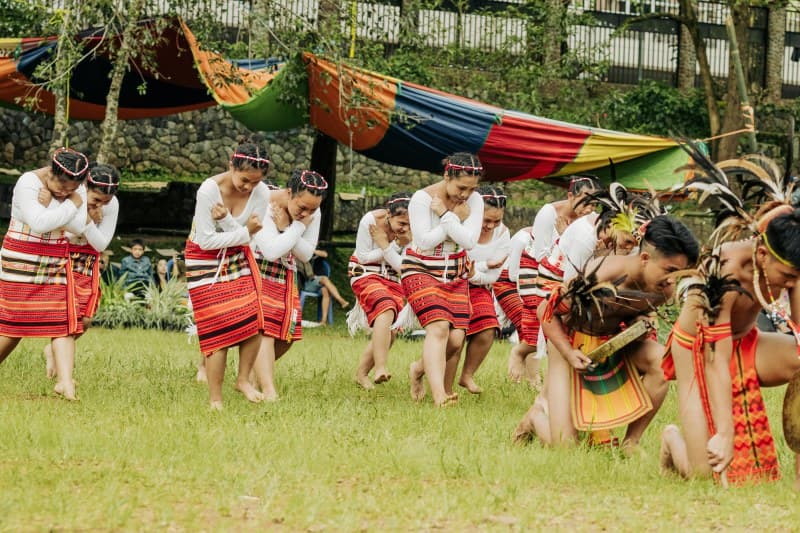
| Interacting | Taking photos of locals without asking | Joining a community festival and dancing with residents |
Common Myths About Cultural Immersion
Let’s bust a few myths that hold travelers back:
Myth 1: You need to speak the local language fluently
Not true! Lila only knew a few Spanish phrases, but she connected with the mole grandma through gestures and shared joy. Basic phrases plus a willingness to listen go a long way.
Myth 2: Immersion requires a lot of time or money
You can immerse in a day: visit a local market, try a street food dish, and ask the vendor about its history. It’s about intention, not budget.
A Classic Wisdom on Travel & Connection
“Travel is fatal to prejudice, bigotry, and narrow-mindedness.” — Mark Twain
Twain’s words ring true: when you immerse yourself in another culture, you see the world through someone else’s eyes. Preconceptions melt away, and you realize how much we all share.
FAQ: Your Cultural Immersion Questions Answered
Q: Is it okay to ask locals about their traditions?
A: Yes—most people love sharing their culture! Just be polite: start with a smile and a “May I ask…” For example, if you see someone making a traditional craft, ask how they learned the skill.
Final Thoughts
Cultural immersion isn’t about checking boxes. It’s about slowing down, being curious, and opening your heart to new experiences. Next time you travel, skip the tourist traps and try one of these practices—you’ll come home with stories, not just photos.