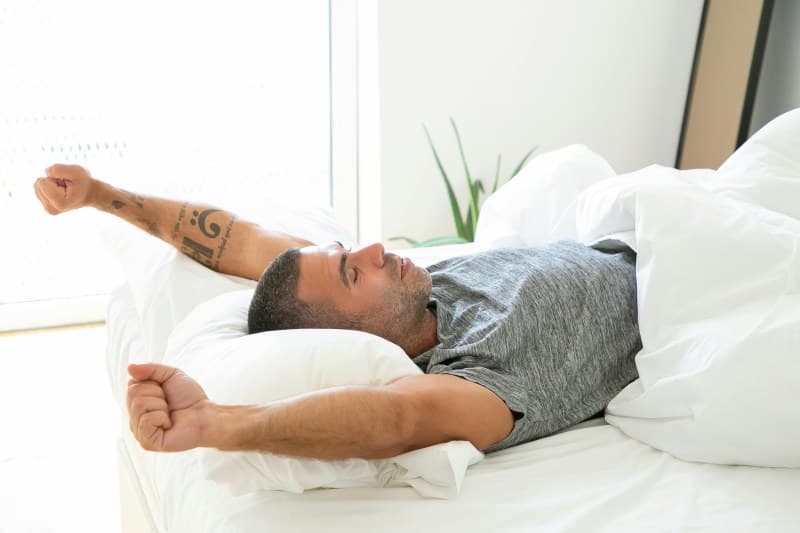
Sarah, a 32-year-old teacher, hits the hay at 10 PM every night and wakes up at 6 AM—exactly 8 hours of sleep. But she still slaps the snooze button three times, chugs a latte by 7, and fights the urge to nap by noon. She’s confused: why isn’t 8 hours enough? If this sounds like you, you’re not alone. Let’s break down the four most common reasons you’re waking up tired, even with a full night’s rest.
4 Key Reasons You’re Tired After 8 Hours of Sleep
1. You Woke Up Mid-Sleep Cycle
Your sleep isn’t a single block—it’s a series of 90-minute cycles, moving from light sleep to deep sleep and back. Waking up in the middle of a deep sleep cycle (instead of at the end) leaves you feeling groggy and disoriented. For example, if Sarah went to bed at 10 PM, her cycles would end at 7:30 AM—but she wakes at 6, cutting a cycle short.
2. Dehydration Disrupts Your Morning
You lose 1-2 liters of water overnight through breathing, sweating, and even dreaming. Dehydration slows down your metabolism and reduces blood flow to your brain, making you feel tired. Sarah skips water in the morning, reaching for coffee instead—this only worsens dehydration.
3. Your Bedroom Is Too Warm or Bright
Your body needs to drop its temperature by 1-2 degrees to fall asleep and stay asleep. A room over 67°F (19°C) makes this hard. Bright light (from phone screens, street lamps, or even a crack in the curtains) suppresses melatonin, the sleep hormone. Sarah keeps her bedroom at 72°F and leaves her phone on the nightstand—both mistakes.
4. You Ate or Drank Too Close to Bed
Heavy meals, alcohol, or caffeine within 2-3 hours of bed disrupt deep sleep. Alcohol might make you drowsy, but it breaks up REM sleep (the restorative phase). Sarah sometimes has a glass of wine before bed and a late-night snack—this explains her fragmented sleep.
Quick Fixes at a Glance
Here’s a simple table to match each reason with its solution:
| Reason | Key Cause | Quick Fix |
|---|---|---|
| Mid-cycle wake-up | Waking during deep sleep (90-minute cycle) | Use a sleep calculator to time bedtime (e.g., if you wake at 6 AM, go to bed at 9:30 PM or 11 PM) |
| Dehydration | Losing water overnight via breathing/sweating | Drink a glass of water first thing (add lemon for flavor) |
| Unideal bedroom conditions | Room too warm or bright | Use blackout curtains and set thermostat to 60-67°F |
| Late-night eating/drinking | Heavy meals, alcohol, or caffeine disrupt sleep | Avoid these 2-3 hours before bed; opt for a light snack (like a banana) if hungry |
A Classic Take on Sleep
“A good laugh and a long sleep are the best cures in the doctor's book.” — Irish Proverb
This proverb reminds us that sleep isn’t just about the number of hours—it’s about letting our bodies and minds recover. Sarah started prioritizing these two things: she watches a funny show before bed (to laugh) and adjusts her sleep schedule to align with her cycles (for long, restful sleep).
FAQ: Your Sleep Questions Answered
Q: Is 8 hours the magic number for everyone?
A: No. The National Sleep Foundation recommends 7-9 hours for adults, but individual needs vary. Some people thrive on 7 hours, others need 9. The best way to know is to track how you feel during the day—if you’re alert and focused, you’re getting enough.
Small changes can make a big difference. Sarah started going to bed at 9:30 PM (to align with her cycles), drinking a glass of water first thing, and keeping her bedroom cool and dark. Within a week, she stopped hitting snooze and felt energized all day. Give these fixes a try—you might be surprised at how much better you feel.