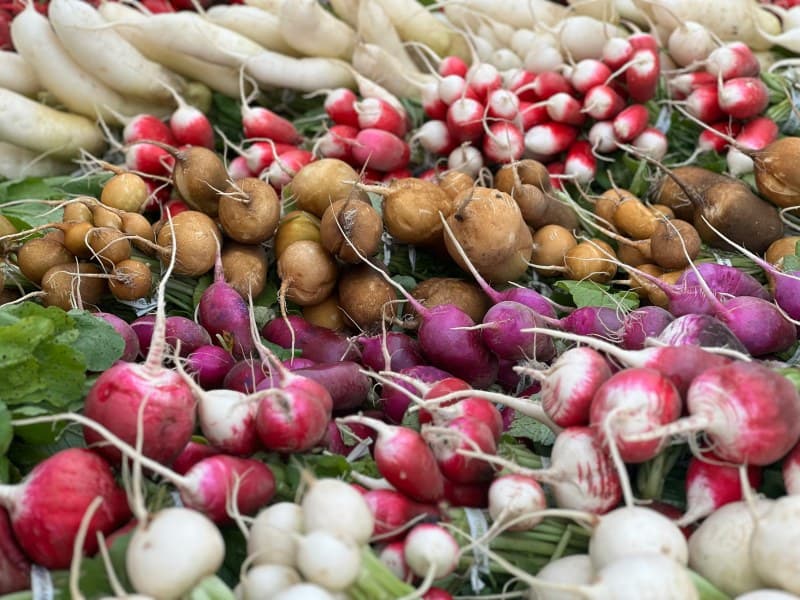
Last week, I bought a pint of strawberries and a bag of spinach, excited to make smoothies all week. By Wednesday, the strawberries were fuzzy, and the spinach was wilted—total bummer. I know I’m not alone; 30-40% of food in the U.S. goes to waste, and produce is a big part of that. So I dug into the best storage methods to keep my greens and fruits fresh longer.
4 Key Storage Methods to Try
Not all produce is the same—some need moisture, others need air. Here’s a breakdown of the most effective methods:
| Storage Method | Best For | Pros | Cons |
|---|---|---|---|
| High-Humidity Crisper | Leafy greens, carrots, cucumbers | Retains moisture, prevents wilting | Can cause mold if too damp (wrap with paper towels) |
| Low-Humidity Crisper | Apples, grapes, peppers | Reduces mold growth, extends shelf life | May dry out delicate items |
| Room Temperature | Bananas, tomatoes, avocados | Enhances flavor, allows ripening | Spreads ethylene gas (keep separate) |
| Frozen | Berries, broccoli, mangoes | Longest shelf life, preserves nutrients | Changes texture (best for cooking/baking) |
Common Myths Debunked
Let’s set the record straight on some popular produce storage myths:
- Myth 1: All produce needs refrigeration. Tomatoes lose flavor and texture when cold—keep them on the counter!
- Myth 2: Washing before storage is good. It adds moisture, which leads to mold. Wash right before eating.
- Myth 3: Ethylene gas is always bad. It’s great for ripening avocados—put them in a paper bag with an apple to speed things up.
“Waste not, want not.” — Traditional Proverb
This age-old wisdom reminds us that small efforts (like using the right storage method) can prevent unnecessary waste, saving both money and resources.
FAQ: Your Produce Storage Questions Answered
Q: Can I store all fruits together?
A: No! Ethylene producers (apples, bananas, peaches) speed up ripening in sensitive produce (berries, leafy greens). Keep them in separate drawers or containers.
Q: How do I keep leafy greens fresh longer?
A: Wash, dry thoroughly (use a salad spinner), then store in an airtight container with a paper towel to absorb excess moisture. This can extend their life by 3-5 days.
By using these methods, you’ll cut down on food waste and get more out of your grocery runs. Give them a try—your wallet (and the planet) will thank you!