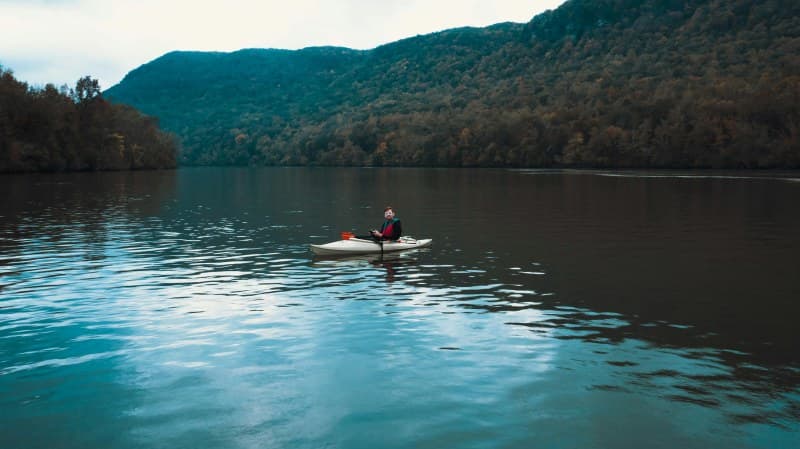
My first solo trip to Lisbon still feels like yesterday. I booked a $20-a-night hostel bed, took the iconic tram 28 for $3, and ate pastel de nata from a street vendor for $1 each. When I got lost in the winding alleys of Alfama, a local grandmother invited me into her kitchen for a cup of mint tea. That trip didn’t just show me new sights—it taught me I could navigate the world on my own terms. Solo travel has a way of making you feel invincible, but it doesn’t have to break the bank.
Why Solo Travel Feels Empowering
Solo travel is more than just a vacation—it’s a crash course in self-reliance. You choose where to eat, what to see, and when to slow down. No compromises, no arguments about directions. When you figure out how to buy a train ticket in a foreign language or find your way back to your hostel after dark, you realize you’re capable of more than you thought. It’s also a chance to meet people you wouldn’t otherwise—hostel roommates, local shopkeepers, fellow solo travelers who share your sense of adventure.
"The world is a book, and those who do not travel read only one page." — St. Augustine
This quote hits home for solo travelers. We’re not just reading the book—we’re writing our own chapters, one unplanned detour or unexpected conversation at a time.
5 Budget-Friendly Ways to Start Solo Travel
You don’t need a six-figure salary to travel alone. Here are five ways to make it accessible:
- Stay in hostels or homestays: Hostels offer cheap beds (often $10–$30 a night) and built-in social scenes. Homestays (like Airbnb’s shared rooms) let you live like a local for less.
- Use public transport: Skip taxis—opt for buses, trams, or metros. Many cities have day passes that cost less than $10.
- Eat street food: Street vendors serve delicious, authentic meals for a fraction of restaurant prices. Think $2 tacos in Mexico City or $1 pad thai in Bangkok.
- Travel off-peak: Flights and accommodation are cheaper when tourist seasons are over. For example, Lisbon is 30% cheaper in January than in July.
- Plan free activities: Most cities have free walking tours, parks, museums (on certain days), and street performances. You don’t have to spend money to have fun.
Affordable Solo Destinations: A Quick Comparison
Not sure where to start? Here’s how three popular solo-friendly destinations stack up for budget travelers:
| Destination | Average Daily Cost (USD) | Key Budget Experiences | Ease of Navigation |
|---|---|---|---|
| Lisbon, Portugal | 50–70 | Free walking tours, street pastel de nata, tram rides | High (English widely spoken, clear public transport) |
| Chiang Mai, Thailand | 30–50 | Temple visits, night markets, cooking classes | Medium (some English, tuk-tuks easy to negotiate) |
| Mexico City, Mexico | 40–60 | Free museum days, street tacos, park strolls | High (extensive metro system, English in tourist areas) |
Common Question: Is Solo Travel Safe for Beginners?
Q: I’ve never traveled alone before—should I worry about safety?
A: Safety is a valid concern, but with small precautions, solo travel is safe for beginners. Start with a destination known for being solo-friendly (like the ones above). Share your daily itinerary with a friend or family member. Stick to well-lit areas at night, and trust your gut if a situation feels off. Most people are happy to help a solo traveler—you’ll be surprised how welcoming locals can be.
Final Thoughts
Solo travel isn’t for everyone, but if you’re curious, don’t let budget or fear hold you back. Even a short trip to a nearby city can be a life-changing experience. As I learned in Lisbon, the best parts of solo travel are the unplanned moments—the ones that make you feel alive and capable. So pack a bag, book a ticket, and see where the road takes you.