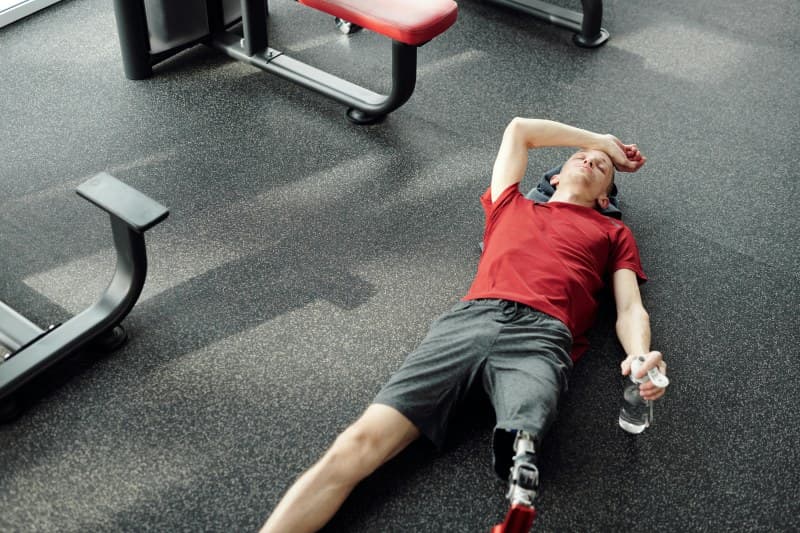
Let’s be real—nothing kills the joy of a great workout like waking up the next day with legs so stiff you can barely climb stairs. Take Sarah, a 32-year-old who runs three times a week for fun. After a longer-than-usual 5K, she crashed on the couch expecting rest to fix her soreness. Instead, she spent three days wincing through every step. Sound familiar? If you’re a casual athlete looking for simple, effective ways to bounce back faster, you’re in the right place.
“An ounce of prevention is worth a pound of cure.” — Benjamin Franklin. This old wisdom hits home for recovery: Taking small steps after your workout can save you days of discomfort.
Two Science-Backed Ways to Beat Soreness
1. Active Recovery 💪
Active recovery isn’t about pushing harder—it’s about light movement that gets blood flowing without straining your muscles. Think a 20-minute walk, gentle yoga, or a slow swim. When Sarah tried this after her next long run, she noticed her legs felt looser by the evening. Why does it work? Blood carries oxygen and nutrients to sore muscles, helping them repair faster than if you just sit still.
2. Passive Recovery 🛌
Passive recovery is all about giving your body time to rest. This includes sleeping 7-9 hours, using ice packs on sore areas, or rolling out tight muscles with a foam roller. Sarah learned that combining a short walk with 10 minutes of foam rolling on her quads and calves cut her soreness down to two days instead of three. Passive recovery is key for letting your muscles rebuild at their own pace.
Wondering which method is right for you? Here’s a quick comparison:
| Type | What It Involves | Pros | Cons | Best For |
|---|---|---|---|---|
| Active Recovery | Light walking, yoga, swimming | Boosts blood flow, reduces stiffness quickly | Requires some energy (not ideal if you’re exhausted) | Post-cardio workouts (running, cycling) |
| Passive Recovery | Sleep, ice packs, foam rolling | No effort needed, great for muscle repair | May take longer to reduce soreness | Post-strength training (weightlifting, bodyweight exercises) |
Common Recovery Myths Debunked
Myth: You have to rest completely to recover. Fact: Active recovery is often more effective than total rest for reducing soreness. Myth: Stretching before a workout prevents soreness. Fact: Stretching after a workout (as part of active recovery) is better for reducing stiffness.
FAQ: Your Recovery Questions Answered
Q: Can I combine active and passive recovery?
A: Absolutely! For example, do a 15-minute walk (active) then use a foam roller (passive) to target tight spots. This combo gives you the best of both worlds.
Q: How long should I do active recovery?
A: 15-30 minutes is enough for most casual athletes. Listen to your body—if it hurts, stop.
At the end of the day, the best recovery method is the one you’ll stick to. Whether you choose a gentle walk or a cozy nap, taking time to recover will keep you coming back to your favorite sports week after week.