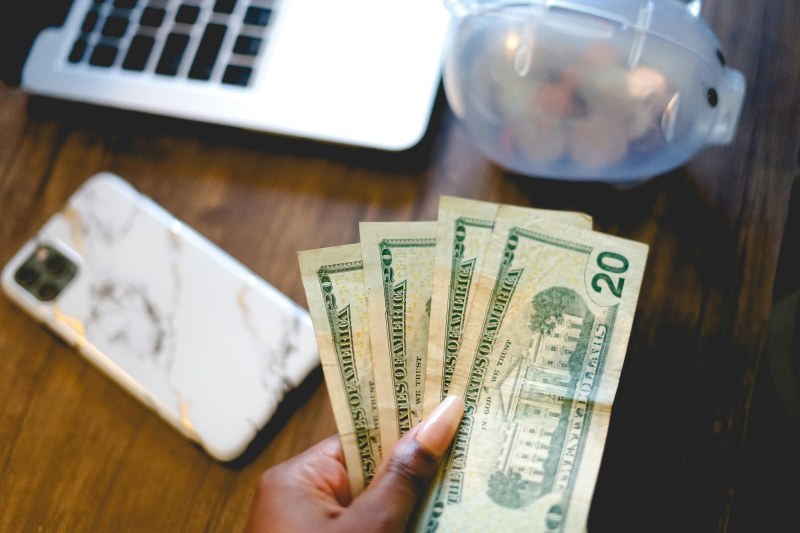
Let’s start with Sarah’s story: Every afternoon, she’d grab a $3 soda from the office vending machine. One day, she decided to skip it and put the cash in a mason jar instead. For weeks, the jar looked almost empty—she barely noticed the change. But after three months, she opened it and found $270. Enough for a new hiking backpack and a weekend trip to a nearby lake. That’s the magic of small savings: they’re easy to overlook until they add up.
Why Small Savings Feel Invisible 💡
There are two main reasons small daily savings don’t feel like they matter. First, hyperbolic discounting: our brains value immediate rewards (like that soda) more than future ones (like a trip). Second, lack of feedback: you don’t see the growth every day. $3 here or $5 there feels trivial—until you step back and look at the bigger picture.
5 Ways to Track Small Savings & Stay Motivated
To turn invisible savings into something you can see and feel, try one of these methods. Here’s how they compare:
| Method | Ease of Use | Cost | Motivation Boost |
|---|---|---|---|
| 📝 Pen-and-paper journal | High (write down daily savings) | $0 | Medium (tangible record) |
| 📱 Savings app (e.g., Mint) | Medium (link accounts, set goals) | Free/Paid ($5–$15/month) | High (automatic updates) |
| 🥫 Jar system | High (drop cash in daily) | $0 | High (visual growth) |
| 📊 Excel spreadsheet | Medium (customize formulas) | $0 | Medium (data-driven) |
| 🖼️ Wall chart | High (color in a square daily) | $5 (supplies) | Very High (constant reminder) |
For example, the wall chart method: Draw a grid of 365 squares (one for each day). Every time you save, color in a square. Watching the grid fill up is a powerful visual cue to keep going.
A Classic Reminder About Small Gains
“Little drops of water, little grains of sand, make the mighty ocean and the pleasant land.” — Julia Carney
This 19th-century poem sums it up perfectly. Every $1 saved is a drop that contributes to your financial ocean—whether that’s an emergency fund, a vacation, or a down payment.
FAQ: Common Questions About Small Daily Savings
Q: Is it worth saving $1 a day when I have big bills to pay?
A: Yes! Even $1/day adds up to $365 a year. With 5% annual interest, that becomes ~$4,500 over 10 years. It’s not just about the money—it’s about building a habit that will help you handle bigger financial goals later.
Final Thought: Start Small, Stay Consistent
Sarah’s story isn’t about getting rich quick. It’s about how small, daily choices can lead to meaningful rewards. The key is to pick a tracking method that fits your lifestyle and stick with it. Whether you use a jar, an app, or a wall chart, the goal is to make your savings visible. Because when you can see your progress, you’re more likely to keep going.