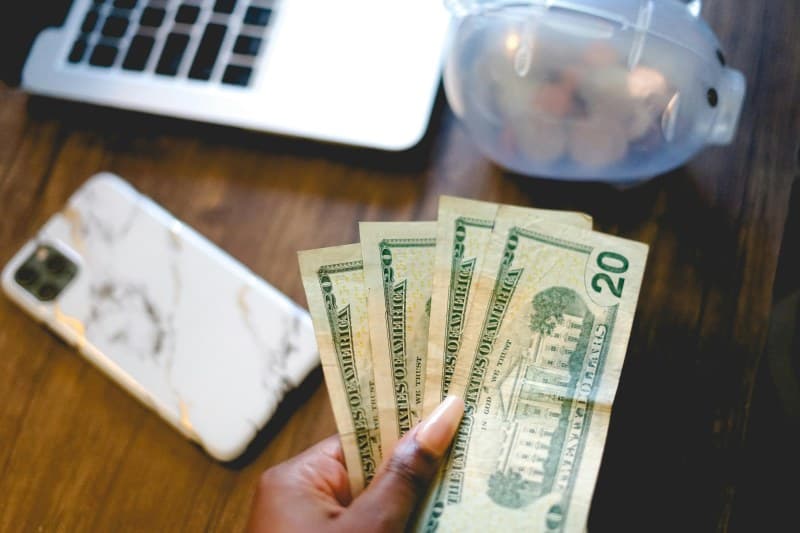
Ever stared at your bank account at the end of the month and thought, ‘I wish I could save more, but I just don’t have the time’? You’re not alone. Between work deadlines, family commitments, and the endless to-do list, building a savings habit can feel like another chore. But what if saving didn’t require hours of budgeting or big lifestyle changes? Let’s break down 6 simple ways to save even when time is tight.
The 6 Ways to Build a Savings Habit (Even When Short on Time)
Each method below is designed to take minimal time—most take 5 minutes or less to set up. Let’s compare them side by side:
| Method | Effort Level | Pros | Cons |
|---|---|---|---|
| Auto-Transfer Micro-Savings | Low (1-time setup) | Set it and forget it; builds consistency | May need adjustment if income fluctuates |
| Round-Up Apps | Low (app setup) | Uses small, unnoticeable amounts | Some apps charge fees; depends on spending habits |
| 5-Minute Monthly Budget Check | Medium (monthly check) | Identifies easy cuts; flexible | Requires monthly discipline |
| Windfall Allocation | Low (1-time decision) | Uses unexpected money; no regular effort | Depends on receiving windfalls |
| No-Spend Challenge (1 Day/Week) | Medium (weekly discipline) | Builds awareness; easy to implement | May feel restrictive on busy days |
| Work Perk Utilization | Low (1-time setup) | Often includes employer matching (free money) | Limited to workplace benefits |
Why Consistency Beats Perfection (A Classic Quote & Story)
Building a savings habit isn’t about making huge sacrifices—it’s about small, consistent actions. As T.T. Munger once said:
“The habit of saving is itself an education; it fosters every virtue, teaches self-denial, cultivates the sense of order, trains to forethought, and so broadens the mind.”
Take Sarah, a busy graphic designer who worked 60-hour weeks. She used to think saving was impossible until she tried auto-transferring $5 from her checking to savings every payday. At first, it felt like nothing—she barely noticed the missing $5. But after 3 months, she increased it to $10. By the end of the year, she had $600 plus interest, which she used to fix her car without taking out a loan. “It wasn’t about how much I saved,” she said, “it was about making it a habit that didn’t take any of my time.”
FAQ: Common Questions About Saving When Busy
Q: I don’t have any extra money to save—how can I start?
A: Look for hidden small expenses. For example, if you buy a $3 coffee every day, switch to homemade ($1/day) and save $2/day. That’s $60/month, which adds up to $720/year. Even tiny changes can make a big difference over time.
You don’t need to be a financial expert or have hours of free time to build a savings habit. Pick one method from the list above—auto-transfer micro-savings is a great starting point—and try it for a month. Remember: The best savings plan is the one you can stick to. Start small, stay consistent, and watch your savings grow.