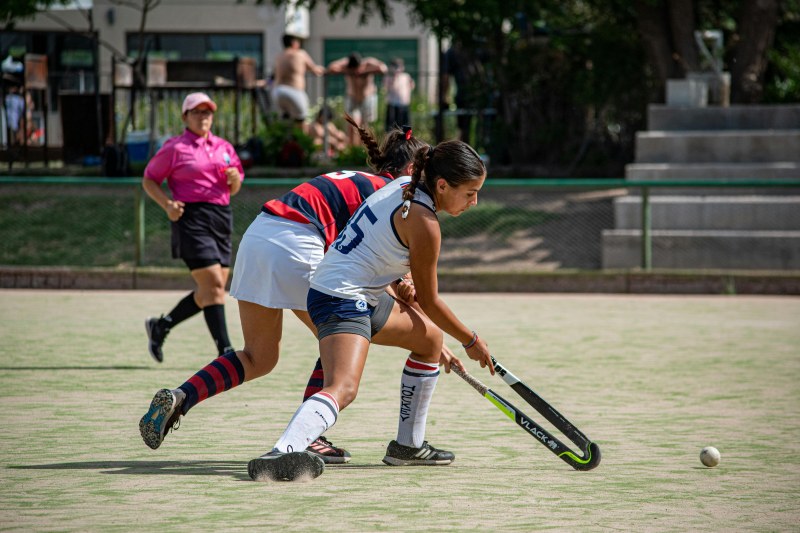
Imagine 16-year-old Mia, a forward on her high school soccer team, pacing the sidelines before the district final. Her hands are clammy, her heart’s racing, and she can’t stop replaying the last minute of their semi-final loss in her head. She’s not alone—pre-game jitters are a universal experience for athletes, from weekend warriors to pro players. But what if those jitters aren’t something to fight? What if they’re a superpower in disguise?
Why do pre-game jitters happen?
Jitters are your body’s natural “fight-or-flight” response kicking in. When you’re about to compete, your brain releases adrenaline and cortisol—hormones that boost your heart rate, sharpen your focus, and get your muscles ready to move. The problem? If you see these feelings as “nervousness,” they can spiral into self-doubt. But if you reframe them as “excitement,” they become fuel.
2 ways to turn jitters into fuel
1. Reframe the feeling 💡
Instead of saying, “I’m so nervous,” try, “I’m excited to play my best.” This simple shift changes how your brain processes the physical sensations. A study from Harvard Business School found that reframing anxiety as excitement improves performance in high-pressure situations.
“Pressure is a privilege.” — Billie Jean King
Billie Jean King, one of the greatest tennis players of all time, knew this well. She turned the pressure of competing in the “Battle of the Sexes” into motivation, and her reframe helped her win that iconic match.
2. Stick to a micro-routine 🧘
A small, consistent pre-game ritual can ground you and turn jitters into focus. For Mia, it was bouncing her soccer ball 10 times while visualizing her first shot on goal. For a basketball player, it might be dribbling 5 times with each hand before stepping onto the court. These routines signal to your brain that it’s time to perform.
Unmanaged Jitters vs. Channeled Jitters: A Quick Comparison
Here’s how unmanaged jitters stack up against channeled ones:
| Aspect | Unmanaged Jitters | Channeled Jitters |
|---|---|---|
| Physical Symptoms | Shaking, shortness of breath, nausea | Steady pulse, alert muscles, focused breathing |
| Mental State | Self-doubt, overthinking past mistakes | Confidence, present-moment focus |
| Performance Impact | Missed shots, slow reaction time | Sharp reflexes, bold plays, better decision-making |
FAQ: Common question about pre-game jitters
Q: What if my jitters are so bad I can’t focus?
A: Try the 5-4-3-2-1 grounding technique. Name 5 things you see (like the grass, your teammates’ jerseys), 4 things you feel (your cleats, the wind), 3 things you hear (the crowd, the whistle), 2 things you smell (grass, sweat), and 1 thing you taste (gum, water). This pulls you out of your head and into the present.
Pre-game jitters aren’t a sign of weakness—they’re a sign you care. With these two simple strategies, you can turn those butterflies into a winning edge. Next time you’re on the sidelines, remember: the same energy that makes you nervous can make you unstoppable.