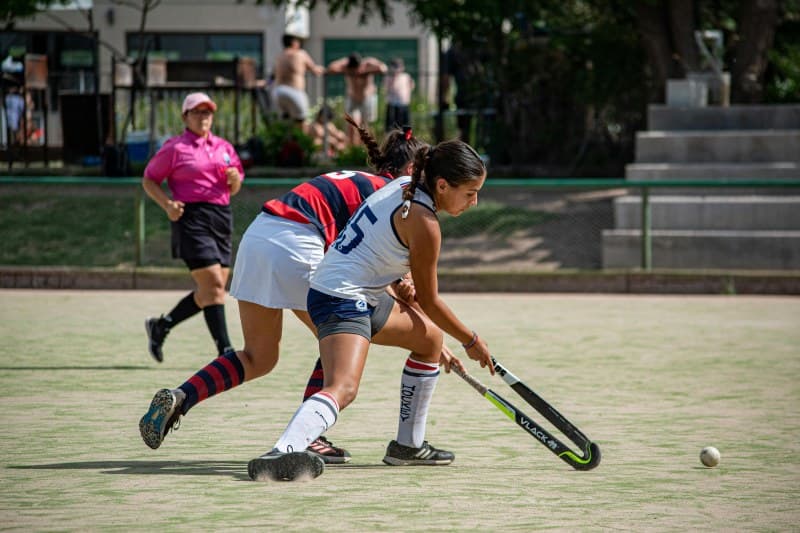
Let’s start with Sarah, a casual 5K runner who used to skip pre-workout water. She’d hit the 2-mile mark and feel her calves cramp up, slowing her down every time. After learning about intentional hydration, she started sipping a small sports drink an hour before races—and those cramps vanished. Her time improved by 3 minutes in her next event. That’s the power of understanding how sports hydration works.
The Two Core Hydration Approaches for Athletes
Hydration isn’t one-size-fits-all. For most athletes, there are two key times to focus on fluid intake: before and after activity. Here’s how they stack up:
| Approach | Timing | Key Goals | Recommended Fluids | Pros | Cons |
|---|---|---|---|---|---|
| Pre-Workout | 1–2 hours before | Top up fluid levels; prevent early dehydration | Water + small electrolytes (e.g., coconut water, low-sugar sports drink) | Reduces cramping; boosts initial performance | Overhydration risk if done too close to start |
| Post-Workout | Within 30 minutes of finishing | Replace lost fluids/electrolytes; aid recovery | Water + electrolytes + carbs (e.g., chocolate milk, recovery drink) | Speeds muscle repair; restores energy | Easy to overconsume calories if not mindful |
Busting Common Hydration Myths
Let’s clear up some misconceptions that might be holding you back:
- Myth 1: You need 8 glasses of water a day for sports.
Reality: This is a general guideline. Athletes in hot climates or doing long workouts may need 10–12 glasses, while those in cooler weather might need less. Listen to your body. - Myth 2: Only water works for hydration.
Reality: For workouts longer than 60 minutes, electrolytes (sodium, potassium) are essential. They replace what’s lost in sweat and help your body hold onto water.
Pro Tips to Nail Your Hydration Game
Here are three simple ways to make hydration part of your routine:
- Test your fluid loss: Weigh yourself before and after a practice session. For every pound lost, drink 16–20 ounces of fluid to replace it.
- Sip, don’t chug: Drinking large amounts at once can cause stomach upset. Take small sips every 15–20 minutes during workouts.
- Add electrolytes for long sessions: If you’re exercising for over an hour, mix a pinch of salt or an electrolyte tablet into your water.
“By failing to prepare, you are preparing to fail.” — Benjamin Franklin
This quote rings true for hydration. Skipping pre-workout fluids is like showing up to a game without your gear—you’re setting yourself up for unnecessary struggle. Taking 5 minutes to hydrate before activity can make all the difference.
Quick Q&A
Q: How do I know if I’m dehydrated during a workout?
A: Look for signs like dry mouth, fatigue, muscle cramps, or dark yellow urine (pale yellow is the ideal color). If you notice these, slow down and sip fluids immediately—don’t wait until you’re thirsty (thirst is a late sign of dehydration).
Whether you’re a casual runner or a weekend warrior, getting hydration right can boost your performance and keep you feeling your best. Start with the two core approaches, avoid the myths, and adjust as you learn what works for your body.