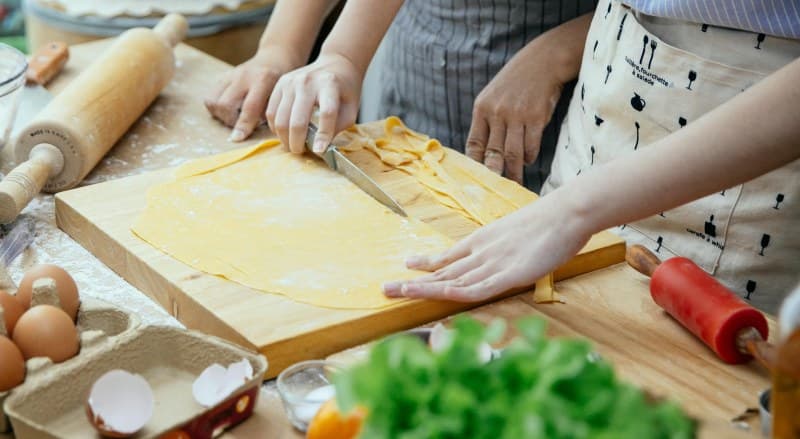
I still remember the first time I made pasta with my nonna. She kneaded the dough for 10 minutes straight, her hands dusted with flour, and said, “Fresh pasta isn’t just food—it’s love you can roll.” The result? Silky, chewy tagliatelle that soaked up tomato sauce like a sponge, nothing like the dry, brittle boxed kind I’d grown up with. Why the difference? Let’s break down the 7 key factors that make homemade pasta a cut above.
7 Factors That Set Homemade Pasta Apart
To understand the gap between homemade and store-bought, let’s compare the core elements side by side:
| Factor | Homemade Pasta | Store-Bought Dry Pasta |
|---|---|---|
| Dough Hydration | Controlled (usually 30-35% water), creating a tender, elastic texture. | Low hydration (12-14%), leading to a firm, brittle bite. |
| Egg Quality | Uses fresh, whole eggs (or egg yolks) for richness and golden color. | Often uses dried egg powder or no eggs at all. |
| Flour Type | Uses high-protein flour (like 00 or semolina) for structure and silkiness. | May use lower-quality flour blends for shelf stability. |
| Rolling Method | Thinly rolled (by hand or machine) for even cooking and sauce absorption. | Extruded through metal dies, which can create a denser texture. |
| Resting Time | Dough rests to relax gluten, making it easier to roll and preventing shrinkage. | No resting step—dough is processed quickly for mass production. |
| Cooking Time | Cooks in 2-3 minutes (fresh), retaining nutrients and texture. | Takes 8-12 minutes (dry), leading to potential overcooking. |
| Freshness | Made and cooked the same day, with no preservatives. | Stored for months with preservatives to extend shelf life. |
Pro Tips to Nail Homemade Pasta
Now that you know the why, here are a few easy tips to make your homemade pasta shine:
- 💡 Use 00 flour (a fine Italian flour) for the silkiest texture—if you can’t find it, all-purpose works too.
- 💡 Rest your dough for at least 30 minutes (or up to 2 hours) in the fridge. This relaxes the gluten so rolling is a breeze.
- 💡 Cook fresh pasta in a large pot of salted water (like ocean-salty) for just 2-3 minutes—taste it to check doneness.
“The secret of good cooking is to use fresh ingredients.” — Julia Child
This quote sums it up perfectly. Homemade pasta relies on fresh, simple ingredients, which is why it tastes so much more vibrant than store-bought. My nonna always used eggs from her backyard chickens and flour from a local mill—small choices that made a big difference.
FAQ: Common Pasta Making Questions
Q: Do I need a pasta machine to make good homemade pasta?
A: No! You can use a rolling pin to roll the dough thin (aim for 1/8-inch thickness). It takes a bit more time, but the result is just as delicious. My nonna never owned a machine—she used a wooden rolling pin and a sharp knife to cut tagliatelle.
Q: Can I freeze homemade pasta?
A: Yes! After rolling and cutting, lay the pasta on a baking sheet dusted with flour, freeze until solid, then transfer to a bag. It will keep for up to 3 months. Cook frozen pasta directly in boiling water (add 1 minute to the cooking time).
Final Thoughts
Making homemade pasta isn’t about being perfect—it’s about the process. Even if your first batch is a little lumpy or uneven, the taste will be far better than anything from a box. Next time you’re craving pasta, grab some flour, eggs, and a rolling pin. You might just create a memory (and a meal) that lasts a lifetime.